Home Blog Page 23

Datawrkz Expands Global Footprint with Acquisition of UK-Based Space & Time

Datawrkz, a subsidiary of Nazara Technologies, has acquired a full 100% stake in Space & Time, a UK-based growth marketing agency, for around Rs 52.3 crore (approximately $6.2 million) through a mix of cash and stock.

This acquisition supports Datawrkz’s strategic goal to grow its influence in Europe and North America, strengthening its role in the global digital advertising industry. The synergy between Space & Time’s expertise in growth marketing, media, and technology and Datawrkz’s programmatic advertising capabilities promises to enhance digital advertising reach and impact, particularly within the European and UK markets.

With this acquisition, Space & Time will leverage Datawrkz’s advanced advertising technology, enabling more effective and efficient campaigns while opening new growth avenues in European and North American markets.

Established in 2013 by Senthil Govindan, Datawrkz focuses on optimized digital advertising to drive user engagement and revenue growth, with offices located in the US, India, and Singapore.

Since its founding in 2000, Space & Time has developed a robust client base across various industries, offering tailored media and technology services. This acquisition represents a pivotal step for both Datawrkz and Nazara Technologies as they expand their influence in the global digital advertising space.

4o

MyGate Hits Rs 110 Crore Revenue in FY24, Reports 82% Drop in Losses

Community management app MyGate has reported substantial growth in FY24, with a 35% year-on-year increase in operating revenue and a significant 82% reduction in losses.

The company’s operating income rose to Rs 96.2 crore, up from Rs 71.1 crore in FY23, according to filings with the RoC. The majority of MyGate’s income came from brand advertising, supplemented by subscriptions to its SaaS product. Additionally, Rs 12.9 crore in other income pushed total revenue to Rs 109.1 crore for FY24.

MyGate’s app, which facilitates streamlined community management and security functions, allows residents to control visitor access, connect with neighbors, monitor domestic help, and manage maintenance payments. In September 2024, the app expanded with the addition of smart locks, moving towards an integrated platform that combines consumer devices for enhanced security and convenience.

On the expense front, MyGate saw a 12.8% reduction in total operating expenses, which fell to Rs 129.5 crore from Rs 148.5 crore in FY23. Employee benefits experienced a notable 16.5% reduction, totaling Rs 66.4 crore, while material costs decreased by 27.3% to Rs 1.6 crore. Other expenses also saw a decrease, ending at Rs 61.5 crore compared to Rs 66.7 crore the previous year. This concerted cost management enabled MyGate to reduce its net loss by 82.4%, bringing it down to Rs 39.8 crore from the previous year’s Rs 226.4 crore.

Despite achieving the Rs 100 crore revenue milestone without additional funding in FY24, MyGate previously secured $56 million in Series B funding in 2019, followed by a $12 million investment from Urban Company and Acko in 2022.

Over the last three years, MyGate’s revenue has grown from Rs 8 crore in FY21 to Rs 109 crore in FY24, largely due to a strategic shift from product distribution to revenue-generating initiatives, according to CEO Abhishek Kumar. With plans for continued growth, MyGate anticipates hitting Rs 160 crore in revenue for FY25, driven by increased subscription revenues, strong brand engagement, and its foray into smart home devices.

The company also introduced an ESOP buyback for over 50 employees and announced Kumar’s promotion to CEO. As MyGate continues to pursue profitability, it faces the challenge of appealing to value-conscious Indian consumers while evolving its offerings. The recent venture into smart home security devices like smart locks aligns well with its community-focused security services, positioning MyGate at the forefront of the modern security market.

GroupM Secures $250 Million Global Media Deal with Honor, Setting Strategy for 2025-2028

GroupM, part of WPP, has won the global media account of smartphone leader Honor, valued at $250 million, following a highly competitive pitch. This new partnership entrusts GroupM with managing Honor’s global media strategy and media buying across both China and international markets from 2025 through 2028.

In a notable shift, Honor has transitioned its China-based media planning from Publicis to GroupM, further deepening the collaboration between the two entities that first began in 2014.

Leveraging WPP’s extensive global network and advanced AI-driven data technology, GroupM aims to elevate Honor’s marketing reach, enhancing media performance and strategic effectiveness to support Honor’s growth in the dynamic smartphone industry.

Ninjacart Reaches Rs 2002 Cr Revenue Milestone in FY24 with Strong Growth and Reduced Losses

In FY24, agritech company Ninjacart achieved an impressive 74% increase in gross revenue, reaching Rs 2,002.7 crore compared to Rs 1,153.4 crore in FY23. The company also reported a 20% reduction in adjusted losses, demonstrating significant strides toward profitability. This adjusted figure excludes certain tech and infrastructure costs, highlighting Ninjacart’s focus on streamlined operations.

The company’s premium product lines were instrumental in driving both volume growth and enhanced gross margins. As a digital marketplace that connects farmers, traders, and retailers, Ninjacart tackles supply chain inefficiencies through targeted solutions like Ninja Mandi for traders and Ninja Kisaan for farmers. Collaborations with local traders and retailers further strengthen its reach and reinforce support for local commerce.

Although specific expenses weren’t disclosed, Ninjacart noted advancements in operational efficiency, including AI-driven quality assessments and dynamic pricing algorithms, which helped manage supply chain expenses more effectively. This allowed Ninjacart to lower adjusted losses to Rs 259.6 crore in FY24 from Rs 326.3 crore in FY23, showcasing the company’s focus on cost optimization and profitability.

Expanding beyond India, Ninjacart is exploring potential applications for its supply chain model in international markets, marked by a recent investment in Mayani, a Philippines-based agri-platform, in April.

Ninjacart has garnered a total of Rs 2172 crore in funding across multiple rounds, with Tiger Global as its largest backer, followed closely by Walmart, Accel Partners, and Flipkart, as reported by startup data platform TheKredible.

Meesho’s Massive Turnaround: Adjusted Losses Drop 97% to ₹53 Crore in FY24

0

Meesho, a SoftBank-backed e-commerce platform, reported a significant reduction in its adjusted losses, down by 97% to ₹53 crore for the fiscal year ending March 2024. Following its announcement of profitability in June 2023, Meesho is on a promising path toward full-year profitability, projected for FY25 or FY26.

In FY24, Meesho’s operating revenue surged 33% year-on-year to reach ₹7,615 crore, up from ₹5,735 crore in FY23. This growth was primarily driven by a 36% rise in order volume, with the categories of home & kitchen, beauty & personal care, and baby essentials leading the demand.

Although specific expense figures were not disclosed, Meesho credited its cost efficiencies to organic growth and streamlined logistics through its proprietary service, Valmo Logistics, launched in February. This strategic shift has helped to control overall operational costs significantly.

The adjusted net losses saw a dramatic reduction, shrinking to ₹53 crore from ₹1,569 crore in FY23. Notably, the company clarified that share-based compensation expenses were excluded from this adjusted figure. Meesho also concluded a $25 million ESOP buyback program at the end of FY24, adding to its financial maneuvers for enhanced employee engagement.

Positioned as India’s third-largest horizontal e-commerce platform, Meesho has achieved over 14.5 crore unique annual transactions and more than 50 crore app downloads, establishing itself as the country’s most downloaded shopping app. Competing with giants like Flipkart and Amazon, Meesho is strengthening its foothold in India’s e-commerce landscape.

In a recent funding boost, Meesho raised $275 million in May 2024, part of a larger funding initiative. The company is also exploring the possibility of relocating its domicile to India, potentially setting the stage for a domestic IPO in the near future.

4o

Vridhi Home Finance Secures ₹310 Crore Funding Round with Support from Norwest Venture Partners

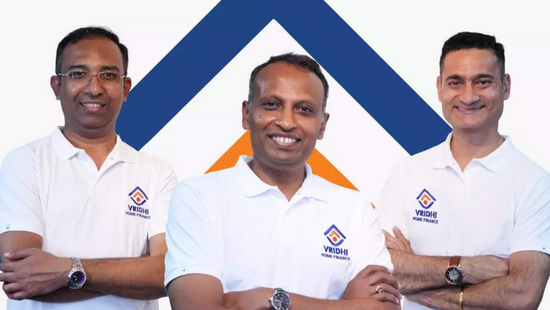
Vridhi Home Finance has successfully raised ₹310 crore in equity funding, led by Norwest Venture Partners, alongside contributions from existing investor Elevation Capital and the company’s founders. This significant investment follows the company’s earlier success in October 2023 when it garnered $18 million from Elevation Capital during its initial institutional funding round.

In a recent announcement, Vridhi Home Finance highlighted its commitment to enhancing its distribution network, improving risk management practices, and upgrading its technological infrastructure to establish a seamless digital home loan experience.

Since its launch in 2022, Vridhi Home Finance has made substantial strides, now operating 51 branches across five states: Karnataka, Andhra Pradesh, Rajasthan, Madhya Pradesh, and Telangana. The company has successfully built assets under management totaling ₹200 crore.

With this fresh influx of capital, Vridhi aims to penetrate new markets while refining its digital onboarding process, covering all aspects from loan application to disbursement and servicing. The firm primarily targets small towns with populations ranging from 3,000 to 500,000, offering home loans between ₹3 lakh and ₹45 lakh.

Sunku Ram Naresh, CEO of Vridhi Home Finance, expressed the company’s vision, stating, “Our goal is to become the preferred financier for self-employed individuals and those with informal income, helping them realize their home ownership aspirations. By creating an omnichannel presence and delivering exceptional service through our phygital model, we aim to make home ownership attainable for traditionally underserved segments.”

Mridul Arora, a partner at Elevation Capital, commented on the funding, noting that the affordable housing finance sector represents a substantial opportunity largely overlooked by banks and larger financial institutions. He believes that Vridhi Home Finance’s unique approach to customer experience positions it well to seize this opportunity.

KiranaPro: Deepak Ravindran’s New Venture Eyes Seed Funding

Deepak Ravindran is back in the entrepreneurial arena with the launch of KiranaPro, a platform designed to empower local kirana stores by offering ultra-fast delivery services. Reports indicate that the startup is on the verge of closing its seed funding round, according to two sources familiar with the negotiations.

An unnamed source revealed that Unpopular VC will spearhead this funding round, with contributions from Blume Founders Fund, Snow Leopard, and several angel investors. KiranaPro aims to help traditional kirana shops remain competitive against the growing influence of quick-commerce giants like BlinkIt, Zepto, and Swiggy Instamart. Notably, Yatish Talvadia from MilkBasket and Vikas Taneja from the Boston Consulting Group are also expected to invest in KiranaPro’s inaugural funding effort.

Leveraging the ONDC framework, KiranaPro allows local kirana store owners to fulfill orders within an impressive timeframe of 15-20 minutes, as per insider reports.

Inquiries sent to Ravindran, Unpopular VC, Blume Ventures, Snow Leopard, and Talvadia on Monday evening went unanswered.

Back in 2014, Ravindran founded Lookup, a platform that connected businesses with customers through chatbot technology. At the time, chatbots were a hot trend among investors, and Lookup successfully secured over $3 million in funding from backers including Khosla Impact and Catamaran Ventures. The following year, the company was acquired by NowFloats, which was later absorbed by Reliance.

According to the All India Consumer Products Distributors Federation (AICPDF), approximately 200,000 kirana stores have closed in the past year, driven by the rise of quick commerce and economic challenges. The federation argues that discounting practices employed by quick commerce platforms are detrimental to the earnings and customer base of local kirana shops, leading to their decline.

Despite several past initiatives aimed at empowering local kirana store owners, nearly all have failed to create significant change. Over the last decade, platforms such as Zepo, BuildaBazaar, NowFloats, Dukaan, and Bikayi have struggled to establish sustainable growth or viable business models. It remains to be seen how KiranaPro will perform in a market dominated by heavily capitalized competitors like BlinkIt, Swiggy Instamart, and Zepto.

Infra.Market’s FY24 Profit After Tax More Than Doubles to Reach Rs 378 Crore Amid Strong Revenue Growth

0

Infra.Market has maintained its upward momentum, recording substantial growth in FY24, marked by a 23% increase in revenue and surpassing the Rs 14,500 crore mark. This impressive year-end performance saw the company’s profit after tax (PAT) climb over 2.4 times, closing at Rs 378 crore for the fiscal year ending March 2024.

In its latest press release, Infra.Market reported a consolidated revenue of Rs 14,530 crore for FY24, up from Rs 11,847 crore in FY23. This revenue growth has been attributed to heightened demand and the company’s expanded footprint across its diverse construction material portfolio.

Focused on offering construction materials, infrastructure goods, and technical equipment, Infra.Market has seen significant gains across its product lines. However, the company did not disclose detailed revenue and expense allocations in its report.

Infra.Market’s PAT for FY24 surged to Rs 378 crore, a significant leap from Rs 155 crore in FY23. The PAT margin saw a noticeable improvement, rising from 1.3% in FY23 to 2.6% in FY24, while the EBITDA margin also showed an increase, climbing from 6.6% to 7.5% in the same period.

During FY24, Infra.Market emphasized growth through investments in manufacturing capabilities and the launch of private-label products across various categories, including concrete, walling solutions, paints, electricals, wood, and tiles. The company also noted that its retail and consumer sectors are gaining momentum alongside its core B2B services.

With approximately $540 million raised through a mix of equity and debt, Infra.Market counts Tiger Global as its leading investor, followed by Accel and Nexus Ventures, according to data from TheKredible.

As Infra.Market eyes a potential IPO, it is preparing to submit its draft red herring prospectus (DRHP). Its competitive landscape includes key players like OfBusiness, Moglix, Zetwerk, and MetalBook. OfBusiness, backed by SoftBank, is expected to go public in FY26 and remains a prominent competitor, having achieved a revenue of Rs 19,296 crore and a PAT of Rs 603 crore.

4o

Auquan Secures Additional $4.5M in Seed Funding for AI-Driven Financial Solutions

AI-powered data analytics company Auquan has garnered an extra $4.5 million in seed funding, led by Peak XV’s Surge, with further support from Neotribe Ventures. This latest investment brings Auquan’s total seed capital to $8 million.

The fresh funds are aimed at expanding Auquan’s engineering team and advancing its Retrieval-Augmented Generation (RAG) technology alongside its AI agent architecture. According to the company, these advancements are central to automating in-depth analytical tasks in the financial sector.

Founded by Chandini Jain and Shubham Jain in 2016, Auquan focuses on automating complex knowledge workflows within financial services. Using RAG technology and AI architecture, Auquan enables rapid, precise insights that enhance client decision-making. The platform is widely used by leading global asset managers, investment banks, and private equity firms to optimize analysis and improve operational efficiencies.

Auquan’s RAG-based solution breaks down intricate knowledge tasks into manageable steps, ensuring accuracy and comprehensiveness for clients like UBS, Federated Hermes, and BC Partners.

Covering the top 30 GDP countries, including India, the USA, the UK, and Southeast Asia, Auquan’s SaaS-based AI platform assists major financial institutions in investment analysis, credit assessment, risk monitoring, and more, empowering clients to make faster, data-driven decisions.

4o

ElasticRun’s Strategic Shift Yields 49% GMV Decline and 42% Loss Reduction in FY24

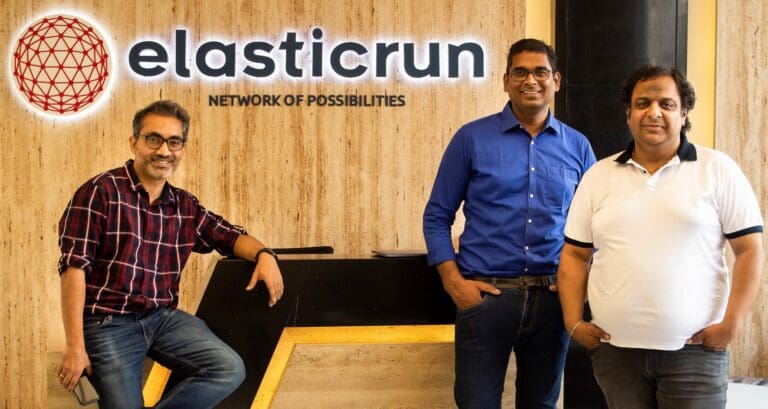
ElasticRun, operated by Ntex Transportation Services Private Limited, experienced a significant shift in its financials for the fiscal year ending March 2024. The Pune-based logistics platform reported a 48.6% decrease in gross collections, while managing to cut its losses by nearly 42%, reflecting a strategic move towards high-margin regional brands.

The company’s gross merchandise value (GMV) fell sharply to Rs 2,434 crore in FY24, down from Rs 4,738 crore in the prior year, as detailed in its latest standalone financial report. ElasticRun’s income from goods trading dropped by 53.7% to Rs 2,023.19 crore, although its service-based revenue saw a 10.3% increase, reaching Rs 406.3 crore during the same period.

ElasticRun’s business model revolves around providing rural and semi-urban kirana stores with access to branded products through an optimized distribution network. The company combines technology and logistics to create a more accessible supply chain for these underserved regions. In addition to operational revenue, ElasticRun earned approximately Rs 110 crore from non-operating sources, such as interest from bank deposits and gains on financial instruments, resulting in a total gross revenue of Rs 2,544 crore for FY24.

Cost-saving measures were evident across multiple expense categories. Total expenses fell by 46.7% to Rs 2,904.42 crore, down from Rs 5,452.79 crore in FY23. The cost of materials decreased by 53.4% to Rs 2,015.81 crore, while employee-related expenses saw a reduction of 27.5% to Rs 250.5 crore. Additionally, miscellaneous costs were reduced to Rs 585.63 crore.

The company’s strategic realignment translated to a 42% year-on-year decrease in losses, narrowing them to Rs 360 crore for the year.

ElasticRun has raised a cumulative $430 million, with a valuation of $1.44 billion. According to data from TheKredible, Prosus remains the top shareholder, holding 21.36%, followed by Avtaar Ventures and Kalaari Capital. The company’s co-founders—Sandeep Deshmukh, Saurabh Nigam, and Shitiz Bansal—retain a 22% collective stake.

While the pivot towards service revenue is in early stages, it will be crucial to monitor ElasticRun’s future updates to assess the impact of this shift. The unicorn’s path forward in rural distribution could either validate its strategic pivot or reveal further adjustments needed to achieve sustained growth.

4o