Home Blog Page 25

Lahori Sets Sights on Rs 400 Crore Funding to Boost Valuation Threefold

Lahori, a Chandigarh-based beverage producer best known for its local-flavored carbonated drinks, is in advanced discussions to secure Rs 400 crore in new funding. This investment could elevate the company’s valuation from Rs 900 crore to approximately Rs 2,700 crore. Founded in 2017 by Saurabh Munjal, Saurabh Bhutna, and Nikhil Doda, Lahori has gained a strong following with its cumin-flavored beverage, Lahori Zeera, alongside its popular Shikanji lemon drink.

The funding round, involving both primary and secondary investments, includes prominent investors and may see Verlinvest, Lahori’s first institutional backer, reduce its stake. With the primary investment of Rs 250 crore, Lahori’s founders may also look to offload part of their shares to support ambitious expansion plans. This capital will help scale production capacity from 5 million to over 8 million bottles daily, aligning with Lahori’s intent to open a new manufacturing facility in Uttar Pradesh, adding to its existing plants in Punjab and Gujarat.

Revenue for Lahori reached Rs 312 crore in 2023-24, reflecting a 50% annual increase, and is projected to hit Rs 500 crore in the upcoming fiscal year. The brand is largely reliant on offline distribution, contributing 99% of total revenue, with online and quick commerce channels gradually expanding. While quick commerce remains focused on top cities, the company expects sales through these channels to grow as digital reach expands.

Lahori reports that roughly 75% of its revenue currently comes from North India, with Mumbai and eastern markets identified for future growth. Interestingly, despite industry trends favoring smaller units, Lahori sees significant demand for its larger-sized bottles. According to the Indian Beverage Association, India’s non-alcoholic beverages sector is projected to grow from Rs 67,000 crore to Rs 1.5 lakh crore by 2030, with Lahori’s expansion aligning well with this upward trajectory.

4o

Zee-Sony Merger Moves Forward as NCLT Rejects Shareholder Enforcement Bid

The National Company Law Tribunal (NCLT) has dismissed an attempt by Phantom Studios India (PSIPL), a minor shareholder, to enforce the merger between Zee Entertainment Enterprises (ZEEL) and Sony Group’s subsidiaries, Bangla Entertainment Private Limited (BEPL) and Culver Max Entertainment (CMEPL). The NCLT’s Mumbai bench ruled that PSIPL lacked legal standing to enforce the merger, especially since both companies’ boards had decided to retract the scheme.

The tribunal clarified that PSIPL’s attempt to implement the merger was no longer valid due to the board’s decision to withdraw the merger proposal. At the time of the filing, PSIPL held around 1.3 million shares in ZEEL, valued at approximately Rs 50 crore.

PSIPL argued that the terms of a merger approved by shareholders should not be changed without their consent. However, Sony’s legal counsel countered that PSIPL, as a minor stakeholder, lacked the right to enforce the merger scheme. Additionally, both ZEEL and Sony highlighted that the merger’s approval was conditional, emphasizing that the tribunal has no jurisdiction to enforce a scheme that hadn’t taken full effect.

4o

From Months to Minutes: How Festive Marketing is Racing Against Time

0

As the festive season kicks off, the digital marketing landscape is witnessing a swift transformation. The era of slow-paced campaign planning is quickly fading, giving way to the new norm: rapid, 7-day turnarounds. SW Network’s leadership, including co-founder Pranav Agarwal and SW Studios producer Jaunty, shares insights on how this trend impacts festive advertising.

In recent campaigns, SocioWash (SW Network) worked on high-profile projects for brands like Myntra and Flipkart. Their collaboration on Myntra’s Big Fashion Festival featured clever branding with celebrities like Karan Johar and Ranveer Kapoor, while Flipkart’s Big Billion Days campaign incorporated humor with a spooky twist, starring Sumeet Vyas.

Reflecting the shift from traditional, emotional storytelling to a more lighthearted approach, SW Studios has tailored its content strategy for increased relatability and fun. “Festive campaigns are now more sales-driven, which influences the creative direction,” says Jaunty. The agency’s work for Cleartrip, which included an interactive print ad in The Times of India, exemplified this approach by encouraging readers to make paper planes, embodying the festive spirit of letting go of worries.

Agarwal points out that while traditional campaigns used to focus on emotions, there’s now a clear pivot toward humor and relatability. “Brands understand that audiences are increasingly drawn to wit and relatability during the festive period,” he explains.

The compressed timelines are reshaping brand-agency dynamics, with many projects, even Diwali and Christmas campaigns, completing in just 7-10 days. Some brands, like Flipkart, operate with agility reminiscent of startups, which aligns with their swift campaign rollouts.

As timelines shorten, technology is becoming a vital player. AI-driven tools are now aiding agencies like SW Network to ideate and execute quickly, from storyboarding to visual effects. “AI is a big factor in helping us meet these tight deadlines,” says Jaunty. In fact, AI is now integral in production, taking on roles from visual enhancement to even styling guidance.

With brands expanding beyond Indian festivals, engaging in events like Halloween and IPL cricket matches, marketers are finding new avenues to connect with audiences year-round. Agarwal notes that festivals like IPL are now treated as major branding events, which could influence marketing budgets to spread more evenly over the year.

Despite the evolving formats, storytelling remains at the heart of effective branding. “Whatever the format, the art of storytelling and emotional connection is what sustains audience engagement,” Jaunty concludes, underscoring the power of meaningful narratives in the fast-paced world of festive marketing.

Weekly Leadership Insights: Key CXO Appointments and FMCG Market Trends Amid Slower Growth

The fast-moving consumer goods (FMCG) sector has experienced a notable deceleration in volume growth as inflation and persistent rains influence consumer spending patterns. Households in both urban and rural areas have reduced purchases of packaged foods and beverages, leading to nearly halved growth in daily essentials and groceries.

Recent data shows a 4.1% increase in overall FMCG market volumes for the quarter ending in September, a decrease from 7.2% growth observed last year. Urban areas recorded a 4.3% growth, while rural volumes rose by 3.9%, both significantly below last year’s rates of 8.1% and 6.3%, respectively.

Industry experts note that rural areas show signs of recovery, bolstered by a favorable monsoon season and anticipated gains from the kharif crop, yet urban growth faces challenges from rising food costs. While personal and home care products have posted steady growth of 4.1% and 2.9%, food and beverages have encountered pressure, particularly within snack categories. This segment saw 4.4% growth this quarter, down from 8.6% previously, with demand for items like noodles and salty snacks remaining steady, while biscuits showed slower performance.

Quarterly reports indicate mixed results across major FMCG players, with some brands reporting modest growth rates, reflecting the sector’s current volatility. Nonetheless, industry players remain optimistic about a potential rebound in demand during the second half of the year, viewing the current market deceleration as temporary.

Over the past decade, branded essentials have increasingly depended on rural demand, which remains closely linked to agricultural outcomes. Although rural growth is recovering, urban markets are currently under greater strain, signaling a complex outlook for the FMCG industry in the near term.

Tata Group Enters Fast-Delivery Market with Neu Flash Rollout

The Tata Group is stepping into the quick commerce arena with its new service, Neu Flash, set to debut for select users and focusing on groceries, electronics, and fashion. Tata’s entry will position it alongside competitors like Flipkart and Reliance Industries (RIL), addressing the growing demand for rapid deliveries in urban centers.

Neu Flash, part of Tata’s e-commerce platform Tata Neu, will initially cater to a limited audience but is anticipated to expand to more users in the coming weeks. BigBasket will handle grocery orders as it transitions to a quick-commerce model, while Croma will oversee electronics, and Tata Cliq will manage fashion and lifestyle, though only for certain stock-keeping units (SKUs) at launch.

This latest move by the Tata Group underscores its commitment to the online retail market, a space currently led by Blinkit, Swiggy Instamart, and Zepto, which together control over 85% of the market share. Flipkart Quick and Reliance’s JioMart, which recently resumed its rapid delivery service, are other notable players in this competitive sector.

Yotta Launches Rudra Program to Fuel AI Innovation with Extended Cloud Credits for NVIDIA Members

Yotta Data Services has unveiled the Rudra program, a new initiative designed to accelerate AI-driven innovation by offering startups and enterprises access to NVIDIA’s cutting-edge technology through Yotta’s Shakti Cloud platform. With cloud credits valued up to $50,000, the program extends to members of NVIDIA Inception and NVIDIA Connect, providing access to NVIDIA Hopper GPUs and the NVIDIA AI Enterprise platform, which are essential for developing powerful AI solutions.

Sunil Gupta, Yotta’s Co-founder and CEO, highlighted the program’s goal to reduce financial barriers and foster a robust AI ecosystem. He emphasized that Yotta’s collaboration with NVIDIA is geared toward equipping startups and Independent Software Vendors (ISVs) with essential technology, guidance, and infrastructure to realize their AI ambitions. Gupta further stated that the Rudra program embodies Yotta’s commitment to strengthening India’s AI landscape, empowering innovators to solve pressing challenges locally and globally. The initiative also includes training, expert technical support, and exclusive discounts for extended AI applications.

With over 80% of Yotta’s GPU resources dedicated to Indian clients, the program aims to boost domestic AI development while also addressing international demand. Through the Shakti Cloud platform, Yotta will offer comprehensive services such as managed GPU nodes, Kubernetes clusters, and serverless AI inferencing. By supporting projects like large language models and speech recognition, the Rudra program positions India as a global AI leader.

KreditBee Unveils ‘Har Sapney Ka Sathi’ Initiative to Enhance Financial Access in Smaller Cities

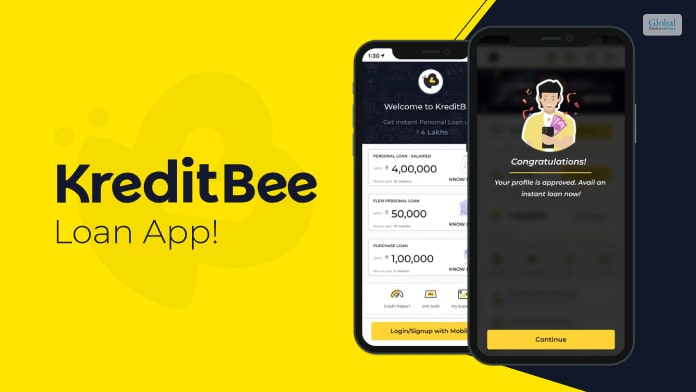
KreditBee, a prominent player in the online credit sector, has introduced its latest campaign, “Har Sapney Ka Sathi,” aimed at promoting financial inclusion during the festive season. This initiative specifically targets customers in metropolitan areas as well as Tier 2 and Tier 3 cities, facilitating easier access to credit for personal, business, and mobility needs. The campaign is tailored for salaried and self-employed individuals between the ages of 21 and 55, and it includes added services such as Loan Linked Insurance, 24K Digital Gold, and Credit Reports.

Madhusudan E, Co-founder and Chief Executive Officer (CEO) of KreditBee, emphasized the increasing need for digital financial solutions, which is fueled by the growth of India’s middle-income demographic. KreditBee’s mission is to empower individuals through accessible financial products. The platform offers a diverse range of loans, including personal loans for home renovations, business loans for growth, and two-wheeler loans, ensuring that customers are well-prepared to achieve their aspirations this festive season.

Hardik Pandya Becomes Investor in The Souled Store After Serving as Brand Ambassador

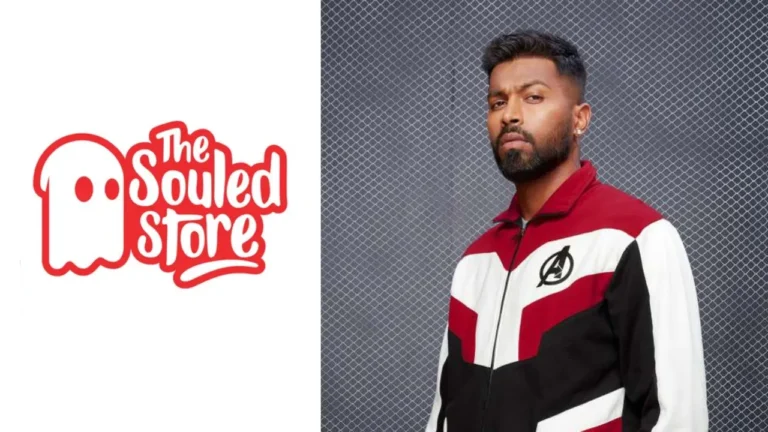
Cricket star Hardik Pandya has taken his partnership with The Souled Store, a popular lifestyle brand, to the next level by stepping in as an investor. Known for its trendy, youth-centric apparel, The Souled Store has benefited from Pandya’s influence since 2022 when he joined as a brand ambassador. This new investment signifies a powerful collaboration aimed at strengthening the brand’s position in India’s fashion industry.

Having been managed exclusively by RISE Worldwide, Pandya shared his excitement about his investment in The Souled Store, stating, “My journey with The Souled Store has been remarkable. What began as a brand partnership has now evolved into something greater. Their passion for creating relatable, vibrant products for India’s youth has always resonated with me. I’m excited to be a part of this beloved Indian brand’s next chapter and to contribute to its ongoing growth and success.”

He further added, “Deepening my connection with The Souled Store aligns perfectly with my values. As an Indian athlete, I’m passionate about supporting homegrown brands that embody innovation and creativity. I’m thrilled to continue this journey, helping shoppers embrace style and individuality with The Souled Store.”

Vedang Patel, co-founder of The Souled Store, expressed his enthusiasm about the new partnership, saying, “Hardik represents everything that The Souled Store stands for—a true ‘Made in India’ success story. We’re thrilled to have him join our family. His fashion-forward mindset and deep connection with India’s youth will be instrumental in shaping our brand. Together, we aim to design high-quality products that capture the spirit of individuality and resonate with young consumers.”

This evolving synergy has mutually benefited both The Souled Store and Hardik Pandya, boosting the brand’s presence and connecting it with the energetic vibe of Indian youth. Pandya has been instrumental in increasing the brand’s visibility, blending his fan following with the brand’s appeal for trendy, quality apparel.

Looking ahead, The Souled Store aims to leverage this investment to accelerate product innovation, strengthen its online and offline reach, and pursue creative collaborations that will fuel future growth and excitement around the brand.

Digital Dominance Rises for FMCG Ads: HUL Leads TV, L’Oréal Shines Online, Reports TAM AdEx

In the first half of 2024, the advertising landscape for Fast-Moving Consumer Goods (FMCG) has shifted significantly, according to TAM AdEx’s latest report. While television and print ad volumes declined by 6% compared to the same period in 2023, digital ad impressions surged by 7%, indicating a strong shift towards online engagement.

FMCG ad volumes on television—a traditionally robust medium—dropped by 6% in H1 2024, with May recording the highest ad share at 18%. The toilet soaps category led the top 10 FMCG segments on TV, holding a 10% share, followed by toilet cleaners, milk beverages, and washing powders, each between 5-6%. Hindustan Unilever Limited (HUL) held the top spot as the primary FMCG advertiser on television with an 18% share, followed closely by Reckitt Benckiser.

Mirroring television’s trend, print ad space for FMCG brands also saw a 6% decline in H1 2024. January took the lead in ad space usage with 20%, while May had the lowest at 14%. Digestives, spices, and rubs/balms were among the top categories, each commanding 6% of the print ad space. SBS Biotech led print advertising with a notable 15% share, followed by Amul as a key player.

In stark contrast to traditional media, FMCG digital advertising flourished, achieving a 7% growth in ad impressions over H1 2023. March saw peak digital activity, accounting for 22% of impressions. Hearing aids emerged as the most advertised digital FMCG category with an 8% share, while vitamins and health supplements followed closely. L’Oréal India was the standout digital advertiser, contributing 9% to digital FMCG ads, with programmatic advertising making up a significant 84% of digital transactions.

While print and television ads faced declines, radio ad volumes saw a slight 1% rise. January led radio ad activity with 20% of ad volumes, and April observed the lowest. Categories like pan masala, spices, and digestives each represented 7% of the total radio ad volume, with Amul leading FMCG radio ads at 8%.

Television ad volumes were most heavily concentrated in the prime-time evening slot (6:00 PM – 11:00 PM), contributing 31% to the total, while radio advertising peaked between 5:00 PM – 9:00 PM, making up 37% of ad volumes.

In print, the North Zone led FMCG ad space with 38%, trailed by the West Zone at 26%, with New Delhi and Mumbai standing out as top cities for FMCG print ads, highlighting regional preferences in ad placement.

The shifting trends underscore digital’s growing importance in the FMCG advertising mix, with brands adapting their ad spend to meet evolving media consumption patterns.

Adobe Launches Diwali Campaign to Spark Creativity Using Adobe Express

0

With Diwali just around the corner, Adobe is inviting everyone, regardless of their design skills, to express their creativity using the Adobe Express platform. This Diwali season, Adobe is spotlighting the artistic journeys of four Indian creators—Satyam Bhuyan, Pearl D’Souza, Manali Jain, and Vimal Chandran—who are embracing the festival’s essence through their unique perspectives on the platform.

These creators bring forth their personal stories, experiences, and cultural roots, transforming cherished memories into expressive art. With Adobe Express’s intuitive tools and customizable templates, users can design personalized greetings, create vibrant visuals, and share festive moments effortlessly.

For Satyam Bhuyan, his mother’s elaborate Diwali rangolis symbolize love and connection. Inspired by her, he plans to create a vibrant artwork through Adobe Express, capturing their bond in a tribute to these cherished memories.

Illustrator Pearl D’Souza, whose artistic journey is shaped by the unwavering support of her parents, uses Adobe Express this Diwali to design a greeting card adorned with marigold motifs and family photos, celebrating family and tradition.

Travel photographer Manali Jain draws from her father’s adventurous spirit, a guiding influence throughout her life. She plans to craft a greeting card using Adobe Express, featuring snapshots that capture their shared memories and festive joy.

For Vimal Chandran, inspiration comes from the playful curiosity of his young nephew. This Diwali, he will use Adobe Express to immortalize his nephew’s lively expressions, honoring the bond they share.

Adobe’s aim is to empower people to find their creative spark through the journeys of these creators. With Adobe Express, anyone can easily design unique Diwali cards, festive social media posts, and more, making it accessible for all to spread the joy of the season.