Home Blog Page 54

Nutrabay Secures $5 Million Investment from RPSG Capital Ventures

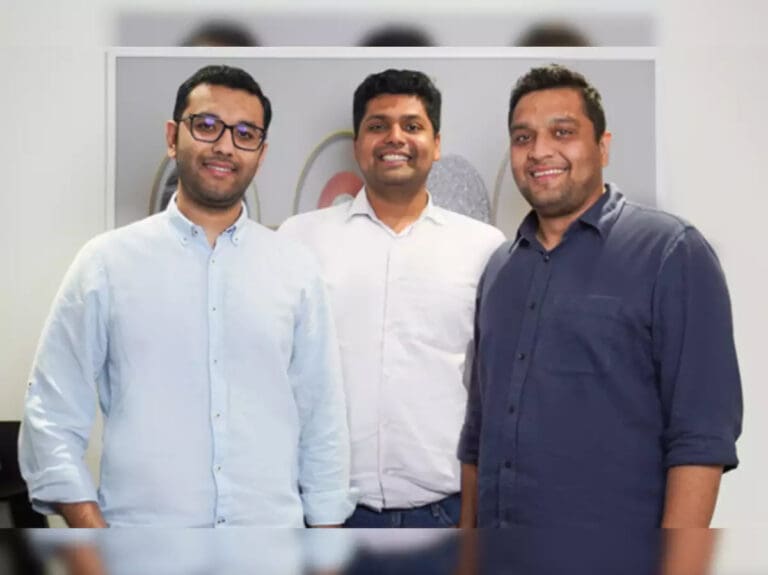
Nutrabay, a direct-to-consumer (D2C) sports nutrition retailer, has raised $5 million in a Series A funding round led by RPSG Capital Ventures, with participation from Kotak Alternate Asset Managers Limited. This is Nutrabay’s first institutional funding and will be used to expand its omnichannel presence and drive new product innovation.

Founded in 2017, Nutrabay operates as a D2C multi-brand retailer, offering products from over 100 brands along with its own private label under the Nutrabay name. The company sells its products through its D2C website, various e-commerce platforms, and offline supplement stores. Nutrabay aims to establish a horizontal brand encompassing sports nutrition, vitamins, minerals, and supplements (VMS), as well as health food and drinks.

Shreyans Jain, founder of Nutrabay, stated that the company was established to provide high-quality nutrition products to help consumers achieve holistic nutrition. Jain expressed enthusiasm for the support from RPSG and Kotak PE, and the opportunity to leverage this partnership for the company’s next growth phase. Nutrabay currently offers over 70 products and experienced 80% growth in fiscal 2024 compared to the previous year. The company plans to introduce more than 50 new products by the next fiscal year.

Abhishek Goenka, managing partner at RPSG Capital Ventures, highlighted the strong potential in the nutrition, health, and wellness sector, noting that demand for sports nutrition is growing beyond metropolitan areas and gaining traction in tier 2 and smaller markets. Nutrabay competes with companies like HealthKart and HyugaLife in this expanding market.
BigEndian Semiconductors Secures $3 Million in Funding Led by Vertex Ventures SEA & India

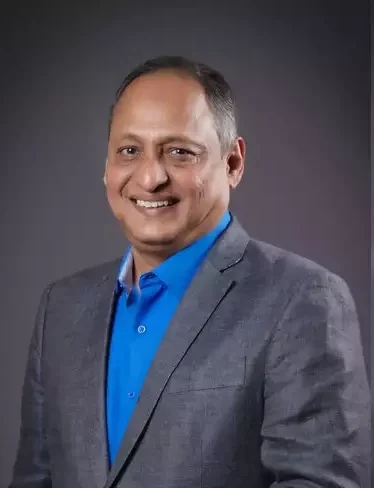
BigEndian Semiconductors, a fabless-semiconductor design startup based in Bengaluru, has secured $3 million in a funding round led by Vertex Ventures SEA & India. The funds will be utilized to expand the company’s engineering team, boost research and development, and scale its operations. CEO Sunil Kumar emphasized that the company aims to leverage local market opportunities, government initiatives, venture capital support, and favorable global geopolitical conditions to position itself as a competitive provider of quality semiconductor solutions globally.

Founded in 2024 by Sunil Kumar, Renuka Prasad, Harpreet Wadhawan, Dinesh Annayya, Kanagaraju Ponnusamy, and Jansen Cheng, BigEndian Semiconductors is focused on developing indigenous semiconductor IP in India. The startup plans to launch its own surveillance system-on-chip (SoC) solution and currently employs around 18 people. Kumar highlighted that the company’s goal is to create a “Make in India” chipset, fully designed and manufactured in India, with significant revenue generation expected by 2026.

BigEndian Semiconductors intends to begin operations in India, with plans to expand into the Global South and eventually into developed markets like Europe and the United States. Their initial chipsets will target the Global South, with a focus on AI inference engines and enhancing machine learning capabilities on the edge. Ben Mathias, managing partner of Vertex Ventures SEA & India, noted that the realignment of electronics supply chains presents a unique opportunity for India to emerge as a global leader in semiconductors. He added that BigEndian’s approach to developing a surveillance SoC aligns with the increasing global demand for advanced security solutions.

Apple and Nvidia Eye Investments in OpenAI, Pushing Valuation Beyond $100 Billion

Apple and Nvidia are reportedly in discussions to invest in OpenAI as part of a new funding round that could value the ChatGPT creator at over $100 billion. This potential investment would significantly boost OpenAI’s valuation and comes amid reports of Thrive Capital planning to invest approximately $1 billion in the company, leading the latest fundraising round. Apple and OpenAI have not commented on the reports, while Nvidia, Microsoft, and Thrive Capital declined to respond.

OpenAI has become increasingly central to Apple’s artificial intelligence strategy, with Apple integrating OpenAI’s ChatGPT into its devices under “Apple Intelligence.” Apple may also gain an observer role on OpenAI’s board. Microsoft, which is OpenAI’s largest strategic investor with more than $10 billion invested, is also expected to join the funding round. However, the specific amounts to be invested by Apple, Nvidia, and Microsoft have not been disclosed.

OpenAI’s soaring valuation reflects its pivotal role in the AI landscape, driven by the rapid adoption of ChatGPT since its launch in late 2022. This has spurred companies across various sectors to pour billions into AI to maintain a competitive edge. The firm, led by Sam Altman, was reportedly valued at $80 billion in February after a deal involving the sale of existing shares in a tender offer led by Thrive Capital. The latest investment talks highlight the ongoing AI arms race, with tech giants like Apple, Nvidia, and Microsoft vying to capitalize on OpenAI’s innovations to expand their market influence.

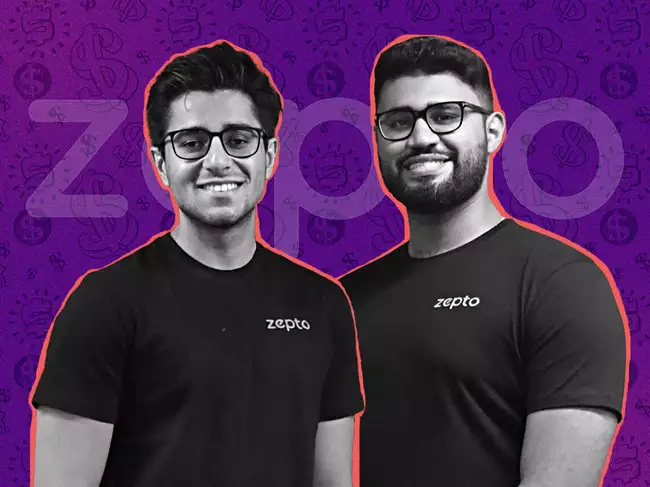
Zepto Secures $340 Million in Latest Funding Round, Boosting Valuation to $5 Billion

The quick commerce firm, Zepto, has raised an additional $340 million (Rs 2,850 crore) from General Catalyst, Mars Growth Capital, and Epiq Capital, and the startup says it has raised more than $1 billion in the last two months. The most recent funding that involved funding from Sequoia capital, which was a part of the previous round alongside other investors, including StepStone, Lightspeed, DST Global, and Contrary, has taken Zepto’s valuation to $5 billion, setting it at 3x. It may also rise to 5 time within one year among other devastating impacts that the disease has on humanity. This has been due to factors such as fast-growing quick-delivery market and a large amount of capital invested in this area. Before, Zepto has received $665m in funding at $3 billion company valuation. 6 billion in June and got to unicorn status in August 2023 with $1. Business ousted it to $4 billion valuation after it secured $200 million in funding.

Zepto has been growing its operations very fast to new markets and new Dark stores, or mini-warehouses. Currently running 400 dark stores, Ocado hopes to have 700 dark stores and then review its expansion model, primarily focusing a scale that results in break-even point. That is amid rising competition from other large players in the quick commerce segment like Tata’s BigBasket, Flipkart Minutes, and Amazon India that are introducing or ramping up their own quick-delivery operations. Blinkit, one of the main competitors of Zepto, as well as Swiggy Instamart, are also actively growing: Blinkit by June had 639 dark stores more and planned to reach 1,000 by March 2025.

The chief executive of Zepto, Aadit Palicha, continued this focus on the execution and highlighted that the company is on course of achieving an annualized gross sales run rate of $1. Ago, it reported total sales of $5 billion and has set its target to achieve $3 billion. 5 billion by December of 2025 of the cumulative inflows and outflows of foreign direct investment to and from developing countries. The last round of funding was motivated by a chance to enter into partnership with Neeraj Arora of General Catalyst that became the board member of Zepto and the necessity of the company’s balance sheet shoring up with the constant growth.
Quick commerce, initially focused on grocery delivery, has expanded into multiple categories, now offering over 10,000 stock keeping units (SKUs) and aiming to increase this to 20,000-25,000 SKUs ahead of the festive season. According to industry estimates, quick commerce could account for 40-50% of e-commerce in certain categories within the next three years, growing from the current 10-15% of the total segment. A recent Nomura report projects that the quick-commerce market will achieve 100-110% year-on-year growth in gross order value by FY26, driven by substantial dark-store additions by leading companies.

Sunfox Raises an Additional ₹15 Crore in Pre-Series Funding to Expand Global Cardiac Innovation Efforts

Sunfox Technologies, a health tech startup known for its innovative products and appearance on Shark Tank India, has successfully raised an additional ₹15 crore in a pre-series funding round. The round was led by existing investor Venture Catalyst, with new participants including Finvolve through the IA Growth Opportunities Fund I, Brew Opportunities Fund, Universal Group, KP Singhvi Group, and several high-net-worth individuals (HNIs). This follows a prior investment of ₹5 crore from USAID through SAMRIDH Health and LetsVenture, bringing the total funds raised in this round to ₹20 crore.

Sunfox Technologies plans to utilize this new capital to accelerate its expansion both in India and globally, with a particular focus on scaling its flagship product, Spandan. Spandan is a smartphone-based portable ECG device that offers clinically accurate 12-lead ECG readings, enabling real-time heart attack detection and cardiac health monitoring. Already in use by over 30,000 people across 20 countries, Spandan has played a crucial role in saving more than 10,000 lives through early detection of heart conditions. This technology is especially vital as India faces a rise in heart attack cases post-COVID-19.

CEO Rajat Jain highlighted the significance of this funding, stating that it will drive the rapid growth of Spandan, aiming to make it as commonplace as a household thermometer. The company envisions a future where heart attacks become as preventable as common illnesses, with Spandan widely used in homes and clinics worldwide.

Sunfox, based in Dehradun, a Tier 2 city, challenges the notion that impactful health tech innovations only emerge from metro cities. The company has established an advanced R&D and manufacturing facility in the region, garnering attention from prestigious institutions like Oxford and Wharton. Sunfox first gained widespread recognition when all five investors on Shark Tank India—Namita Thapar, Peyush Bansal, Anupam Mittal, Vineeta Singh, and Ghazal Alagh—invested in the company during its debut on the show.

Venture Catalyst co-founder Dr. Apoorva Ranjan praised Sunfox’s mission to make heart health accessible globally, expressing excitement about the company’s potential to revolutionize the healthcare landscape with Spandan.

Founded in 2016 by Rajat Jain, Arpit Jain, Saurabh Badola, Nitin Chandola, and Sabit Rawat, Sunfox Technologies is rapidly transforming the cardiac diagnostics space with the portability, affordability, and user-friendliness of Spandan.

Indian Phosphate IPO Closes with 82.07 Times Subscription, Grey Market Premium Suggests 136% Listing Gain

The initial public offering (IPO) of Indian Phosphate took place from August 26 to August 29, with shares priced between ₹94 and ₹99 each. The company, primarily focused on producing Linear Alkylbenzene Sulphonic Acid (LABSA) at 90% purity for various detergent forms, also manufactures “Single Super Phosphate” (SSP) and “Granules Single Super Phosphate” (GSSP) fertilizers. These fertilizers meet the standards set by the Fertilizer Control Order of India and are available in different forms, including fortified varieties.

Indian Phosphate’s manufacturing facility is strategically located in Udaipur, Rajasthan, close to raw material sources. The company has established a strong presence in several key states, including Punjab, Bihar, Gujarat, and Maharashtra, among others. Despite its regional strength, Indian Phosphate saw a decline in its financial performance, with a 27% drop in profit after tax and a 7% decrease in revenue between March 31, 2023, and March 31, 2024.

The IPO was well-received, with the subscription reaching 82.07 times on the third day. The retail portion was oversubscribed by 132.55 times, while the non-institutional investor (NII) portion was booked 61.84 times, and the Qualified Institutional Buyers (QIB) portion 8.90 times. The company received bids for 36,95,02,800 shares against the 45,02,400 shares on offer.

The IPO aims to raise ₹67.36 crore through the issuance of 6,804,000 equity shares, with no “offer for sale” component. The funds will be used for working capital, establishing a new manufacturing plant in Tamil Nadu for producing sulfuric acid, LABSA 90%, and magnesium sulfate, and for general corporate purposes.

The grey market premium (GMP) for Indian Phosphate shares is currently +₹135, indicating a strong demand. Based on this premium and the upper end of the IPO price band, the estimated listing price is ₹234 per share, representing a 136.36% increase over the IPO price of ₹99.

Beeline Capital Advisors Pvt Ltd is the book-running lead manager for the IPO, with Bigshare Services Pvt Ltd as the registrar and Spread X Securities as the market maker.

OpenAI Close to Securing Funding Round Led by Thrive Capital, Valuing the Company at Over $100 Billion

OpenAI is nearing a significant funding round, potentially raising its valuation to over $100 billion. Thrive Capital is expected to lead this round with an investment of approximately $1 billion, according to sources familiar with the matter. OpenAI’s Chief Financial Officer, Sarah Friar, informed employees in a recent memo that the company is actively seeking new capital to support its operational needs, including computing power, although specific details were not disclosed.

Since late 2022, OpenAI has been in discussions to raise funds at this high valuation, reflecting the growing demand for generative AI technology, especially after the widespread success of its chatbot, ChatGPT. This financing round could position OpenAI among the most valuable venture-backed startups globally, highlighting its influence in the AI industry. The success of OpenAI, backed by Microsoft, has also intensified competition among major tech companies to integrate AI technologies into their products.

Additionally, Friar mentioned that OpenAI is considering a tender offer later this year, allowing employees to sell a portion of their shares. However, these plans are still in the early stages and are yet to be finalized.

ODA Class Raises $500K in Series B Funding to Boost EdTech Growth

Bengaluru-based edtech startup ODA Class has secured $500,000 in its Series B funding round from Skywalker Education Technology Co. Ltd. (Singapore), Daituzi Education Technology Corporation Limited, and Matrix Partners China. This latest funding brings the total capital raised by ODA Class to $12.75 million.

Since its inception in 2019, ODA Class has garnered significant investment, including an undisclosed amount in a pre-Series A round from Yuanfudao in 2020, $9 million in 2021, $3 million in 2022, and an additional $250,000 in 2023.

The newly raised funds will be directed towards enhancing digital marketing efforts to boost brand visibility and expand reach. ODA Class offers live online courses for students from grades 1 to 10, leveraging AI technologies and innovative marketing strategies to provide affordable, high-quality education. The startup employs educators from prestigious institutions such as IITs and NITs, and has served over 25,000 long-term students. ODA Class aims to enroll 100,000 students in 2024 while continuously improving its learning platform.

ODA Class has reported significant revenue growth, with earnings rising from ₹26.90 crore in FY22 to ₹63.76 crore in FY23 and further to ₹65.81 crore in FY24. The company has also optimized its expenses, reducing costs from ₹79.20 crore in FY22 to ₹107.81 crore in FY23, and further to ₹85.20 crore in FY24.

This funding will enable ODA Class to continue its mission of making quality education accessible and affordable, while scaling its platform to meet growing demand in the Indian edtech sector.

InsurancePadosi Raises ₹4.19 Crore in Pre-Seed Funding Led by Antler to Revolutionize Insurtech

InsurancePadosi, a rising insurtech platform, has successfully raised ₹4.19 crore (approximately $500,000) in its pre-seed funding round. The round was led by Antler, a prominent early-stage venture capital firm, with additional investments from notable industry experts such as Hemant Kaul, former CEO and MD of Bajaj Allianz, and Satish Pillai, former CEO and MD of TransUnion CIBIL, who participated as angel investors.

The newly raised capital will be utilized to enhance InsurancePadosi’s technology infrastructure, broaden its insurance product offerings, and boost sales and marketing initiatives. The platform also plans to explore underwriting and claims management to deliver a fully integrated customer experience.

The Indian insurance market, which generates over $20 billion in gross premiums and sells 50 million new policies annually, remains largely underpenetrated. InsurancePadosi aims to leverage data analytics to offer personalized and data-driven policy recommendations, addressing market challenges such as affordability and comprehension.

InsurancePadosi’s innovative approach aims to transform the insurance landscape in India by providing tailored solutions, making insurance more accessible and understandable for consumers. The company’s focus on technology and customer-centric services positions it well to capitalize on the growing demand for insurtech solutions in the Indian market.

Servify Secures ₹84 Crore in Series D Funding from Bajaj Holdings, Trifecta, and Innoven Capital

Servify, a leading post-sales service platform, has raised ₹84 crore (approximately $10 million) in a new tranche of its Series D funding round. The investment, which combines equity and debt, was led by Bajaj Holdings, Trifecta, and Innoven Capital. As per regulatory filings, Servify’s board approved the issuance of 500 non-convertible debentures and 1,16,555 compulsorily convertible preference shares (CCPS) for the total amount raised.

Bajaj Holdings contributed ₹34 crore through equity investment, while Trifecta and Innoven Capital provided the remaining amount through debt financing. The company’s valuation stands at approximately ₹7,074 crore ($852 million) following this funding round.

Since its inception, the Mumbai-based company has raised about $125 million, including $65 million from the ongoing Series D round led by Singularity Growth Opportunity Fund in 2022. Prior to this latest funding, Iron Pillar was Servify’s largest external stakeholder with a 28.8% stake, followed by Beenext and Blume Ventures, holding 9.87% and 8.20% respectively.

Financially, Servify has demonstrated significant growth, achieving over 95% year-on-year revenue growth to ₹611 crore during the fiscal year ending March 2023. However, the company reported net losses of ₹229 crore for the same period. The firm has yet to file its annual financial results for FY24.

Servify’s latest funding round underscores its commitment to enhancing after-sales service experiences and expanding its market presence in the tech support and device management sectors.