Home Blog Page 74

FirstCry Prepares for $3-3.5 Billion IPO with Strong Institutional Interest

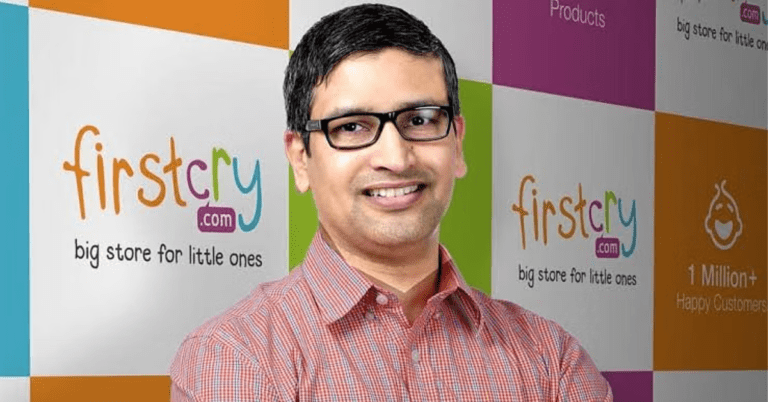
FirstCry is set to file its red herring prospectus (RHP) this week for an initial public offering (IPO), aiming for a valuation between $3 billion and $3.5 billion, according to sources familiar with the matter. This move will make Brainbees Solutions, the company behind FirstCry, the second major venture-backed, modern firm to enter the capital markets this year, following Ola Electric.

The offer size for FirstCry remains consistent with its draft IPO papers, targeting a primary fundraise of $217 million (Rs 1,816 crore). Additionally, the IPO will include an offer-for-sale (OFS) of 54 million shares. The startup, backed by Premji Invest and SoftBank, was valued at $2.8 billion in its last private funding round.

According to one source, “FirstCry will officially launch its IPO for subscription this week and plans to close it before August 15,” noting that the company has received significant interest from institutional investors for its anchor book.

Recent Indian internet IPOs have generally been priced at or below their last private round valuation, a trend seen with Go Digit and Ola Electric. This is a shift from the 2021 startup IPOs like Zomato, Nykaa, and Paytm, which were priced at substantial premiums. The volatility in global stock markets and caution from private investors regarding high valuations have caused technology-focused firms to steer clear of public markets and private funding over the past few years.

Ola Electric’s IPO, opening on August 2, is expected to be priced at a 25% discount to its last funding valuation of $5.4 billion. Meanwhile, FirstCry conducted a secondary transaction in August last year, where three family offices—Ranjan Pai’s Claypond Capital, Harsh Mariwala’s Sharrp Ventures, and Hemendra Kothari’s DSP family office—invested around Rs 435 crore.

FirstCry has been facilitating secondary financing over the past couple of years to provide early investors an exit. Valuation has not been a major issue, as new investors can exit at a higher price within a year. The OFS will see partial divestments from SoftBank Vision Fund, Premji Invest, Mahindra Retail, TPG Growth, and others.

The company refiled its IPO papers after the Securities and Exchange Board of India (SEBI) requested additional key performance indicators. According to the revised draft red herring prospectus (DRHP), FirstCry reported operating revenue of Rs 4,814 crore for the nine months ending December 2023, with a net loss of Rs 278 crore. It recorded gross sales of Rs 5,650 crore, with nearly 77% coming from online sales.

FirstCry operates 1,018 stores under the FirstCry and BabyHug brands in 508 cities, with 386 owned and the rest franchised. The company also manages in-house brands like Pine Kids, Cute Walk, and Babyoye. Proceeds from the IPO are intended for setting up stores and warehouses and expanding into Saudi Arabia. Globalbees, its brand aggregator subsidiary, reported a Rs 70-crore loss on revenue of Rs 910 crore for the first nine months of FY24.

Monarch Networth Capital to Raise Rs 300 Crore, Announces 1:1 Bonus Share Issue

Monarch Networth Capital, an integrated financial services firm, plans to raise Rs 300 crore through a preferential share allotment and a 1:1 bonus share issue. The shares will be priced at Rs 560 each, representing an 8.5% discount from the last traded price on the BSE.

The fundraising will be led by Monarch Infraparks Pvt Ltd, a promoter group entity, contributing Rs 99 crore, with the company’s CEO, Gaurav Bhandari, adding Rs 25 crore. Other investors involved in the preferential allotment have not been disclosed.

Monarch Networth Capital intends to use the new funds for strategic initiatives across its diverse business segments. The company aims to accelerate its growth initiatives, innovate its offerings, and continue delivering exceptional value to its stakeholders.

The firm also plans to launch a portfolio management service, expand its margin trading book, initiate a pre-IPO fund, apply for a mutual fund license, enhance its debt capital market division, and underwrite IPOs. Additionally, Monarch Networth Capital has appointed MSKA & Associates as its auditor, pending shareholder approval at the upcoming AGM.

With this fundraise, Monarch Networth Capital’s net worth is expected to surge to Rs 700 crore by September 30, 2024. The company’s net profit increased to Rs 123 crore in FY24 from Rs 43 crore in FY23, with a net profit of Rs 40 crore recorded in the first quarter of FY25.

Ather Energy Raises Rs 60 Crore, Plans New Expansion Before IPO

Ather Energy is continuing to raise debt funding ahead of its potential public listing, securing Rs 60 crore (over $7 million) from Stride Ventures through its trustee Vistra ITCL. This marks the second debt infusion for the Bengaluru-based electric scooter manufacturer in the last two months, following a Rs 200 crore investment via debentures from Stride Ventures in May.

Although the timeline for Ather’s IPO remains unclear, the company took a significant step towards public listing by converting into a public company in June. To date, Ather has raised approximately $450 million from investors such as Tiger Global and Hero MotoCorp. According to startup data intelligence platform TheKredible, Hero MotoCorp is an associate company of Ather and holds around a 38% stake.

Despite experiencing a four-fold growth during FY23, Ather’s revenue from operations slightly decreased to Rs 1,754 crore in FY24 from Rs 1,781 crore in FY23, based on disclosures made by Hero MotoCorp. The primary revenue source for Ather was scooter sales, with after-sales and subscription services contributing additional income.

Ather maintained its position as the fourth largest two-wheeler EV manufacturer, selling 6,097 units in June 2024 and achieving a market share of 7.66%, according to Vahan data. Its main competitor, Ola Electric, led the market with sales of 36,716 units and a 44% market share.

Additionally, Ather recently announced plans to establish its third manufacturing plant in Maharashtra with an investment of Rs 2,000 crore. This new facility will produce electric two-wheelers as well as battery packs, further expanding Ather’s production capabilities and solidifying its position in the EV market.

Ola Electric to Launch IPO on August 2, Targets $660 Million Fundraising

Ola Electric, a prominent electric mobility company, has announced that it will launch the anchor book for its initial public offering (IPO) on August 1. The IPO will open to the public on August 2 and close on August 6.

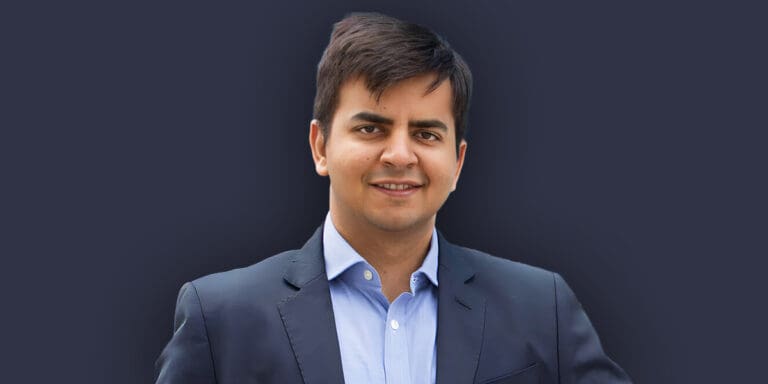
Last month, Ola Electric received approval from SEBI for its IPO, following the submission of its Draft Red Herring Prospectus (DRHP). The company aims to raise Rs 5,500 crore ($660 million) through the issuance of new shares and an offer for sale of up to 84,941,997 shares. Led by Bhavish Aggarwal, Ola Electric was valued at $5.5 billion during its most recent equity round in October of last year. However, reports indicate that the company is seeking a lower valuation of $4.2-4.4 billion for its IPO.

Ola Electric has secured over $1 billion in equity and debt funding from investors including SoftBank, Temasek, Blue Investments, DIG Investments, Tiger Global, and the State Bank of India (SBI).

For the fiscal year ending in March 2024, Ola Electric reported revenue of Rs 5,009.8 crore from operations and a net loss of Rs 1,584.4 crore. In the previous fiscal year (FY23), the company’s revenue was Rs 2,631 crore with losses amounting to Rs 1,472 crore.

In June, Ola Electric led the electric two-wheeler market with sales of 36,716 units, capturing a 44% market share. TVS, Bajaj, and Ather Energy followed, according to data from Vahan.

A report mentioned that Ola Electric has shelved its electric car project to concentrate on electric scooters and motorcycles.

Paytm Awaits Government Approval for Rs 50 Crore Investment in Payment Aggregator Arm

The inter-ministerial panel responsible for evaluating investments linked to China has not yet approved Paytm’s proposal to invest in its payment aggregator arm, according to a senior government official on Friday.

Financial Services Secretary Vivek Joshi informed that the proposal is still being reviewed by the panel, which is expected to make a decision soon.

Struggling Paytm has proposed a Rs 50 crore investment in its wholly-owned subsidiary, Paytm Payment Services Ltd (PPSL). One 97 Communications Ltd (OCL), Paytm’s parent company, has Chinese investments.

The panel, consisting of officials from the ministries of foreign affairs, home, finance, and industries, is examining whether OCL’s investment in PPSL complies with FDI guidelines. Once approved by the panel, Paytm can seek a payment aggregator licence from the RBI, Joshi added.

Following the panel’s approval, the Reserve Bank of India will review their proposal and decide on granting the licence.

Paytm Payments Services Ltd applied for a payment aggregator licence in November 2020 under the RBI’s guidelines on Regulation of Payment Aggregators and Payment Gateways. However, the RBI rejected PPSL’s application in November 2022, instructing the company to resubmit it in compliance with Press Note 3 under FDI rules.

EvolutionX Debt Capital Shifts Focus to India’s Booming Private Credit Market

0

EvolutionX Debt Capital Pte., a joint venture between Temasek Holdings Pte. and DBS Bank, is refocusing its investment strategy from China to India. This shift aims to capitalize on the rapidly expanding private credit market in South Asia. The Singapore-based debt financing platform plans to allocate up to 70% of its $500 million private credit fund to India, as stated by partner Rahul Shah. The firm is targeting high double-digit returns over an investment horizon of three to four years.

The reallocation of funds is driven by macroeconomic concerns in China, prompting EvolutionX to increase its investment in India. Despite global warnings about risks in the direct lending market, private credit is gaining traction in India. The country’s robust economic growth is drawing investors, in contrast to China’s struggling economy.

Launched in 2021, the EvolutionX fund was initially designed to invest in tech and tech-enabled companies in India, China, and Southeast Asia. Originally, the plan was to allocate 40% of the fund’s assets to India and an equal proportion to China. So far, the fund has invested around $300 million across seven companies, many of which are based in India.

As the first fund approaches its investment limit, EvolutionX is preparing to launch a second fund. The company is also exploring new funding strategies, including tax-related payouts, employee stock option buybacks, and mergers and acquisitions. These new approaches aim to further diversify and strengthen their investment portfolio.

IndiGo Reports 12% Profit Decline Amid Rising Fuel Costs and Expenses in Q1

IndiGo, the nation’s largest airline, reported a nearly 12% drop in profit after tax, amounting to Rs 2,728.8 crore for the quarter ending in June. This decline is attributed to higher fuel and other operating expenses. Despite a total income increase of 18%, reaching Rs 20,248.9 crore in the first quarter of the current financial year, overall expenses surged by 24% to Rs 17,444.9 crore, largely driven by the rise in fuel costs.

In comparison, IndiGo’s parent company, InterGlobe Aviation, recorded a profit after tax of Rs 3,090.6 crore in the June 2023 quarter. Excluding foreign exchange impacts, the carrier’s profit after tax for the latest June quarter was Rs 2,786.3 crore. The previous year’s total income for the same period was Rs 17,160.9 crore.

The airline’s expenses, including fuel costs, increased by 24%, with fuel expenses specifically rising by 22.7% to Rs 6,416.5 crore for the quarter ending in June 2024. The year-ago period saw total expenses at Rs 14,070.2 crore.

Aircraft and engine rentals rose significantly to Rs 624.1 crore in the latest quarter from Rs 194.6 crore in the same period last year. The load factor, indicating seat occupancy, decreased to 86.7% from 88.6% a year earlier.

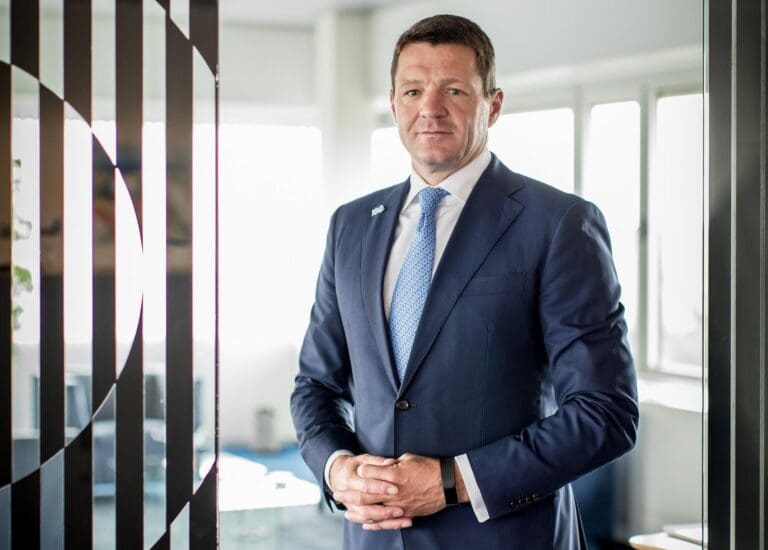
IndiGo CEO Pieter Elbers expressed satisfaction with the quarterly performance, highlighting an 18% growth in total income to Rs 202.5 billion and a net profit of Rs 27.3 billion, resulting in a solid margin of around 14%. As of the end of June, the airline’s fleet comprised 382 planes, including 18 aircraft on wet lease.

Next-Gen Supply Chain: Transforming for Enhanced Customer Retention – Insights by Akash Joshi

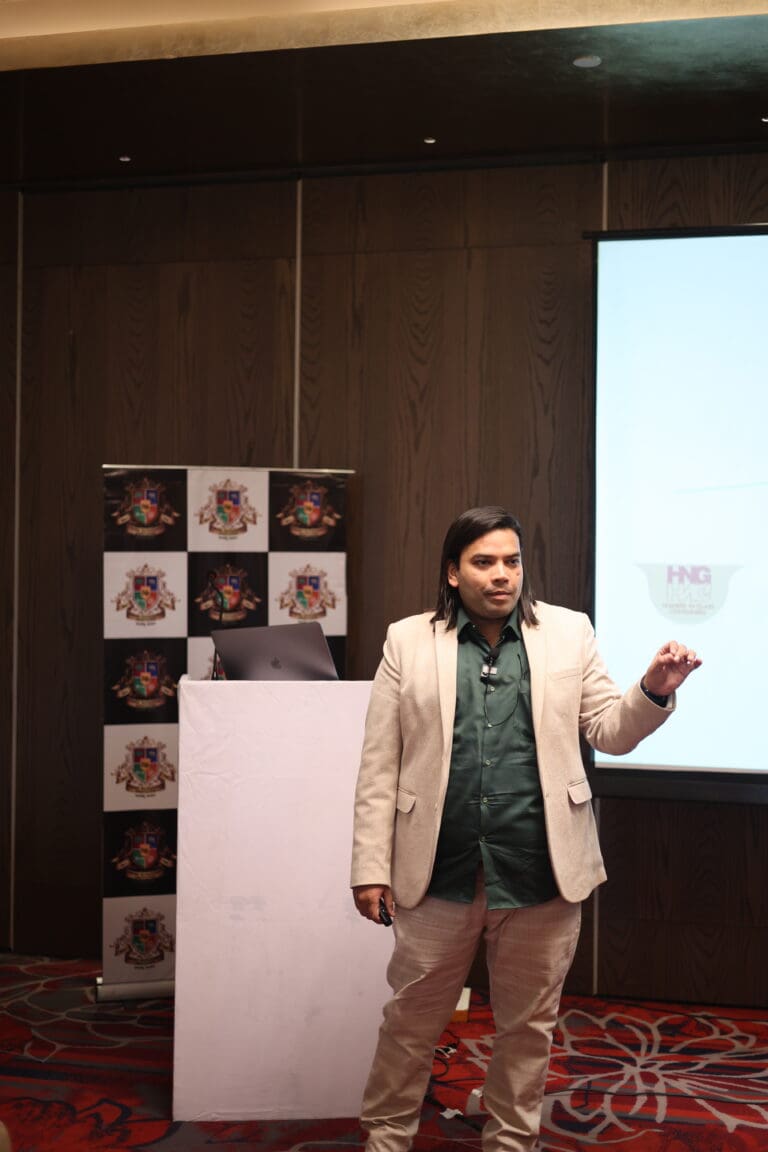
On July 19, 2024, Akash Joshi, CEO of IMAST Operations Private Limited, delivered an insightful talk at the Indore Management Association (IMA) on the topic “Enhancing Supply Chain Efficiency and Customer Retention through Integrated Technology.” This Management Development Program (MDP) aimed to shed light on the importance of leveraging integrated technology to optimize supply chain processes and improve customer retention.

The Role of Integrated Technology in Supply Chain Management

Supply chain management has evolved significantly with the advent of new technologies. Integrated technology plays a crucial role in streamlining operations, reducing costs, and enhancing efficiency. During his talk, Akash Joshi emphasized the need for businesses to adopt integrated solutions that connect various components of the supply chain, including distributors, retailers, influencers, customers, and sales staff.

Key Points Covered:

  1. Digital Transformation in Supply Chains:
    • Akash highlighted how digital transformation is reshaping supply chains. Technologies like IoT, AI, and blockchain are enabling real-time tracking, predictive analytics, and secure transactions.
  2. Improved Visibility and Transparency:
    • Integrated technology provides end-to-end visibility across the supply chain. This transparency helps in identifying bottlenecks, improving inventory management, and ensuring timely deliveries.
  3. Enhanced Collaboration:
    • With integrated platforms, different stakeholders in the supply chain can collaborate more effectively. This leads to better communication, faster decision-making, and improved overall performance.
  4. Data-Driven Decision Making:
    • The importance of data analytics in supply chain management cannot be overstated. Akash discussed how integrated systems collect and analyze data to provide actionable insights, helping businesses make informed decisions.
  5. Customer-Centric Approach:
    • Understanding customer needs and preferences is vital for retention. Integrated technology allows businesses to gather customer data, personalize experiences, and build stronger relationships.
  6. Loyalty Program Importance in Supply Chain:
    • Akash emphasized the significance of loyalty programs in the supply chain. Effective loyalty programs not only boost customer retention but also enhance the relationship between businesses and their partners, such as distributors and retailers. By incentivizing repeat purchases and fostering brand loyalty, companies can create a more stable and predictable demand.
  7. Integrated Solutions Importance in Supply Chain:
    • Integrated solutions are crucial for seamless supply chain operations. Akash elaborated on how these solutions unify various supply chain functions, from inventory management to order fulfillment, creating a cohesive system that improves efficiency and reduces redundancies.

The Changing Definition of Customers

One of the highlights of Akash’s talk was his discussion on the evolving definition of customers at various stages of the supply chain. He explained how the concept of the customer changes from distributors to retailers, influencers, and end consumers. Recognizing these different customer types and their unique needs is essential for creating effective strategies.

IMAST’s Integrated Solutions

Akash Joshi also shared insights into IMAST’s integrated solutions, which have been instrumental in helping businesses optimize their supply chains. IMAST offers a range of SaaS-based solutions, including Distributor Management System (DMS),Sales Force Automation (SFA), After Sales Service Management, Lead Management CRM, Customer Loyalty Solution, Influencer Loyalty Program, and Channel Loyalty Solution. These platforms are designed to connect all dots in the supply chain, providing meaningful data and insights. For more details, visit www.imast.in.

Benefits of Integrated Technology

  1. Cost Reduction:
    • By automating processes and improving efficiency, businesses can significantly reduce operational costs.
  2. Increased Efficiency:
    • Integrated systems streamline workflows, reduce manual errors, and accelerate processes.
  3. Better Customer Retention:
    • Enhanced customer experiences and personalized services lead to higher retention rates.
  4. Scalability:
    • Integrated technology solutions are scalable, allowing businesses to grow without compromising on efficiency.

Conclusion

Akash Joshi’s talk at the Indore Management Association was a testament to the transformative power of integrated technology in supply chain management. By embracing these innovations, businesses can enhance efficiency, reduce costs, and build lasting customer relationships. As the CEO of IMAST Operations Private Limited, Akash Joshi continues to lead the way in providing cutting-edge solutions that drive success in the modern business landscape. For more information about IMAST’s offerings, visit www.imast.in.

Google Teams Up with ElectricPe to Revolutionize EV Charging in India

Google has joined forces with Indian startup ElectricPe to enhance the electric vehicle (EV) charging experience. This collaboration will enable Google Maps users throughout India to access real-time information on the availability and status of EV charging points. This feature will facilitate better journey planning and help alleviate range anxiety. It will be available on both Google Maps and Google Search, with plans for future expansion to additional regions.

ElectricPe, an EV charging aggregation platform, has secured $8.29 million in funding to date from investors including Blume Ventures.

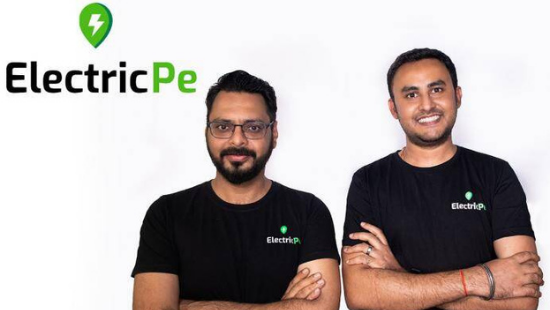
Founded in May 2021 by Avinash Sharma and Raghav Rohila, ElectricPe connects users to a network of charging stations across India. Through its app, users can scan QR codes to charge their vehicles and complete transactions seamlessly. The company has also partnered with Hero Electric to install charging stations in residential complexes, commercial buildings, and various other locations across India.

Based in Bengaluru, ElectricPe boasts the largest network of public chargers in the city, with over 25,000 units in operation.

Market research forecasts that India will have over 5 million public charging stations by 2030.

In a related development, Google recently announced a significant reduction in the pricing of its Google Maps platform for developers in India, cutting rates by up to 70% starting August 1. This price drop follows a call from Aggarwal for Indian startups to consider local alternatives like Ola Maps.

Mayhem Studios Secures Investment from Lumikai to Scale Game Development and Expand Team

Mayhem Studios, a mobile game development company under MPL (Mobile Premier League), has recently secured an undisclosed investment from Lumikai. The investment platform, Lumikai, is supported by a consortium of investors including Peak XV Partners (formerly Sequoia India), Steadview Capital, Truecaller, Hashed Emergent, Base Partners, and Moore Strategic.

Previously, in April of the prior year, Mayhem Studios raised $20 million during its Series A funding round, led by its existing investors.

The newly acquired funds will be directed towards scaling operations, speeding up game development, expanding the developer team, and enhancing technological capabilities, according to a press release from Mayhem Studios.

Founded in 2022 by Ojas Vipat, Mayhem Studios is known for its gaming platform and is currently working on its flagship title, “Underworld Gang Wars” (UGW), a AAA battle royale game. UGW incorporates elements of Indian culture and aesthetics into its gameplay, featuring notable Indian locations, unique characters, and culturally relevant themes to deliver a distinctive and immersive experience.

The Bengaluru-based company announced that it exited the closed beta phase of the game in May and is gearing up for an open beta. With 7.5 million registrations on its platform, Mayhem Studios continues to make significant strides in the gaming industry. Other notable startups in this sector include Ubisoft, Zynga, Playsimple, Moon Frog, and Playmotion.

Lumikai, known for its focus on interactive media and gaming, has previously invested in prominent startups such as Bombay Play, Elo Elo, All Star Games, Supernova, Autovrse, and Vobble.