Home Blog Page 96

SEBI Approves IPOs for SoftBank-backed FirstCry and Unicommerce

FirstCry, the prominent kids-focused omnichannel retailer, and Unicommerce, an ecommerce SaaS startup, both backed by SoftBank, have received final approval from the Securities Exchange Board of India (SEBI) for their initial public offerings (IPOs).

FirstCry initially filed its draft red herring prospectus (DRHP) in December last year but had to refile in April this year following regulatory directives. The IPO plans include a fresh issue of equity shares amounting to Rs 1,816 crore and an offer for sale (OFS) of up to 54,391,592 equity shares. The company disclosed revenue of Rs 4,814 crore and net losses of Rs 278 crore until Q3 FY24 in its revised DRHP.

On the other hand, Unicommerce filed its DRHP in January this year and plans to raise funds through an offer for sale (OFS) of up to 2,98,40,486 equity shares, without any fresh issue of shares.

SEBI’s recent approvals for FirstCry and Unicommerce mark a significant step as both companies prepare to enter the public market. Earlier, SEBI also approved the IPO of Ola Electric, another SoftBank-backed entity aiming to raise Rs 5,500 crore ($660 million).

The IPO landscape in India has been active this year, with several internet companies already listed and others awaiting regulatory approval, including Mobikwik, Swiggy, and Avanse. Logistics startup Blackbuck, online meat marketplace Zappfresh, and electric scooter manufacturer Ather are also expected to pursue IPOs soon after their recent conversions into public entities.

This flurry of IPO activity underscores the robust investor interest in Indian startups and tech-enabled businesses, positioning them for significant growth opportunities in the public market.

Purplle Secures $120 Million Funding Led by ADIA; Announces $6 Million ESOP Buyback

Purplle, the online marketplace for beauty and grooming products, has successfully raised Rs 1,000 crore (approximately $120 million) in its latest funding round led by a subsidiary of the Abu Dhabi Investment Authority (ADIA), along with participation from other investors.

Founded and led by Rahul dash and Manish Taneja, Purplle operates not only as a marketplace but also markets its own labels such as Good Vibes, catering to beauty needs across tier II, III, and micro-markets in addition to metro cities.

The funding round comprises a mix of primary and secondary shares, although Purplle has not disclosed its current valuation, estimates place it between $1.2 billion to $1.3 billion, according to media reports.

In addition to the funding, Purplle has unveiled its largest-ever Employee Stock Ownership Plan (ESOP) liquidity program worth Rs 50 crore ($6 million). The company has distributed ESOPs to 320 employees to date, with 85 employees having already liquidated ESOPs totaling Rs 75 crore ($9 million) through three previous buyback programs.

Purplle claims operational profitability and has reported significant growth, quadrupling its Gross Merchandise Value (GMV) over the past three years. The company aims to accelerate growth on its online platform, expand offline stores, and enhance profitability moving forward.

For the fiscal year ending March 2023, Purplle reported operating revenue of Rs 475 crore, alongside a loss of Rs 230 crore, as per data from startup intelligence platform TheKredible. In the preceding fiscal year (FY22), the company reported revenue of Rs 219 crore with losses amounting to Rs 203 crore.

This funding round marks Purplle’s second secondary transaction within a year, following JSW Ventures’ exit in October 2023, acquired by Manipal Education & Medical Group Family Office (MEMG).

Zomato to Appeal Rs 9.5 Crore Tax Demand by Karnataka Commercial Tax Authority

Zomato, a prominent player in food delivery and quick commerce, disclosed receiving a tax demand notice totaling Rs 9.5 crore from the Karnataka commercial tax authority. This sum includes interest and penalties and relates to an audit of GST returns for the financial year 2019–20.

In response, Zomato has confirmed its intent to appeal the order, expressing confidence in its position. “We believe that we have a strong case on merits, and the company will be filing an appeal against the order before the appropriate authority,” stated Zomato in a regulatory filing.

The tax demand primarily concerns the availability of excess input tax credit, with Zomato asserting that it had provided comprehensive clarifications and supporting documentation during the audit process. Despite the notice, Zomato assured stakeholders that it anticipates no significant financial impact from this development.

This is not the first instance of Zomato facing tax scrutiny. In April 2023, the company received a tax notice amounting to Rs 11.82 crore related to GST on export services. Similarly, in April 2024, another demand of Rs 23 crore was issued for excess input tax credit under GST regulations.

Zomato remains proactive in addressing these tax matters, emphasizing its commitment to contesting adverse rulings to safeguard its financial interests and operational integrity.

A Breath of Fresh Air: Karban Envirotech’s Airzones are Redefining Indoor Climate Control

Karban Envirotech Pvt. Ltd co-founder, Tanya Goyal exclusively shared her vision with Startup77 regarding the pioneering Karban Airzone, emphasizing its evolution and innovation in home climate solutions.

What inspired you to start Karban Envirotech? Could you share the pivotal moment or insight that led to its creation?

Tanya Goyal : The inspiration for starting Karban Envirotech came from a realization about the inefficiencies and safety concerns associated with traditional air circulation devices, particularly in homes with low ceilings. My extensive background in aerodynamics and a passion for innovation led me to explore better solutions. The pivotal moment was when I saw an opportunity to combine air circulation, purification, and lighting into one efficient and aesthetically pleasing product, leading to the creation of Karban Airzone.

Karban Envirotech’s mission focuses on reducing electricity bills and minimizing environmental impact. How did you develop this vision, and what drives your commitment to sustainability?

Tanya Goyal : Our vision developed from the understanding that modern consumers seek products that are not only functional but also environmentally responsible. Our homes are cluttered with multiple consumer appliances for airflow circulation which in total increases plastic and energy consumption. The commitment to sustainability is driven by the desire to reduce environmental impact by combining various functionalities into one product and providing consumers with products that save on electricity bills and enhance their quality of life.

The Karban Airzone is an innovative product. What were some of the key challenges you faced during its development, and how did you overcome them?

Tanya Goyal : One of the key challenges was engineering the product to meet our high standards of safety, efficiency, and multifunctionality. Developing a bladeless design that integrates air purification and lighting while maintaining powerful airflow was complex. We overcame these challenges through extensive research, prototyping, and iterative testing. Collaboration with experts in various fields also played a crucial role in refining the product.

Could you elaborate on the technology behind the Karban Airzone’s dual zone flow and bladeless design? What sets it apart from other climate control devices in the market?

Tanya Goyal : Karban Airzone’s dual zone flow technology ensures personal thermal comfort by allowing users to tailor the airflow on both sides of the fan. The bladeless design enhances safety, especially in homes with children and low ceiling heights. Bladeless design also reduces noise levels. What sets it apart is the integration of air purification and elegant lighting, making it a multifunctional device that addresses multiple needs simultaneously.

How do the biodegradable filters of the Karban Airzone contribute to your overall sustainability goals? What other eco-friendly practices are integral to your product design and company operations?

Tanya Goyal : The biodegradable filters align with our sustainability goals by reducing waste and environmental impact. A HEPA filter is made up of plastic fibers and takes 1000 years to decompose. On the contrary, our biodegradable filters are made up of natural fibers. They efficiently capture pollutants and can be easily replaced without harming the environment. Other eco-friendly practices include using energy-efficient components and optimizing manufacturing processes to minimize waste.

The Karban Airzone aims to enhance comfort while being energy-efficient. How do you balance these two aspects, ensuring that users get maximum comfort without compromising on energy savings?

Tanya Goyal : Balancing comfort and energy efficiency is achieved through advanced aerodynamic principles like CFD which let us optimize airflow while reducing energy consumption. By allowing multifunctionality in one product, we are able to reduce overall energy consumption. Additionally, features like adjustable speed control and remote operation allow users to tailor the settings to their comfort needs without excessive energy use. Our focus on high-quality, energy-efficient components ensures optimal performance.

Reducing carbon footprints is a key goal for Karban Envirotech. How do your products contribute to this, and what measures do you take to ensure your operations are environmentally friendly?

Tanya Goyal : Our homes are equipped with various consumer appliances, which are all made up of plastic and consume a lot of energy. By providing multifunctionality into one product, we aim to reduce plastic consumption as well as become more energy-efficient. This can significantly reduce the carbon footprint of our consumers. We also aim to reduce wastage in our manufacturing process and use environmentally friendly practices to further reduce our carbon footprint.

What are your long-term goals for Karban Envirotech in terms of environmental impact? Are there any upcoming initiatives or products that align with these goals?

Tanya Goyal : Our long-term goals include becoming a leader in multifunctional home appliances (Ultra Appliances) to reduce environmental impact. Karban is planning to introduce new products in the near future which will help us achieve this goal. We will also be working towards increasing more environmentally friendly practices and materials in our manufacturing process.

We learn a lot from our consumers and thus try to incorporate those in our product ideology and manufacturing. Similarly, we had recently launched a product, Karban Airzone Lite, which is not only meant for low ceiling heights but has various use cases. It can be used as a standalone system on the floor, hung from the ceiling, or mounted on the wall. This was only achieved by customer feedback and learning.

What are your future plans for Karban Envirotech? Are there any upcoming features or expansions that users and stakeholders can look forward to?

Tanya Goyal : Future plans for Karban Envirotech include developing new generations of our products with advanced features such as smart home integration, improved airflow, easy-to-use remote control, and enhanced robustness. We also aim to expand our market reach globally and increase our product offerings to meet diverse consumer needs. Users can look forward to continuous innovation and improved product performance. We are also looking to drive sales through offline channels and create more experience centers to enhance their experiences.

How important is community engagement for Karban Envirotech, and what initiatives do you undertake to educate and involve the community in your mission?

Tanya Goyal : Community engagement is crucial for Karban Envirotech. We believe in educating consumers about the importance of sustainability and how they can contribute to environmental conservation.

Comet Raises $5 Million in Series A Funding Led by Elevation Capital

Comet, the direct-to-consumer sneaker brand based in Bengaluru, has successfully raised Rs 42.3 crore (approximately $5 million) in its Series A funding round. Elevation Capital spearheaded the investment with Rs 33.36 crore, joined by existing investors Nexus Ventures and AngelList India contributing Rs 8.34 crore and Rs 60 lakhs respectively.

The funding, detailed in a regulatory filing accessed from the Registrar of Companies, involved issuing 10 equity shares and 50,076 Series A CCPS at an issue price of Rs 8,445 each. These funds will support Comet’s capital expenditures, marketing efforts, and general corporate initiatives as outlined in their business plan.

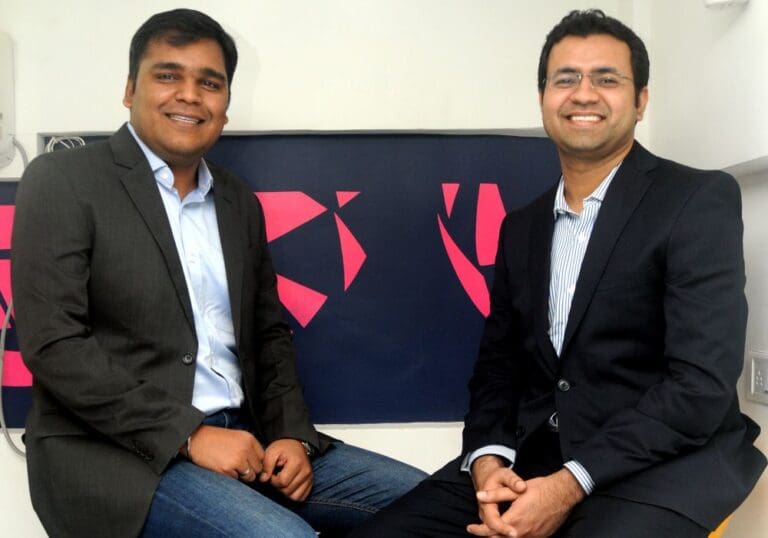
Founded in July 2023 by Dishant Daryani and Utkarsh Gupta Comet focuses on lifestyle sneakers for both men and women, retailing through its own website and featuring products such as CometX, Aeon, and Slides.

Looking ahead, Comet targets a total addressable market (TAM) of $22 billion, with a serviceable addressable market (SAM) projected to reach $1.5 billion by FY 2030. The company competes with both domestic brands like Wrong, HRX, and Redtape, as well as global giants including Nike and Adidas.

Following this Series A round, Elevation Capital and Nexus Ventures will each hold 20% of Comet, with AngelList India commanding 2.22% of the company’s capital structure. This funding round marks a significant milestone for Comet as it continues to expand its market presence and product offerings in the competitive footwear industry

TIFIN Launches MyFi: AI-Powered Investment Assistant Enters Indian Market

TIFIN, a leading US-based fintech platform, has made its debut in India with the introduction of MyFi, a conversational AI assistant designed to offer personalized investment guidance. MyFi utilizes research-driven investment intelligence and AI models to deliver tailored advice based on users’ investment portfolios.

Founded in 2018 by Vinay Nair, an IIT-Madras graduate, TIFIN recently raised USD 109 million, valuing the company at USD 842 million. With over 260 employees globally, including a significant presence in India, TIFIN aims to leverage MyFi to empower Indian investors with sophisticated yet user-friendly financial tools.

Kiram Nambiar, co-founder and CEO of MyFi, expressed that MyFi, inspired by TIFIN’s successful magnifi platform in the US, aims to transform wealth management outcomes in India. He highlighted that the platform is registered with SEBI as a Registered Investment Advisor (RIA), ensuring full compliance with applicable regulatory standards.

Vinay Nair underscored MyFi’s significance in facilitating well-informed financial decision-making among Indian investors. Nair elaborated that MyFi is tailored specifically for the Indian market, leveraging TIFIN’s global expertise to simplify investment decisions and eliminate uncertainty

The platform, compatible with Android and iOS, caters initially to existing mutual fund investors in India, with plans to expand its services to new investors in the future. Nambiar highlighted the growing investor community in India, citing statistics from the Association of Mutual Funds in India (AMFI).

Nambiar added that MyFi offers a subscription-based model starting at Rs 299 per month, providing accessible investment solutions customized to individual needs. He emphasized that the platform’s introduction signifies TIFIN’s strategic dedication to improving financial outcomes with innovative AI-driven solutions in the Indian market.

Growth Sense Secures $600,000 Funding Led by Marquee Angel Investors and Micro VCs

Growth Sense, a dynamic ecosystem supporting startups, has successfully closed a funding round, raising $600,000. The investment was spearheaded by prominent angel investors, micro VCs, and seasoned industry veterans. Notably, existing investors in Growth Sense have witnessed significant wealth growth, marking a remarkable 3.5x increase over the past year.

Founded by industry stalwarts Jimish Kapadia, Sanjay Sarda, and Sushant Bhasin, Growth Sense addresses diverse challenges within the startup ecosystem. The company offers comprehensive support to startups at various stages, from inception to advanced growth phases, through its ventures including Growth Metaverse (technology services), Growth Circle Creatives (advertising and branding), and Growth Associates (legal and compliance services).

Growth Sense operates on a distinctive model aimed at creating wealth, where its expert team collaborates closely with startups as virtual co-founders, facilitating their journey towards success.

Aiming to establish a trusted platform for investors, Growth Sense plays a pivotal role in identifying potential unicorns and guiding startups towards achieving this status through strategic consulting and mentorship. The company has also developed an inclusive platform inviting experts to contribute actively to startup growth.

Moreover, Growth Sense has introduced a Growth Fund designed to enable angel investors to invest in a curated selection of startups. The fund features advantages such as flexible investment amounts, straightforward entry and exit options, rigorous due diligence, detailed business plan analysis, and minimal monitoring stress.

Among its portfolio companies are notable startups like Klass Room (edtech), Tarrakki (wealth management), Homversity (hostel booking), Deciwood (consumer electronics), Bulkpe, BizPay, IndusUno, Tulua, Beep, and Charisma School.

Cautio Raises Rs 6.5 Crore in Pre-Seed Funding Led by Antler and 8i Ventures

Video telematics startup Cautio has secured a pre-seed funding round of Rs 6.5 crore led by Antler, 8i Ventures, and AU Small Finance Bank, as announced on Monday. The investment, a combination of equity and debt, also saw participation from early adopters of Cautio’s technology and angel investors.

Pranjal Nadhani, Co-founder & CTO of Cautio, highlighted the significance of the funding, stating, “With the backing of Antler, 8i, and AU, we are poised to expand our efforts in deploying state-of-the-art safety solutions nationwide.”

Cautio specializes in offering cost-effective video telematics products designed to address safety concerns prevalent in India. Their solutions include customizable dash cam devices and an AI-powered operating system aimed at enhancing driver accountability, improving conduct, and reducing revenue loss. The company adopts an API-first strategy to facilitate seamless integration.

Nitin Sharma, Partner at Antler, emphasized the transformative potential of Cautio’s approach, noting, “Cautio goes beyond mere data capture to deliver actionable insights that enhance driver behavior, elevate safety standards, and pave the way for autonomous driving technologies.”

Ankit Acharya, Co-founder & CEO of Cautio, highlighted the urgency of their mission, particularly in India, which faces significant road safety challenges.

The funding will enable Cautio to further innovate in the field of video telematics, bolstering their capabilities to tackle road safety issues and advance towards their vision of safer roads through technology.

Pepul Secures $4M in Pre-Series A Funding to Expand Social Media and SaaS Platforms

Pepul Tech Pvt Ltd, a Chennai-based startup, has successfully secured $4 million in a pre-Series A funding round aimed at accelerating the growth of its two primary products: Pepul, a B2C social media platform, and Workfast.ai, a B2B SaaS platform.

The investment round was led by a prominent family office based in Tamil Nadu, alongside participation from existing investors, although the specific family office was not disclosed by Pepul. According to data from Tracyn, previous investors in Pepul include Hourglass Venture Partners and notable entrepreneur Girish Mathrubootham.

Suresh Kumar G, Founder and CEO of Pepul, expressed enthusiasm about the support received from respected entrepreneurs and investors who share confidence in their team and vision. He noted that the funding process progressed swiftly following productive discussions and office visits.

Originally conceived as a positive social media platform, Pepul has evolved into a dynamic application focusing on career development and job opportunities. It provides users with access to mentorship, job listings, internships, and curated career content.

Meanwhile, Workfast.ai emerged from Pepul’s internal needs for enhancing communication, collaboration, and project management. This B2B SaaS platform aims to optimize project and task management processes, enhancing team efficiency and agility for medium and large enterprises.

With a current workforce of 40 employees, Pepul envisions itself as a future multi-billion-dollar enterprise through the expansion of Workfast.ai over the next five years. The platform’s offerings are designed to meet the growing demand for streamlined corporate solutions and career advancement opportunities.

This funding round marks a significant milestone for Pepul Tech Pvt Ltd, positioning the company to further innovate within the realms of social media engagement and enterprise software solutions, thus solidifying its footprint in the tech industry landscape.

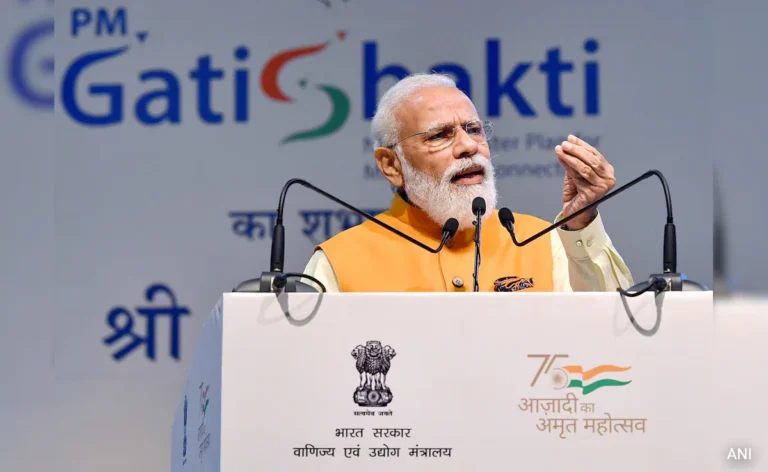
PM Gati Shakti: Revolutionizing India’s Infrastructure Landscape, Morgan Stanley Reports

In a recent report, Morgan Stanley has commended India’s PM Gati Shakti scheme for its significant impact on infrastructure development, marking a pivotal moment in the nation’s growth trajectory.

Launched by Prime Minister Narendra Modi in October 2021, the scheme integrates 16 key ministries, including Railways and Roadways, onto a digital platform aimed at facilitating integrated planning and coordinated implementation of infrastructure projects.

The Morgan Stanley report underscores India’s robust progress in infrastructure development over the past decade, highlighting a strategic increase in investment that is not only more targeted but also poised to enhance productivity across sectors. It predicts that India’s infrastructure investment will rise from 5.3% of GDP in F24 to 6.5% by F29, reflecting a robust 15.3% Compound Annual Growth Rate (CAGR).

Key achievements under the PM Gati Shakti scheme include significant improvements in logistics efficiency, as highlighted by the World Bank’s Logistics Index Report for 2023. For instance, India’s average Container Dwell Time at ports stands at three days, outperforming several developed nations like the USA and Germany. Moreover, the Ports’ turnaround time has reached an impressive 0.9 days, further underscoring India’s strides in enhancing operational efficiency within its logistics sector.

The scheme’s holistic approach spans “7 engines” crucial for infrastructure development: roads, railways, airports, ports, mass transport, waterways, and logistic infrastructure. This comprehensive strategy aims to provide seamless connectivity for the movement of goods, services, and people across various modes of transport, thereby bolstering economic integration and efficiency.

Initiatives under PM Gati Shakti have already yielded tangible results, with 101 projects worth Rs 609 billion identified for implementation in the ports and shipping sectors alone. These initiatives are integral to enhancing India’s port connectivity and operational capacity, driving further growth in the sector.

As India continues to implement the PM Gati Shakti scheme, its transformative impact on infrastructure development is expected to play a crucial role in positioning the nation as a global leader in economic resilience and sustainable growth. With ongoing investments and strategic initiatives, India is poised to leverage its strengthened infrastructure backbone to propel future development and prosperity across the country.