Home Blog Page 111

Waabi Raises $200M for Autonomous Trucking with Backing from Uber, NVIDIA, and Others

Waabi, a Toronto-based startup specializing in self-driving trucks, has raised $200 million in an oversubscribed Series B funding round. This investment brings Waabi’s total funding to over $280 million. Leading the round were existing investors Uber and Khosla Ventures, with participation from new investors such as NVIDIA, Porsche, and Volvo Group Venture Capital.

Waabi is pioneering the use of generative AI in the autonomous trucking sector, aiming to minimize the need for extensive on-road testing. The company’s Copilot4D system uses AI to predict future LiDAR point clouds from past observations, akin to how large language models predict text. This capability allows Waabi’s system to handle unforeseen road situations efficiently, requiring less training data and compute resources.

Founder and CEO Raquel Urtasun highlighted Waabi’s swift progress towards deploying fully autonomous trucks by 2025. The company’s Waabi World simulator generates diverse scenarios for thorough testing, enhancing the system’s safety and performance.

Strategic partnerships, such as the integration of NVIDIA’s DRIVE Thor platform and collaboration with Uber Freight, underscore the industry’s confidence in Waabi. NVIDIA’s CEO Jensen Huang and Uber’s CEO Dara Khosrowshahi both praised Waabi’s scalable, efficient AI-first approach.

The funding will support Waabi’s expansion plans in North America and the launch of driverless trucks in 2025. Addressing issues like driver shortages and supply chain inefficiencies, Waabi’s technology is poised to revolutionize the logistics industry. With regulatory challenges for autonomous passenger vehicles, Waabi’s focus on self-driving trucks represents a strategic and promising shift in the autonomous vehicle sector.
Alyve Health Secures $5.5M in Series A Funding to Enhance Health Tech Platform

0

Alyve Health, a health tech startup based in Mumbai, India, has successfully raised $5.5 million in Series A funding. The round was led by Axilor Ventures with participation from 1Crowd Fund and Inhealth Ventures. Additionally, the company secured venture debt funding from Trifecta Capital as part of this financing round.

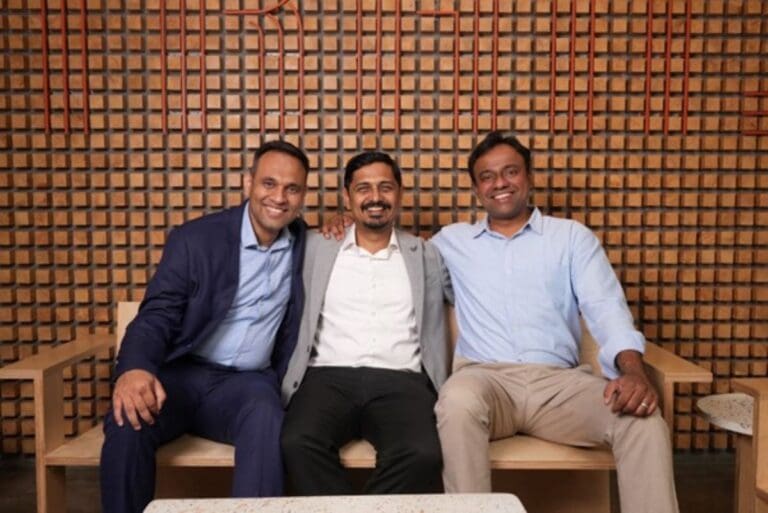
Founded in May 2020 by Shashank Avadhani, Sushant Roy, and Vineet Mehta, Alyve Health is a comprehensive health-plan-tech platform that offers a wide range of healthcare services to individuals, employers, and businesses. The platform’s health plans encompass various healthcare journeys including doctor consultations, diagnostics, medicine purchases, dental procedures, gym memberships, and proactive well-being initiatives. Alyve Health aims to provide a seamless, cashless experience and assured care for both preventive and curative health needs.

The fresh capital will be utilized for strategic growth initiatives focusing on platform enhancement, talent acquisition, expansion of operations, amplification of services, and increasing member engagement. Currently, Alyve Health serves over 1 million members through its mobile app and web portal, offering services like Customized Health Plans, Outpatient Medical Care, 24/7 Doctor Consultations, Diagnostic Scans, Annual Health Check-Ups, Habit Coaching, Lifestyle Improvement, and Personalized Programs.

Alyve Health’s platform integrates seamlessly with various stakeholders in the healthcare ecosystem, including payers (insurers and TPAs), intermediaries (brokers, financial institutions, and digital platforms), and providers (clinics, diagnostic centers, and fitness studios). This integration allows Alyve to offer tailored solutions to different groups such as employees, customers, and channel partners.

Shashank Avadhani, co-founder and CEO of Alyve Health, emphasized that the funding will enable the company to further disrupt traditional healthcare models by offering more personalized, customer-centric healthcare solutions. The Indian healthcare industry, which was valued at over $370 billion in 2020, is projected to grow to over $610 billion by 2026, presenting significant opportunities for innovative health tech solutions like those offered by Alyve Health.

Proofs Secures $2.6M to Accelerate Proof-of-Concept Development with AI

Proofs, a startup revolutionizing the proof-of-concept phase in software sales through advanced AI models, has successfully raised $2.6 million in pre-seed funding. The investment round was spearheaded by Earlybird Digital East Fund, with significant contributions from Expeditions Fund, Step Function Ventures, RTP Global, and several angel investors.

Operating out of San Francisco and Warsaw, Proofs addresses the traditionally slow and costly process of developing proof-of-concept applications for potential customers. Building these applications for API-based products usually takes weeks to months and costs tens to hundreds of thousands of dollars. Currently, companies manage to create proof-of-concept apps for merely 1% of their prospects, a figure that Proofs aims to drastically improve.

The company was co-founded by Bartek Pucek and Zbigniew Sobiecki, both seasoned Polish entrepreneurs. Bartek, an experienced angel investor, has partnered with notable firms like Sequoia, a16z, and Y-Combinator in ventures such as ElevenLabs, Zeta Labs, Ramp, and Wordware. Zbigniew has extensive experience founding and leading tech companies, including Lite E-commerce, one of Poland’s largest e-commerce platforms. The duo also co-founded Forward Operators AI Lab, delivering AI/ML services to clients like Google, Decathlon, and Ten Square Games.

Proofs’ team comprises veteran software engineers and AI researchers. The newly secured funds will be used for product development, talent acquisition, and go-to-market preparations, with a strategic focus on mid-market and enterprise customers in the US.

Bartek Pucek, co-founder and CEO of Proofs, highlighted the significant challenges faced by API-based companies in building proof-of-concept apps, which often lead to overworked engineering teams and a high churn rate in the pre-sales process. He noted that Proofs addresses these challenges by reducing the costs by tenfold and automating the process, thus enhancing conversion rates and sales margins.

Mehmet Atici, partner at Earlybird Digital East Fund, emphasized the innovation that Proofs brings to API-first companies by streamlining sales processes and integrations, potentially transforming the software development and sales landscape.

With strong investor backing and a clear vision, Proofs is poised to significantly impact the way software companies develop and deploy proof-of-concept applications, paving the way for more efficient and cost-effective sales processes.

Shivalik Small Finance Bank Raises Rs 100 Crore Led by Sorin Investments and Lightspeed

Shivalik Small Finance Bank has secured Rs 100 crore in equity funding in a round co-led by Sorin Investments, the venture capital firm of Sanjay Nayar, and Lightspeed. Existing investors Accel and Quona also participated in this funding round.

The funding will be utilized by Shivalik Small Finance Bank to strengthen its technological infrastructure, strengthen its team, and enhance its product offerings, with a specific focus on serving small businesses and underserved segments.

Founded in 1998 by Yashvir Kumar Gupta, Shivalik Small Finance Bank holds the distinction of being the first small finance bank in India to transition from an urban cooperative bank.

The bank serves over 8 lakh unique customers across 175 branches located in Uttar Pradesh, Uttarakhand, Madhya Pradesh, Delhi NCR, Haryana, Rajasthan, Gujarat, Telangana, Karnataka, Maharashtra, and Tamil Nadu.

Anshul Swami, Managing Director and CEO of Shivalik Small Finance Bank, expressed enthusiasm about leveraging digital banking to expand their reach among small business owners and retail customers across India.

Mandar Dandekar, Partner at Sorin Investments, highlighted the strategic alignment between Sorin’s investment philosophy and Shivalik’s growth strategy. Sorin sees substantial opportunities in the financial services sector, particularly in enhancing access to financial services in rural and semi-urban areas.

The investment reflects a broader trend of increasing credit flow to MSMEs under priority sector lending norms, as evidenced by recent data from the Reserve Bank of India. In April 2024 alone, MSMEs secured Rs 24.6 lakh crore in gross bank credit, marking an 18.1% increase from the previous year.

Bira 91 Parent Company Secures $25 Million from Kirin Holdings, Completes $50 Million Fundraising Round

B9 Beverages, the parent company of craft beer brand Bira 91 and restaurant chain The Beer Cafe, has successfully raised $25 million through external commercial borrowing (ECB) from Kirin Holdings, marking the completion of a $50 million fundraising round.

Bira 91 was established in 2015 by Ankur Jain. The funding round, initiated earlier this year, saw Bira91 secure $25 million in March from Tiger Pacific Capital, which acquired approximately 4% of the company, valuing it at approximately $625 million.

Kirin Holdings, an existing investor in B9 Beverages, opted to provide the ECB in two tranches of $12.5 million each, according to regulatory filings. Additionally, Kirin Holdings has the option to convert these ECBs into Series D Compulsorily Convertible Preference Shares (CCPS) at a later date, as disclosed by sources from TheKredible.

B9 Beverages, headquartered in Delhi, has raised over $450 million from investors including Peak XV, Sixth Sense Ventures, and others to date. The company reported a revenue of Rs 824 crore for FY23, reflecting a 14% increase from Rs 719 crore in FY22. However, during the same period, Bira 91’s losses widened by 12%, increasing from Rs 396 crore to Rs 445 crore.

The funds raised will support Bira 91’s expansion initiatives and enhance its market presence amidst competitive pressures in the craft beer industry. The company operates across multiple markets, serving a diverse range of beer variants through a network of manufacturing units and distribution channels.

Ugro Capital Raises Rs 1,265 Crore Through CCDs and Warrants to Boost MSME Lending

Ugro Capital, a prominent Non-Bank Financial Company (NBFC) specializing in Micro, Small, and Medium Enterprise (MSME) lending, has successfully completed a significant equity capital raise totaling Rs 1,265 crore through Compulsory Convertible Debentures (CCDs) and warrants.

Ugro Capital secured approval from shareholders on June 1, 2024, for the issuance of CCDs worth Rs 258 crore and warrants amounting to Rs 1,007 crore. These funds are pivotal for Ugro Capital to further its mission of leveraging data technology to provide tailored financial solutions to MSMEs across India.

The CCDs and warrants were subscribed by a consortium of investors, underscoring robust market confidence in Ugro Capital’s business model and growth prospects. Notably, existing private equity investor Samena Capital contributed Rs 500 crore through warrants, joined by institutional investors including Aregence and several prominent Indian family offices.

Under the terms of the subscription, investors are required to pay 25% of the issue price upon allotment, with the remaining balance due within 18 months. This structured payment approach ensures financial discipline while providing immediate capital infusion to fuel Ugro Capital’s expansion initiatives.

Shachindra Nath, Founder and Managing Director of Ugro Capital, expressed gratitude for the strong investor support amidst market fluctuations, emphasizing that the capital raise demonstrates investors’ trust in Ugro Capital’s strategy and operational prowess. He highlighted Ugro Capital’s goal of becoming a preeminent data-driven lending institution, accessible to public market investors while effectively supporting the growth aspirations of MSMEs across India.

With partnerships established with 13 banks and financial institutions, Ugro Capital has facilitated co-lending arrangements amounting to Rs 3,295 crore, supporting over 78,000 MSMEs with customized financial solutions. This comprehensive approach underscores Ugro Capital’s commitment to driving inclusive growth and fostering economic resilience within India’s vibrant MSME sector.

In conclusion, Ugro Capital’s successful capital raise through CCDs and warrants not only bolsters its financial foundation but also reinforces its position as a catalyst for MSME empowerment through innovative and sustainable financial solutions.

**End of Article**

Ixigo Makes Strong Stock Market Debut with 48.4% Premium on IPO Listing

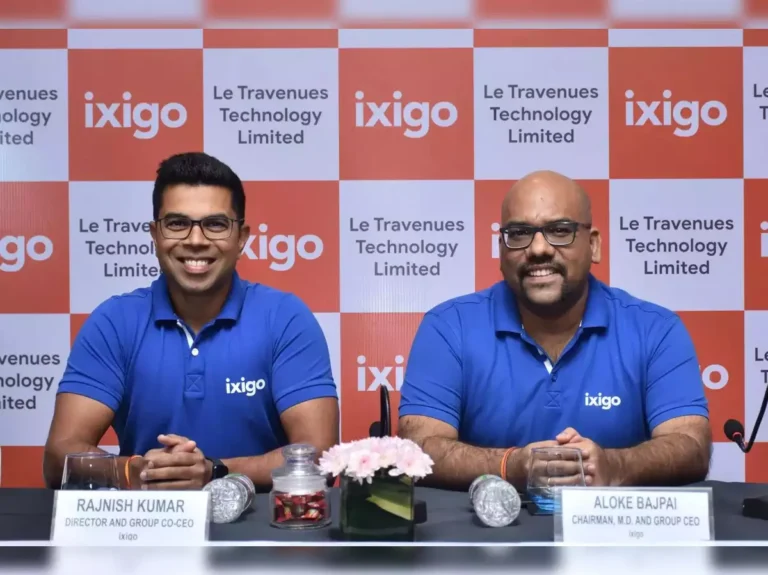
Le Travenues Technology, founded by Aloke Bajpai and Rajnish Kumar, the parent company of popular travel aggregator Ixigo, marked a remarkable debut on the stock exchanges. The IPO listing saw Ixigo’s shares open at ₹138.10 on the NSE, reflecting a substantial 48.4% premium over its issue price of ₹93 per share. Similarly, on the BSE, the stock debuted at ₹135, representing a 45.1% premium.

The initial trading hours saw Ixigo’s shares further appreciate, reaching ₹148.13 by 10:30 am, marking a 7.26% increase from the listing price. The company’s market capitalization swiftly climbed to ₹5,760.9 crore, underscoring investor confidence and enthusiasm surrounding the IPO.

Ixigo’s IPO, which closed recently after being oversubscribed 98.34 times, garnered significant interest across investor categories. Notably, non-institutional investors subscribed 110.53 times, while qualified institutional buyers (QIBs) showed robust demand with a subscription rate of 106.73 times. Retail investors also demonstrated strong participation, subscribing 54.85 times.

The IPO comprised a fresh issue of shares worth ₹120 crore and an offer for sale (OFS) of 66.68 million shares amounting to ₹620 crore. Proceeds from the IPO are earmarked for bolstering cloud infrastructure, technology enhancements, working capital needs, potential acquisitions, and general corporate purposes.

Founded in 2006, Le Travenues Technology operates multiple online travel agency platforms, including Ixigo for trains and flights, Confirmtkt, and abhibus. The company reported robust financial performance, with FY2022-23 witnessing a net profit of ₹23.3 crore against a net loss in the previous fiscal year. Revenue for FY2022-23 stood at ₹501 crore, marking a significant increase from ₹379 crore in FY2021-22.

In light of its strong market debut and robust subscription figures, Ixigo’s listing underscores its resilience and growth prospects in India’s competitive online travel sector. As the company continues to expand its market presence and capitalize on post-pandemic travel trends, investors are optimistic about its future trajectory.

EV Startup Fisker Files for Bankruptcy Amid Production and Financial Challenges

Fisker Inc., the electric vehicle (EV) startup founded by renowned designer Henrik Fisker, has filed for Chapter 11 bankruptcy protection, marking a significant downturn for the California-based company. The move comes after months of struggling with numerous issues surrounding its flagship vehicle, the Ocean SUV, including recalls and multiple legal challenges under lemon laws.

The company, which filed in the Delaware Court, had been attempting to negotiate a deal with another automaker in a final effort to salvage its operations. According to the bankruptcy filing, Fisker estimates its assets to be between $500 million and $1 billion, with liabilities ranging from $100 million to $500 million. The filing also indicates that Fisker has between 200 and 999 creditors, including major entities like SAP, Adobe, Salesforce, and Ansys.

Fisker’s troubles began shortly after the launch of its Ocean SUV, plagued by a series of software glitches and mechanical failures reported by customers. Internally, the company faced challenges in managing customer service and financial operations, exacerbating its difficulties.

Despite efforts to conserve cash through layoffs and operational changes, including a shift away from direct sales to a dealer model, Fisker struggled to sustain its business model effectively. The company, which relied on contract manufacturer Magna to produce its vehicles, managed to deliver only a fraction of its projected output.

In a statement, Fisker acknowledged the industry-wide challenges faced by EV makers, including cash flow constraints, fundraising hurdles, and supply chain disruptions, which have collectively impacted its ability to operate efficiently.

Looking ahead, Fisker intends to pursue a sale of its assets under Chapter 11 bankruptcy proceedings, while also exploring debtor-in-possession financing with financial stakeholders. The company remains optimistic about finding a path forward despite the setbacks, highlighting ongoing discussions with potential partners and stakeholders.

The bankruptcy filing underscores the broader challenges within the EV industry, where startups face intense competition, regulatory scrutiny, and significant operational complexities. Fisker’s case joins a list of EV companies, including Proterra and Lordstown, that have encountered financial distress in recent years amid ambitious growth targets and market uncertainties.

For Henrik Fisker and his namesake company, the path to recovery will depend heavily on securing new investments and strategic partnerships to navigate the evolving landscape of electric mobility.

Ayna Raises $1.5 Million in Seed Funding to Revolutionize Product Photography with Generative AI

Bengaluru-based startup Ayna has successfully secured $1.5 million in seed funding, led by the early stage investment platform Inflexor Ventures. This funding marks a significant milestone for Ayna as it aims to enhance its AI capabilities, expand its team, and accelerate its mission to democratize high-quality product photography for businesses of all sizes.

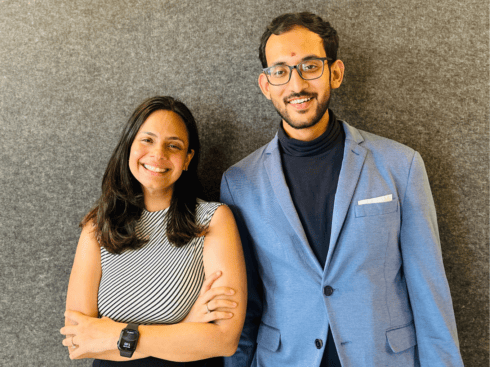
Co-founded by Aastha Rajpal and Yash Bansal, Ayna specializes in generative AI technology tailored for product photography. The startup enables brands such as Reliance Retail’s Clovia, Wakefit, and WomanLikeU to conduct studio-quality product photoshoots at scale, entirely eliminating the need for physical setups.

Ayna’s proprietary Compound Foundational Models (CFMs) distinguish it from traditional methods and basic AI solutions by providing brands with meticulous control over every aspect of their product images. This level of detail empowers brands to optimize their visuals effectively, enhancing conversion rates while minimizing costs, turnaround times, and creative constraints.

The funding round comes at a time of heightened investor interest in generative AI startups, with the sector collectively raising nearly $100 million in the past six months. Ayna joins a prestigious list of innovators in this space, including Sarvam AI, Ema, Neysa, Vodex, and KonProz, highlighting the growing significance of AI-driven solutions across diverse industries.

With this fresh infusion of capital, Ayna is poised to expand its technological capabilities and further disrupt the product photography landscape, reinforcing its commitment to delivering cutting-edge solutions that redefine visual content creation in the digital age.

In summary, Ayna’s successful seed funding round not only underscores investor confidence in its vision but also positions the startup at the forefront of transforming how brands approach and execute product photography through advanced AI innovation.

Bluestone’s Pre-IPO Funding Round: Peak XV Partners and Steadview Capital Set to Contribute ₹830 Cr

Bluestone, a prominent omnichannel jewelry brand, is on the verge of securing a significant ₹830 Cr ($100 Mn) investment in its pre-IPO funding round.

The investment is set to come from leading entities including Think Investments, Peak XV Partners, and Steadview Capital. This round, which involves a mix of share sales by early investors and new capital infusion, is expected to value Bluestone at approximately ₹7,500 Cr ($900 Mn) pre-money, as reported by ET.

Peak XV Partners is poised to inject ₹415 Cr ($50 Mn) into Bluestone, underscoring confidence in the brand’s growth trajectory and market position. The funding will comprise both primary and secondary transactions, with participation anticipated from family offices through special purpose vehicles, culminating in a deal closure in the near term.

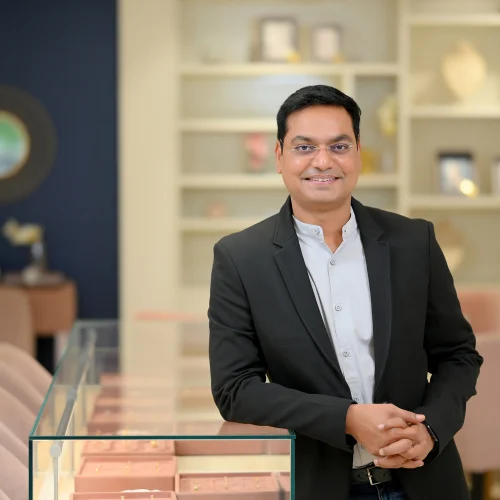
Bluestone, founded in 2011 by Gaurav Singh Kushwaha and Vidya Nataraj, has distinguished itself with a diverse portfolio of over 8,000 jewelry designs. The company’s strategic evolution has seen COO Sudeep Nagar elevated to co-founder status in recognition of his pivotal role in driving operational excellence.

The Indian jewelry industry, buoyed by substantial revenue figures approaching US$77 Bn in 2023, has positioned Bluestone favorably in comparison to global markets like China, the US, Japan, and Russia.

The upcoming funding round is expected to catapult Bluestone towards its anticipated IPO, signaling robust growth prospects and solidifying its leadership in the domestic jewelry sector.

In conclusion, with the backing of Peak XV Partners and Steadview Capital, Bluestone’s impending pre-IPO funding round represents a pivotal milestone for the brand. The infusion of capital and strategic investor support will not only bolster its valuation but also enhance its market position, paving the way for future expansion and a successful public offering.