Home Blog Page 112

Starkenn Technologies: Revolutionizing Road Safety in India

India faces a critical challenge with road safety, marked by an alarming annual incidence of over 460,000 accidents and more than 150,000 fatalities. Trucks and buses alone contribute significantly to these statistics, accounting for 12.5% of all accidents among road users.

In response to this pressing issue, Starkenn Technologies, a deeptech startup founded in June 2021 by Sumedh Badve and Swastid Badve has embarked on a mission to revolutionize road safety with its innovative Advanced Driver Assistance Systems (ADAS). Designed specifically for Indian road conditions, Starkenn’s ADAS solutions harness cutting-edge technology to detect and mitigate potential hazards effectively.

Central to Starkenn’s approach are intelligent algorithms powered by radar sensors. These algorithms are finely tuned to detect obstacles swiftly, ensuring rapid activation of safety protocols within an impressive 1.5-second timeframe. This proactive approach aims to prevent accidents before they occur, significantly reducing the human and economic toll of road incidents.

Starkenn’s ADAS solutions are not only technologically advanced but also cost-effective, catering to both OEMs and aftermarket needs. This accessibility ensures widespread adoption across various sectors, from commercial vehicles to private automobiles, thereby maximizing their impact on overall road safety.

The startup’s comprehensive product portfolio includes a state-of-the-art Collision Mitigation System featuring a patented Autonomous Emergency Braking system (AEBs), a sophisticated Driver Monitoring System equipped with AI-driven behavior prediction models, and a Cloud Platform for comprehensive data analytics and actionable insights.

Of particular note is Starkenn’s Driver Monitoring System, which integrates a dashcam to record on-road footage triggered by driver behavior alerts. This system is meticulously calibrated to address the unique challenges of Indian driving conditions, including unpredictable road markings and diverse driver characteristics.

The intelligent algorithms developed by Starkenn minimize false alarms, delivering precise warnings and enhancing overall road safety efficacy. To support ongoing innovation, the startup operates an in-house Research and Development center specializing in Embedded Hardware, Firmware, Software, and AI/ML technologies, ensuring continuous enhancement of their ADAS offerings.

In summary, Starkenn Technologies stands at the forefront of transforming India’s road safety landscape with its tailored ADAS solutions. By leveraging advanced technology and local expertise, Starkenn is committed to making roads safer, preventing accidents, and saving lives across the nation.

GreyLabs AI Secures $1.5 Million in Funding Round Led by Matrix Partners India

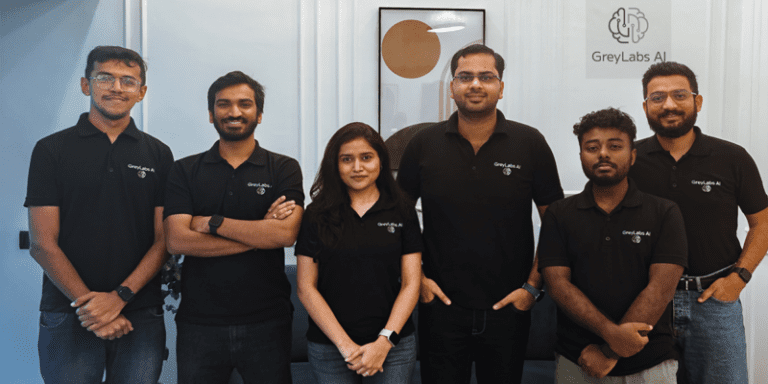
GreyLabs AI, a speech analytics platform tailored for financial institutions, has successfully raised $1.5 million in a funding round spearheaded by Matrix Partners India, a prominent early stage venture capital firm.

Among the notable participants in this funding round were Vasant Sridhar, founder of Ofbusiness, Narasimha Reddy, founder of MoEngage, Nitin Gupta, founder of Uni Cards, and Anil Goteti, founder of Scapia.

Co-founded in October 2023 by Aman Goel and Harshita Srivastava, GreyLabs AI is headquartered in Mumbai and specializes in enhancing sales agent productivity through advanced speech analytics. The platform automates the extraction of actionable insights and streamlines audit and quality assurance processes within financial organizations.

Aman Goel, co-founder and CEO, highlighted the strategic allocation of funds towards enhancing product features and expanding market reach. “We are focused on advancing our product capabilities and scaling our customer base,” he stated in an interview with ET.

The platform currently supports English, Hindi, and Hinglish, with plans underway to include additional languages such as Tamil, Gujarati, Marathi, and Telugu. This multilingual capability aims to cater to diverse linguistic needs across India and prepare for future expansion into global markets, particularly in regions like the Middle East and Southeast Asia.

Harshita Srivastava, co-founder and chief product and technology officer, emphasized the platform’s cutting-edge capabilities enabled by advancements in generative AI and speech recognition. “Our system achieves near-human level accuracy in speech analytics, leveraging the latest in AI technology,” she explained.

GreyLabs AI’s expansion plans include penetrating adjacent markets beyond India, focusing on regions facing similar challenges in leveraging data for operational efficiency and customer engagement.

Kfund Raises $75 Million for AI and Data Projects

Spanish venture capital (VC) firm Kfund has successfully raised $75 million to support technological projects across Europe. Announced on June 17, 2024, the new fund aims to assist founders working with foundational technologies such as data analytics, platform layers, and artificial intelligence (AI).

Kfund’s latest initiative, known as K3, targets a fund size of €70 million. This fund will invest in southern Europe, supporting founders from pre-seed to Series B stages. The firm aims to leverage its experience as founders and executives of technology companies to guide these startups towards sustainable growth. Kfund’s unique regional capability allows it to support ventures from their inception to significant growth phases.

The company’s presentation highlighted a market shift where successful tech companies are increasingly B2B focused. Between 2012 and 2017, only 28% of unicorns (startups valued at over $1 billion) in the UK, Germany, and France were B2B “tech enabled.” This figure rose to 60% in the subsequent five-year period, reflecting a significant trend towards business-focused technological solutions.

Kfund’s announcement comes amid a resurgence in tech investments in Europe. Earlier this month, Creandum, another private tech investor, launched a $544 million fund, marking a turnaround after a period of reduced investment. This optimism in the tech sector suggests a renewed appetite and activity across the industry, as highlighted by Creandum’s general partner, Carl Fritjofsson.

Recent analyses by PYMNTS underscore the growing importance of AI in venture capital decision-making. AI technologies enable firms to analyze vast amounts of data on startups and market trends rapidly. Steve Brotman, founder and managing partner of growth equity firm Alpha Partners, emphasized that AI augments human capabilities, helping venture capitalists sift through data and identify genuine opportunities with unprecedented precision and speed.

Kfund’s sixth fund, K3, is designed to build on the success of its predecessors, K1 and K2. These earlier funds supported a variety of successful entrepreneurs and ventures, including Factorial, Urbanitae, Exoticca, Barkibu, and Abacum. Kfund remains dedicated to high-impact projects in verticals such as AI, data analytics, edge computing, 5G connectivity, blockchain, and cloud services.

Kfund sees immense opportunities within southern Europe’s technological ecosystem. The fund manager’s investments are heavily concentrated in this region, where they believe proximity and a deep understanding of local growth challenges can significantly enhance job creation and wealth generation. Kfund has co-invested with prestigious international funds, including Creandum, Atomico, a16z, Goldman Sachs, Softbank, CRV, and Bitkraft.

General Partner Iñaki Arrola emphasized Kfund’s mission to provide the support that he wished had been available when starting his ventures. The swift market support for K3 reflects the trust that Spain’s top entrepreneurs have in Kfund. This fund aims to continue supporting ambitious entrepreneurs, helping them create impactful companies that define the future of business in southern Europe.

IN-SPACe Launches PIE Programme to Foster Early-Stage Space Startups

The Indian National Space Promotion and Authorisation Centre (IN-SPACe) has introduced an innovative pre-incubation entrepreneurship development programme, aimed at nurturing and supporting early-stage space startups in India. This pioneering initiative, known as the Pre-Incubation Entrepreneurship (PIE) programme, is designed to cultivate the next generation of space tech innovators, equipping them with the essential tools and guidance to bring their space ventures to life.

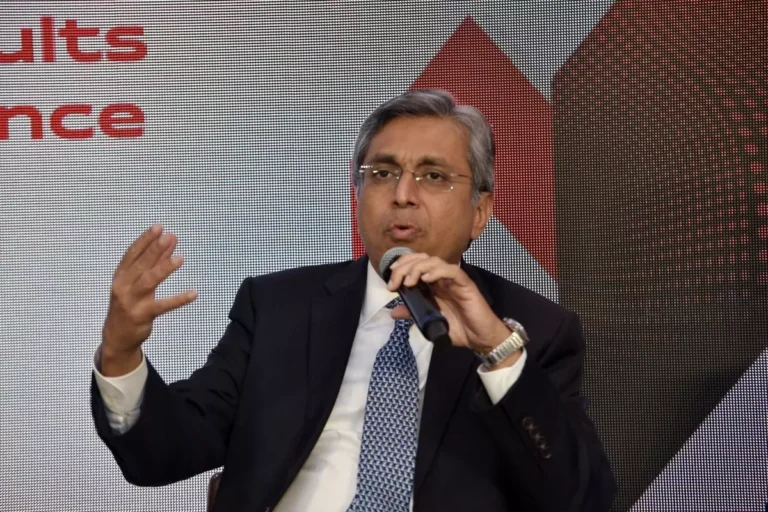
Dr. Pawan Goenka, chairman of IN-SPACe, emphasized the significance of this programme, stating, “India’s space sector is poised for exponential growth, and young entrepreneurs are crucial to driving this expansion. The PIE programme will provide a launchpad, equipping them not only with technical expertise but also with the business acumen needed to navigate the complexities of the space industry.”

The PIE programme is structured to offer a comprehensive 21-month journey for aspiring entrepreneurs, divided into distinct phases of ideation, innovation, and prototype development. This structured support ensures that budding space tech entrepreneurs receive the necessary assistance at each critical stage of their development.

Participants in the PIE programme will benefit from the opportunity to connect with seasoned mentors from leading research institutions, incubators, academia, and prominent players in the space industry. This mentorship will provide invaluable insights, feedback, and networking opportunities, fostering a culture of innovation and scientific advancement.

To be eligible for the programme, applicants must be Indian citizens graduating in 2024 or already graduates. Additionally, they should not have received any grants, funding, or monetary support from private or government schemes. All submissions must be original work. Startups registered with the Department for Promotion of Industry and Internal Trade (DPIIT) on or after July 1, 2022, are classified as early-stage startups.

The 21-month programme will guide participants through phases of ideation, innovation, and prototype development. The structured support will help entrepreneurs transform their innovative ideas into viable prototypes, ready for market launch.

The PIE programme aims to empower young entrepreneurs, enabling them to contribute significantly to India’s leadership in the global space industry. By fostering a collaborative learning environment, the programme will propel scientific advancements that generate socio-economic benefits, contribute to broader economic development, and create new job opportunities in India’s burgeoning space sector.

As India’s space sector continues to grow, initiatives like the PIE programme are crucial in unlocking the potential of innovative minds, ensuring that the country remains at the forefront of space technology and exploration. This strategic support from IN-SPACe is set to play a pivotal role in shaping the future of space startups in India, driving forward the next wave of technological and scientific breakthroughs.

Paras Healthcare Prepares for IPO to Expand and Provide PE Investor Exit

Paras Healthcare, a prominent hospital chain based in Gurugram, India, is gearing up to file draft papers for an Initial Public Offering (IPO) by the end of this month, according to reports from The Economic Times. This strategic move is primarily designed to facilitate an exit for its private equity (PE) investor, Creador, while also supporting the expansion of its hospital network.

The anticipated IPO, estimated to raise between Rs 10 billion ($120 million) and Rs 12 billion ($140 million), is set to value Paras Healthcare between Rs 40 billion and Rs 45 billion. The proceeds will predominantly serve to provide an exit for Creador, which holds a significant stake in the company, with a smaller portion allocated for the development of new hospital facilities.

Leading the IPO process, Paras Healthcare has appointed ICICI Securities, IIFL, and Motilal Oswal as the merchant bankers. Despite multiple requests for comments, the company has remained tight-lipped regarding the upcoming public issue.

Paras Healthcare’s relationship with Creador began in July 2017, when it raised Rs 2.6 billion through Compulsorily Convertible Preference Shares (CCPS). These shares were converted into equity in September 2018, granting Creador a 24.68% stake in the healthcare company. Under their agreement, Paras Healthcare is obligated to buy back the shares at fair market value after a stipulated period, which was extended due to the COVID-19 pandemic. The company’s revenue reportedly exceeded Rs 10 billion in the last financial year, indicating a strong financial performance ahead of the IPO.

Established in 2006 by Dr. Dharminder Nagar, Paras Healthcare operates eight multi-specialty hospitals, providing a total of 2,100 beds across North and East India. The hospital chain is set to grow further, with plans to add 800 more beds over the next two to four years through new facilities in Gurugram and Ludhiana. Notably, while the Gurugram and Udaipur hospitals are owned by the company, the remaining facilities operate on an asset-light model, utilizing long-term real estate leases.

Paras Healthcare specializes in several major medical fields, including cardiac sciences, neurosciences, orthopaedics, oncology, and gastroenterology. The bulk of its revenue is derived from its hospitals in Gurugram, Patna, and Panchkula, which have established themselves as key markets for the company.

Blackbuck Transitions to Public Company in Strategic Move Toward IPO

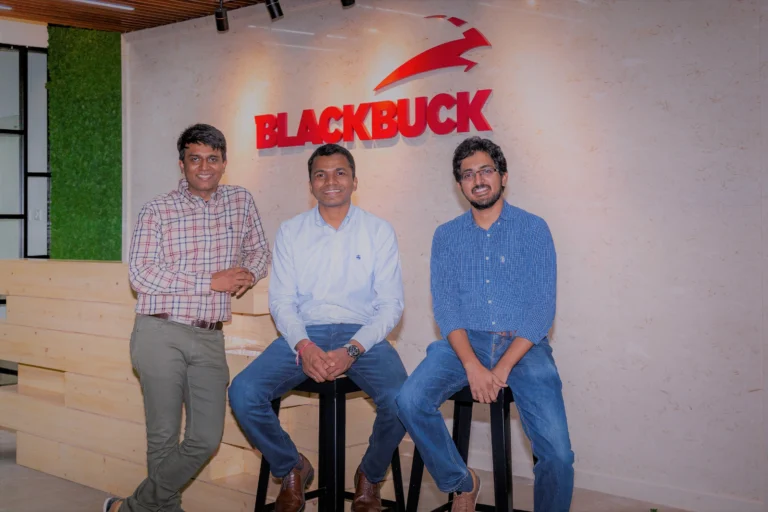
Bengaluru-based logistics platform Blackbuck , founded by Rajesh Yabaji, Chanakya Hridaya, and Ramasubramaniam B , known for its innovative B2B logistics solutions, has made a significant transition from a private entity to a public company, marking a crucial step towards its anticipated Initial Public Offering (IPO). The company’s board recently passed a resolution approving this change, transforming Zinka Logistics Solutions Private Limited into Zinka Logistics Solutions Limited. This strategic decision is poised to enhance Blackbuck’s fundraising capabilities, allowing it to attract a broader spectrum of investors to fuel its growth aspirations.

Blackbuck, established nine years ago, has carved a niche in long-haul trucking logistics, catering to both large enterprises and medium and small enterprises (MSMEs). Over the years, the company has successfully raised over $350 million, with a noteworthy $67 million Series E round led by Tribe Capital, IFC Emerging Asia Fund, and VEF. This influx of capital propelled Blackbuck into the prestigious unicorn club, highlighting its potential and market position.

Data from TheKredible, a startup intelligence platform, reveals that Accel is the largest external stakeholder in Blackbuck, holding an 18.58% share. Other significant stakeholders include Quickroutes International and Sans Capital Growth. The company’s co-founders, Rajesh Yabaji, Chanakya Hridya, and Ramasubramaniam Balasubramaniam, collectively own 26.82% of the firm.

Despite its impressive fundraising achievements, Blackbuck has faced financial challenges. The company’s revenue from operations fell by 15.5%, from Rs 833 crore in FY22 to Rs 704 crore in FY23. However, Blackbuck has managed to slightly reduce its losses, reporting Rs 290 crore in FY23 compared to Rs 285 crore in FY22. The annual report for FY24 is yet to be filed, which will provide further insights into the company’s financial trajectory.

Looking ahead, Blackbuck aims to launch its IPO in the second half of FY25, targeting up to $300 million in capital. This move will place Blackbuck among the few tech companies pursuing an IPO despite experiencing a revenue decline over the past three fiscal years (FY21 to FY23).

The broader market has seen several new-age internet companies going public in 2024, including TBO Tech, Digit Insurance, and Awfis. Ixigo is slated to list on June 18, with other notable firms like Ola Electric, MobiKwik, and FirstCry preparing for their public debuts later in the year.

Mahindra Group Explores Global Partnerships for Battery Cell Production in India

Mahindra Group is actively exploring collaborations with global players to establish local production of battery cells in India, aiming to meet the anticipated surge in demand for electric vehicles (EVs) in the coming years.

Anish Shah, Managing Director and CEO of Mahindra Group, revealed in an interaction with PTI that the company is evaluating partnerships to ensure robust domestic manufacturing capabilities for critical EV components.

Shah emphasized that the initiative could involve partnering with global technology firms and potentially private equity partners to share the capital investment required for establishing cell manufacturing facilities in India. He underscored the strategic importance of indigenizing production processes to strengthen the country’s EV ecosystem.

Regarding the timeline for such initiatives, Shah mentioned that Mahindra is looking at opportunities in the 2030 timeframe, reflecting the company’s long-term vision for sustainable mobility solutions in the Indian market.

Mahindra Group plans to invest Rs 37,000 crore over the next three years across various business verticals, with a significant portion allocated to the automotive sector. The company aims to introduce a diverse range of vehicles, including nine internal combustion engine (ICE) SUVs, seven battery electric vehicles (BEVs), and seven light commercial vehicles by 2030.

In addressing consumer preferences and market dynamics, Shah highlighted Mahindra’s readiness to adapt its product portfolio to include hybrid models if consumer demand warrants it. However, he emphasized that government incentives should be purpose-driven and justified, particularly concerning hybrids, which may not offer significant environmental advantages over pure EVs.

GoCodeo: Transforming Software Testing with AI Innovation

In the bustling tech hub of Bengaluru, India, a revolutionary startup is making waves in the software development industry. Founded in 2023 by Meghana Jagadeesh and Jatin Garg, GoCodeo is set to redefine white-box software testing through the power of artificial intelligence. With an ambitious mission to help developers produce stable, bug-free code, GoCodeo leverages an ensemble of Large Language Models (LLMs) to detect and eliminate software bugs early in the development lifecycle.

GoCodeo offers a suite of AI-driven tools designed to integrate seamlessly with existing development workflows, making it easy for developers to adopt early testing techniques such as unit, integration, regression, and penetration testing. The AI agents not only generate tests but also execute them, identify bugs, and correct code in real-time, significantly reducing the manual effort typically required in software testing.

Despite being unfunded, GoCodeo’s innovative approach has quickly garnered attention. With 15,000 developers across 40 countries and 150 companies already using the platform, the startup is poised for rapid growth. The platform’s ability to integrate with Continuous Integration (CI) and Continuous Deployment (CD) pipelines makes it a valuable tool for businesses aiming to accelerate their development processes and reduce time to market.

Meghana Jagadeesh, Co-Founder and CEO, and Jatin Garg, Co-Founder and CTO, bring a wealth of experience and passion to GoCodeo. Meghana’s expertise in AI and her vision for its potential to revolutionize software testing drive the company’s innovation. Jatin’s technical acumen ensures that GoCodeo’s solutions are robust and effective, helping developers enhance their software’s quality and reliability.

GoCodeo operates in the B2B SaaS space within the high-tech market segments, offering a CI and CD-integrated SaaS suite for businesses and an IDE extension for individual developers. It faces competition from established players like mabl, DiffBlue, and Test, GoCodeo’s unique AI-driven approach and focus on white-box testing set it apart.

The legal entity behind GoCodeo, GOCODEO AI TECHNOLOGIES PRIVATE LIMITED, was incorporated on July 26, 2023. Although the company has not yet made any acquisitions or raised funding, its innovative solutions and growing user base signal a promising future. The company has not disclosed its revenue or net profit figures, which is typical for a startup at this stage.

GoCodeo’s competitors have collectively raised over $275 million across various funding rounds, highlighting the significant interest and investment in AI-powered testing solutions. However, GoCodeo’s unique focus on white-box testing and early bug detection offers a distinct advantage in this competitive landscape.

With no institutional or angel investors yet, GoCodeo’s founders remain focused on driving the company’s growth through innovation and strategic partnerships. The startup’s mission to reduce manual testing and boost confidence in the development lifecycle resonates with many in the software industry, positioning GoCodeo as a potential game-changer in the realm of software testing.

As GoCodeo continues to evolve, its commitment to leveraging AI for superior software quality promises to transform how developers approach testing. By empowering developers with cutting-edge tools, GoCodeo is not just addressing current challenges but also shaping the future of software development.

Naturik: Revolutionizing Breakfast for a Healthier India

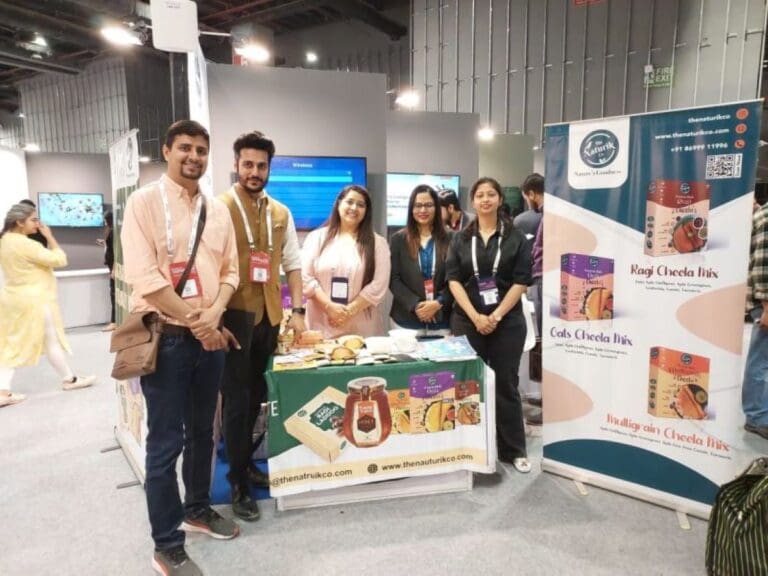
In the fast-paced world of modern India, Sahil Vohra and Isha Chadha identified a crucial gap in the market: the need for convenient, healthy breakfast options for busy professionals. They co-founded Naturik in 2022, a ready-to-cook breakfast brand, to address this issue. Sahil, an MBA graduate from FMS Delhi, brought over 17 years of experience from FMCG giants like ITC, Britannia, and Walmart. Isha, an MBA graduate from Symbiosis Pune, combined her HR background and passion for culinary innovation, gained from running food establishments like Tibbs Frankie and Giani Ice Cream.

Naturik offers high-protein, quick, and delicious breakfast options, targeting India’s working population, which often struggles with lifestyle diseases like diabetes and protein deficiency. Their products, including varieties of cheelas and masala khichdi, provide 20g of protein per 100g serving and can be prepared in just three minutes. Unlike many ready-to-cook options on the market, Naturik’s offerings contain no sugar, maida, chemicals, or preservatives.

Since its inception, Naturik has achieved significant milestones. The company, based in Mohali, India, is currently in the seed stage and has raised a total of $180K in funding from notable investors like First Founder Investment, Nitin Kaushal, and Jasginder Singh. As of March 2024, Naturik’s valuation stands at $1 million. Despite facing competition from established brands in the healthy ready-to-eat and snacking alternatives space, Naturik distinguishes itself through superior taste and nutritional value, ranking third out of 14 competitors with a Tracxn Score of 9/100.

The company operates under the legal entity WHOLESOUL CONSUMER PRODUCTS PRIVATE LIMITED and, despite its early-stage challenges, shows promising growth potential. For the fiscal year ending March 31, 2023, Naturik reported revenue of $438 and a net loss of $827, highlighting the typical early-stage hurdles but also setting the stage for rapid growth.

The market opportunity for Naturik is immense, with India’s breakfast market valued at INR 30,000 crores and the broader healthy breakfast segment valued at INR 245 lakh crores. By focusing on high-quality, nutritious products, Naturik is well-positioned to capture a significant share of this market. The founders’ extensive experience and commitment to health and convenience provide a strong foundation for growth.

Naturik’s journey hasn’t been without challenges. Gaining investor confidence and navigating market competition requires constant innovation and dedication. Yet, the founders’ extensive experience and commitment to health and convenience provide a strong foundation for growth. By offering a solution to dietary gaps and promoting healthier lifestyles, Naturik aims to transform India’s breakfast industry, catering to the needs of health-conscious consumers and contributing to the reduction of lifestyle disorders among the working population.

AWS Commits $230 Million to Support Early-Stage Generative AI Startups, Partners with Accel

Amazon Web Services (AWS) has unveiled plans to inject $230 million into supporting early-stage generative AI startups, marking a significant expansion of its global Generative AI Accelerator program.

The initiative aims to assist 80 founders and innovators worldwide, with a special focus on nurturing 20 startups from the Asia-Pacific and Japan (APJ) region. Scheduled to commence on October 1 and run for 10 weeks, the accelerator program will offer intensive technical and business training sessions covering essential areas such as machine learning, stack optimization, and effective go-to-market strategies.

Participants selected for the AWS Generative AI Accelerator will also benefit from substantial AWS credits, potentially amounting to $1 million, which can be utilized for AWS compute, storage, databases, and cutting-edge ML accelerators like AWS Trainium and AWS Inferentia2.

The program aims not only to equip startups with crucial resources but also to provide invaluable business and technical mentorship, along with networking opportunities with industry experts.

In parallel, AWS has introduced the AWS Generative AI Spotlight program tailored for pre-seed and seed-stage startups in the APJ region. In India, AWS has partnered with Accel, a prominent venture capital firm, to bolster these efforts.

Together, they aim to replicate the success of their previous collaborations such as the ML Elevate 2023 program, which supported 35 generative AI startups in India. The AWS Generative AI Spotlight program in APJ is expected to select up to 120 startups, including 40 from India, further underscoring AWS’s commitment to fostering technological innovation and entrepreneurship in the region.

Matt Taylor, Head of Startups Solutions Architecture for APJ at AWS, emphasized the transformative potential of AWS’s generative AI initiatives, citing their role in empowering startups to innovate across various sectors. Amitabh Nagpal, Head of Startup Ecosystem at AWS India, highlighted the programs’ alignment with India’s broader innovation goals, inviting eligible startups to apply and seize the opportunity to leverage AWS’s robust AI infrastructure for driving impactful change in their respective industries.