Home Blog Page 21

Hala Mobility Secures ₹51 Crore in Pre-Series A Funding to Expand EV Operations

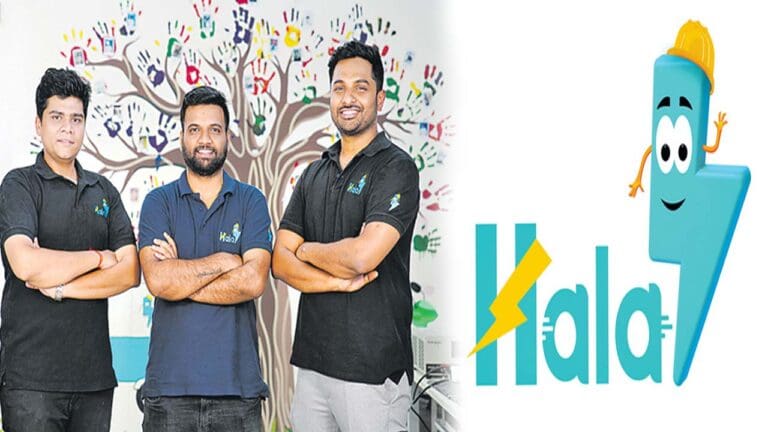
Hala Mobility, a pioneering platform in the EV-as-a-Service sector, has successfully raised ₹51 crore (approximately $6 million) in its pre-Series A funding round. The investment was led by co-founders Srikanth Reddy and Snehith Reddy, along with Phani Ramineni, the founder of Previa Health. Other contributors included the Rohan Bajaj syndicate via invstt, Sarthy Angels, Bestvantage, and a consortium of high-net-worth individuals (HNIs) and family offices.

The funding will primarily be allocated toward enhancing Hala Mobility’s electric vehicle fleet and facilitating its expansion into six new cities across India. The company aims to introduce an additional 10,000 electric vehicles by December of the following year, reinforcing its commitment to transforming urban mobility with sustainable and eco-friendly solutions.

Established in 2020 by Srikanth Reddy, Snehith Reddy Meda, and Anand Pareek, Hala Mobility offers an EV-as-a-service platform tailored for e-commerce enterprises and gig workers. The platform features a comprehensive app that integrates software for managing electric vehicles, batteries, and drivers, along with a fleet of electric two-wheelers that guarantee 95% uptime and 24/7 service availability.

Based in Hyderabad, the startup currently collaborates with major players like Bigbasket, Zomato, and Zepto, partnering with 13 scooter manufacturers and eight battery suppliers. Hala has developed a robust service network, known as S3 stations, which serves as a central hub for demand and supply.

Hala boasts a fleet of 3,000 electric two-wheelers operational in cities such as Hyderabad, Bangalore, Chennai, Vizag, Vijayawada, and Guntur, with plans to increase its fleet by 10,000 units within these urban areas.

In May 2022, Hala Mobility, which is incubated by T-Hub, raised $1 million in a pre-seed funding round from Magnifiq Securities. Earlier this year, the company also secured ₹1 crore in debt financing from Perpetuity Capital.

Cashfree Reports Rs 643 Crore in Revenue FY24

Cashfree, a key player in the digital payments sector, experienced stagnant growth for the fiscal year ending March 2024, primarily due to a ban from the Reserve Bank of India on onboarding new merchants that lasted almost a year, from December 2022 to December 2023.

According to the company’s annual financial statements submitted to the Registrar of Companies, Cashfree Payments recorded a 4.7% increase in revenue from operations, reaching Rs. 642.7 crore in FY24, compared to Rs 613.8 crore in FY23.

The absence of fresh capital inflow over the past 30 months resulted in minimal non-operating income, amounting to Rs 2.1 crore from bank deposits and tax refunds. Thus, the total revenue reported by the Bengaluru-based firm for the last fiscal year was Rs 444.7 crore. While Cashfree did not disclose a detailed revenue breakdown for FY24, its filings indicate that service sales remained the primary revenue source. Analysis suggests that Cashfree earns through transaction-based fees, which include a percentage or flat fee on payment and disbursement transactions, along with various business payout services.

Cashfree’s largest expense category was materials, which held steady at Rs. 426.6 crore. Employee benefits saw a significant rise of 23%, totaling Rs 245 crore in FY24. Additional expenses included the merchant discount rate (MDR), infrastructure, and compliance costs. Overall, the company’s total expenditures experienced a slight increase, reaching Rs. 779.43 crore in FY24. In line with its revenue performance, Cashfree’s losses marginally increased to Rs 135 crore for the last fiscal year, compared to a loss of Rs 133 crore in FY23.

Cashfree primarily competes with major players such as Razorpay, PayU, and CCAvenue. For the previous fiscal year, Razorpay’s payment gateway division achieved Rs 2,068 crore in revenue and reported a profit after tax of Rs 34 crore.

In contrast, PayU experienced a more modest revenue growth of 11%, totaling $444 million for the fiscal year ending March 2024, and also reported losses. Over its nine-year existence, Cashfree has raised around Rs 321.57 crore (approximately $42 million). Notably, the company has not secured any new capital since June 2021, when it completed the final tranche of its Series B funding. This round was initially announced in November 2020, amounting to $35 million. Sources indicate that Cashfree is currently engaged in discussions to secure fresh funding, although these efforts have not yet come to fruition.

Looking ahead, Cashfree is poised to enhance its scale in the current fiscal year as it anticipates benefits from the PA/PG and recently acquired Payment Instrument (PPI) licenses, which are expected to take effect in FY25.

4o mini

A. O. Smith Expands Portfolio with Pureit Acquisition from HUL

A. O. Smith Corporation, a leader in global water technology, has finalized its acquisition of Pureit from Hindustan Unilever Limited (HUL). Established in 2004, Pureit is recognized for its extensive range of water purification products, including purifiers, filters, and spare parts, serving markets across India, Bangladesh, Sri Lanka, Vietnam, and Mexico.

Kevin J. Wheeler, chairman and CEO of A. O. Smith, commented on the acquisition, stating, “Integrating Pureit into our operations enhances our premium product offerings and taps into their robust e-commerce capabilities, which will help us strengthen our market presence.” He emphasized that this acquisition is part of A. O. Smith’s strategy to scale its operations and broaden its distribution network in the water treatment sector.

Originating in Chennai, India, Pureit has built a reputation for ensuring safe drinking water across South Asia and beyond. The brand’s diverse product line, which includes water purifiers and accessories, has positioned it as a trusted name in water purification.

Parag Kulkarni, president of A. O. Smith Indian Water Products, expressed enthusiasm about the merger: “We are thrilled to welcome Pureit to our family. Their commitment to effective water purification has established them as a leader in the industry.” He noted that the two companies share similar values, focusing on innovation, exceptional customer service, and high-quality products. “Together, we will enhance our brand visibility and extend our impact throughout South Asia.”

Sreenivas Narayanan, general manager of Pureit, remarked on the benefits of the partnership: “Joining forces with A. O. Smith marks a major advancement for Pureit, allowing us to combine our innovative approaches and market expertise. We are eager to set new standards in water purification and enhance our mutual commitment to quality and customer satisfaction.” He concluded that this collaboration will enable Pureit to provide even more advanced and reliable solutions, addressing the changing needs of water purification in India.

Zydus Wellness Set to Fully Acquire Naturell India, Expanding its Health and Wellness Portfolio

0

Zydus Wellness has announced its intent to acquire Naturell India and its subsidiary, NIPL, marking a strategic expansion into the healthy snack market. Known for popular brands like Ritebite Max Protein, offering nutritious protein bars, cookies, and chips, Naturell India complements Zydus Wellness’ aim to broaden its presence in the health and wellness sector.

This acquisition, financed through cash, is projected to positively impact Zydus Wellness’ earnings per share (EPS) as early as the year following the completion of the transaction. Naturell, which entered the healthy snack arena in 2007, brings established, protein- and fiber-enriched products to Zydus’ growing portfolio.

Dr. Sharvil Patel, Chairman of Zydus Wellness, shared his enthusiasm for the acquisition, stating that this venture aligns with Zydus’ commitment to cater to the health-focused consumer base. “By leveraging our innovation and established brand reputation, we are set to fulfill evolving consumer health needs. This acquisition represents a strategic fit for Zydus Wellness, and we extend a warm welcome to the Naturell team,” he commented.

Zydus Wellness’ CEO and Director, Tarun Arora, highlighted the move as a forward step in their market strategy, anticipating synergies through product innovation and a strengthened presence. “We are excited to integrate NIPL into our offerings and warmly welcome the NIPL family as we drive this joint vision forward,” he said.

Naturell India’s founder, Vijay Uttarwar, expressed confidence in the partnership, noting that Zydus’ extensive distribution and marketing capabilities will elevate their product reach and growth. “Zydus Wellness brings essential scaling expertise, and we are thrilled to embark on this journey with them,” he added.

The acquisition underscores Zydus Wellness’ continued commitment to the expanding health and wellness segment, making it a promising growth step for both companies.

4o

Disney Launches New Tech Division to Drive AI and Mixed Reality Innovations

In a strategic move to enhance customer engagement and streamline emerging technologies, Walt Disney Co. has unveiled a new business unit dedicated to expanding the use of artificial intelligence (AI) and mixed reality (XR) across its diverse media and entertainment platforms. This initiative, named the Office of Technology Enablement, is set to integrate these technologies within Disney’s film, television, and theme park experiences.

The unit will be helmed by Jamie Voris, previously Disney’s Chief Technology Officer, who played a key role in creating the Disney app for Apple’s Vision Pro mixed reality headset. In this transition, Eddie Drake will assume the role of CTO for the studio, bringing fresh insights into the company’s tech evolution. Initially, the team will consist of core members but is expected to expand to around 100 employees in the near future.

“The rapid advancement of AI and XR is transforming consumer experiences and creative ventures alike,” stated Disney Entertainment Co-Chairman Alan Bergman. He emphasized the importance of exploring these technologies to stay at the forefront of innovation, while carefully considering the potential risks involved.

This unit will play a pivotal role in aligning AI and mixed reality projects with Disney’s long-term vision, ensuring that the integration of these technologies remains decentralized yet cohesive across the company’s portfolio.

Swiggy’s Journey to IPO: A Legacy Built on Memorable Ads

Since its inception in 2014, Swiggy has grown into a household name in food delivery, now gearing up for its much-anticipated IPO in 2024. Known for impactful advertising campaigns, Swiggy, like many brands born in the digital era, has relied on strategic marketing to carve its path to success. According to the latest Draft Red Herring Prospectus (DRHP) filed with SEBI, Swiggy plans to allocate Rs 1,115.30 crore from IPO proceeds for brand marketing, an increase from the earlier Rs 929.50 crore.

In the DRHP, Swiggy acknowledges that, “Continued investments in marketing initiatives may be essential as we expand operations or face competition… Additionally, evolving marketing methods could mean experimenting with new trends and tools, potentially increasing expenses.”

Swiggy’s growth story includes expanding beyond food delivery into grocery services with Instamart, parcel delivery with Swiggy Genie, and restaurant bookings through Dineout. Despite entering the food delivery market after its competitor Zomato, which launched in 2008, Swiggy has held its ground, standing today as one of the two major players.

A milestone in Swiggy’s advertising journey came in 2018, when it launched its first TV ad series crafted by Lowe Lintas Bangalore. These ads highlighted how Swiggy became the go-to choice for Indians whenever there was a call for delightful meals, marking a pivotal step in its brand evolution.


Let me know if there’s any part you’d like adjusted further!

Strengthening Data Security: Proofpoint’s Strategic Acquisition of Normalyze

In a significant move to enhance its cybersecurity capabilities, Proofpoint has announced its acquisition of Normalyze, a company renowned for its expertise in Data Security Posture Management (DSPM). The transaction, expected to finalize by November 2024, is set to fortify Proofpoint’s security platform, providing improved protection for data within intricate digital landscapes, such as cloud and hybrid environments. This acquisition underscores Proofpoint’s dedication to mitigating human-centric risks in data security.

As companies increasingly adopt artificial intelligence and cloud solutions, they face growing security challenges related to data management and classification. The advanced technology developed by Normalyze will facilitate real-time data discovery, classification, and risk evaluation, enabling organizations to proactively address data-related risks. Proofpoint anticipates that integrating Normalyze’s capabilities will help bridge security gaps associated with human interactions with data, ultimately decreasing vulnerabilities and enhancing compliance efforts.

By leveraging Normalyze’s AI-driven DSPM solutions, Proofpoint aims to provide improved data visibility and control, assisting organizations in safeguarding sensitive information across varied data environments.

Wow Skin Science Nears Profitability Goals with Strategic Expense Cuts Amid Revenue Drop

Wow Skin Science, a Bengaluru-based beauty and personal care brand, has reported a marked reduction in losses for the financial year ending March 2024, even as revenue dipped. The company’s focused cost-cutting measures led to a 22.4% drop in expenses, bringing total costs down to ₹377 crore from the previous year’s ₹486 crore.

The parent company, Body Cupid Pvt Ltd, recorded a 10% decrease in operating revenue, with earnings declining to ₹233.4 crore from ₹258.1 crore in the prior year. Despite this, Wow Skin Science managed to lower its net loss by nearly 40%, from ₹213.5 crore to ₹130.2 crore in 2023-24, according to data sourced from business intelligence firm Tofler.

Advertising and promotional spending notably fell to ₹107 crore from around ₹200 crore in 2022-23, aligning with the brand’s focus on expense reduction. However, investment in employee benefits increased by 35%, reaching ₹53.5 crore, as part of Wow Skin Science’s commitment to strengthening its workforce. “Our goal is to achieve sustainable growth, aiming for near break-even by the fourth quarter and full profitability by next year,” shared Manish Chowdhary, co-founder of Wow Skin Science. With adequate capital reserves, the brand feels confident in maintaining a strong financial trajectory in 2025.

Founded by Manish and Karan Chowdhary in 2014, Wow Skin Science offers a diverse range of products in skincare, haircare, bath, wellness, and nutrition. In 2022, the company secured $48 million in funding from GIC, Singapore’s sovereign wealth fund. Wow Skin Science competes with established brands like Nykaa, Mamaearth, and Sugar Cosmetics. Its expansion into the U.S. market, securing shelf space at retailers such as Walmart and CVS, showcases the brand’s aggressive global growth strategy.

Domestically, Wow Skin Science has experienced notable sales growth in modern trade and quick-commerce channels, leveraging platforms like Blinkit, Swiggy Instamart, and Zepto to reach customers faster. The brand is committed to expanding through these avenues while also innovating its product pipeline to include enhanced skincare and healthcare offerings.

In India’s booming beauty sector, other players such as Foxtale, Purplle, and MCaffeine continue to attract significant investments and drive revenue growth, with projections indicating that several brands may soon achieve ₹400-500 crore in revenue. The landscape for beauty and personal care is increasingly competitive as brands like Nykaa, Ajio, and Myntra rapidly scale their presence in the industry.

4o

Walmart India’s FY24 Revenue Reaches Rs 5,200 Crore with Notable Loss Reduction

Walmart India achieved a revenue of Rs 5,200 crore for the fiscal year ending March 2024, marking a 4% growth over the previous year. Operating 28 B2B Modern Wholesale Stores under the “Best Price” brand, the company notably reduced its financial losses by 68% during this period.

According to Walmart India’s financial disclosures submitted to the Registrar of Companies (RoC), the revenue rose from Rs 5,006 crore in FY23 to Rs 5,200 crore in FY24. This income was driven by wholesale trading, covering both food and non-food product segments. Additionally, Walmart India saw a 37% increase in other income, reaching Rs 5.42 crore, largely from gains on financial instruments and interest earnings from bank deposits.

The company’s primary cost was stock-in-trade purchases, which climbed by 5.7% to Rs 4,820 crore. Employee benefit costs slightly decreased to Rs 155 crore, while depreciation and amortization dropped sharply by 87%, standing at Rs 33 crore. Finance costs saw a minor increase to Rs 69.64 crore over the fiscal year.

Overall, Walmart India’s total expenditures were reduced by 2.4%, totaling Rs 5,354 crore in FY24. The company successfully controlled its losses, recording a 68% reduction with a comprehensive loss of Rs 151.91 crore after factoring in additional gains.

Walmart India also has significant involvement in e-commerce through its ownership of Flipkart, a major competitor of Amazon in the Indian market. While Flipkart’s consolidated report is pending, its marketplace division noted a 26.4% growth in gross merchandise value (GMV), exceeding Rs 70,000 crore, and reduced its losses by 13.2% to Rs 4,248 crore for FY24.

As Walmart India grows, it faces competitive pressure from organized retail giants like Reliance Retail and Metro Cash & Carry, who are actively expanding their footprints in the wholesale segment.

4o

Google India Hits Revenue Milestone with Rs 5,518 Crore in FY24, Profits Increase to Rs 1,424 Crore

Google India reported robust financial performance for the fiscal year ending March 2024, achieving a 26% increase in operating revenue to reach Rs 5,518 crore. This significant growth saw profits after tax rise by 6%, bringing the total to Rs 1,424 crore.

According to filings with the Registrar of Companies (RoC), Google India’s revenue from operations surged from Rs 4,504 crore in FY23 to Rs 5,518 crore in FY24. Additionally, the company’s other income experienced a remarkable 106% rise, reaching Rs 403 crore from Rs 195 crore in the previous fiscal, pushing total income for FY24 to Rs 5,921 crore.

Google India’s revenue streams are driven by advertising, IT-enabled services, and enterprise products. In FY24, revenue from IT services grew by 16% to Rs 2,389 crore, while advertising sales—a major contributor—rose 27% to Rs 2,954 crore. Revenue from enterprise products also saw substantial growth, climbing 57% to Rs 174 crore from Rs 111 crore in FY23. These numbers highlight Google India’s continued leadership in digital advertising and an expanding footprint in enterprise services and IT solutions.

On the expense side, employee benefits rose 10% to Rs 1,989 crore, and finance costs increased modestly by 6.4%, totaling Rs 142 crore. Asset-related costs saw slight efficiency gains, with depreciation and amortization costs reducing by 11.6% to Rs 277 crore from the previous year’s Rs 314 crore. Administrative and operational expenses marked a 31% increase, amounting to Rs 1,774 crore, which contributed to Google India’s total expenses reaching Rs 4,184.4 crore—up 16% from FY23’s Rs 3,609.4 crore.

Despite rising competition from platforms like Meta, Amazon, and regional digital advertising providers, Google India has maintained a formidable market position. With a strong portfolio of products like search, YouTube, and Google Ads, Google continues to secure high engagement and revenue growth across its ecosystem.