Home Blog Page 33

Agnit Semiconductors Secures $3.5 Million in Seed Funding to Boost Operations

Agnit Semiconductors, a Bengaluru-based Gallium Nitride (GaN) startup, has successfully raised $3.5 million in a seed round led by 3one4 Capital and Zephyr Peacock. This marks the investors’ debut in India’s semiconductor sector, with additional participation from angel investor and former Cognizant CEO, Lakshmi Narayanan. The latest funding brings Agnit’s total capital raised to $4.87 million. The company plans to utilize these fresh funds to enhance its production and scale its commercial operations.

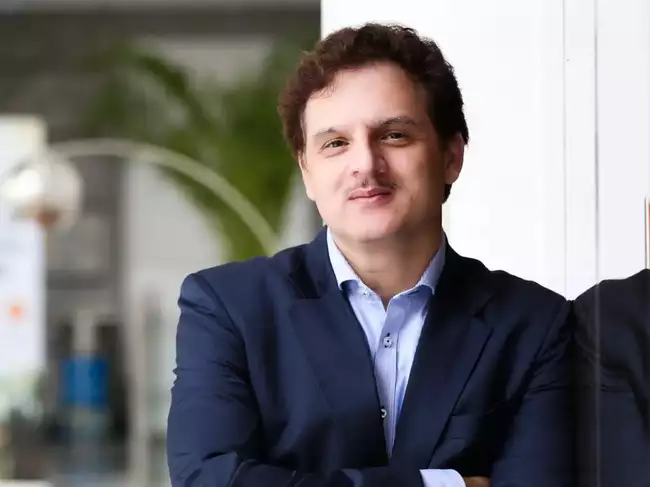
Agnit Semiconductors, founded five years ago, focuses on the development of advanced GaN semiconductors. CEO and Co-founder Hareesh Chandrasekar stated, “GaN technology holds immense potential in sectors such as 5G, fast charging, and PV inverters. With support from IISc and MeitY, we aim to further our market reach and strengthen our leadership team for continued growth.”

The company is planning to expand into new market segments, including consumer electronics and electric vehicles, with a target to sell 100,000 semiconductor chips within the next 12 months. Agnit is also aligned with India’s innovation and self-reliance drive, contributing to the country’s growing semiconductor industry.

Pranav Pai, Founding Partner and CIO of 3one4 Capital, commented, “Agnit represents a new generation of Indian deep-tech startups, built on cutting-edge research and critical technologies. Their vertical integration and patented processes provide a significant advantage in a competitive market.”

Agnit Semiconductors is one of the pioneering startups incubated at the Gallium Nitride Ecosystem Enabling Centre and Incubator, supported by the Indian Institute of Science (IISc) and funded by the Ministry of Electronics and Information Technology (MeitY). The company has also gained recognition from the Karnataka government for its innovative GaN semiconductor technology and recently signed an MoU with the Ministry of Defence under the iDEX program to develop next-gen wireless transmitters for defense applications.

Zephyr Peacock’s Managing Director, Pankaj Raina, emphasized, “Agnit has developed exceptional capabilities in GaN technology, positioning them as a key player in both the Indian and global semiconductor supply chains. We are thrilled to support their journey.”


WROGN Secures $9 Million Investment from Aditya Birla Digital Fashion

Men’s fashion brand WROGN has raised Rs 75 crore (approximately $9 million) in fresh funding from Aditya Birla Digital Fashion Ventures Ltd (ABDFVL), increasing ABDFVL’s stake in the brand from 17.10% to 32.84%, as disclosed in a stock exchange filing.

Earlier in June 2024, WROGN secured Rs 125 crore ($15 million) from TMRW House of Brands, a subsidiary of Aditya Birla Group, leading to TMRW holding a 16% stake in the company. This round of investment pushed WROGN’s valuation to approximately $105 million.

Aditya Birla Group’s TMRW division has been actively backing Indian fashion brands, including The Indian Garage Co., casualwear brand Bewakoof, athleisure label Nobero, children’s brand Nauti Nati, and denim brand Urbano, among others.

Founded in 2014 by siblings Anjana and Vikram Reddy, WROGN has become a prominent player in the casual fashion segment, offering a variety of apparel, footwear, and accessories. The brand has successfully leveraged the popularity of cricket icon Virat Kohli to expand its footprint across exclusive retail outlets and popular e-commerce platforms.

To date, WROGN has raised nearly $90 million from key investors such as Accel, Flipkart, and celebrity backers Virat Kohli and Sachin Tendulkar. Flipkart also previously invested in WROGN during a Series F round in November 2020. Interestingly, Flipkart is also a stakeholder in HRX, Hrithik Roshan’s brand, which directly competes with WROGN.

However, WROGN has faced challenges, with its revenue dropping by 29.2% to Rs 243.75 crore in FY24, down from Rs 344.3 crore in FY23. Despite cost-saving measures, losses increased by 28.2%, reaching Rs 56.76 crore in FY24 compared to Rs 44.26 crore in the previous fiscal year, largely due to declining sales.

The Indian fashion and lifestyle sector, valued at $110 billion, is the country’s second-largest consumer category, according to a report by TMRW X Bain & Company. Online sales account for $11 billion, which represents 10% of the market.

Qure.ai Reports 83% Revenue Growth, Secures $65 Million Funding in FY24

Qure.ai, a leading healthcare technology company, achieved remarkable financial growth in FY24, with its revenue soaring by 83% to reach Rs 141 crore. This success follows the completion of a $65 million funding round led by prominent investors. Alongside the revenue boost, the company reduced its losses by 38.5% during the fiscal year.

The company’s revenue from operations jumped from Rs 77 crore in FY23 to Rs 141 crore in FY24. Qure.ai is known for its AI-driven diagnostic solutions that support radiologists and physicians in identifying critical health conditions such as tuberculosis, lung cancer, and stroke. Sales from these tools contributed 87.23% of the firm’s operating revenue, which nearly doubled to Rs 123 crore during FY24. The remaining revenue was generated through the sale of healthcare products.

A significant portion of Qure.ai’s expenses came from employee benefits, which surged by 66.2%, reaching Rs 108 crore in FY24, compared to Rs 65 crore in FY23. This includes Rs 12 crore allocated to ESOP expenses, a non-cash component. Additional costs, including materials, communication, travel, advertising, legal, and other overheads, saw an 18.2% rise, bringing total expenses to Rs 201 crore in FY24, up from Rs 170 crore the previous year.

Despite the rising costs, Qure.ai’s effective cost control measures helped reduce its losses to Rs 48 crore in FY24, compared to Rs 78 crore in FY23. Although the EBITDA margin showed improvement, it remained negative at -22.73%. The company’s spending stood at Rs 1.43 to earn a rupee in FY24.

To date, Qure.ai has raised over $120 million, with the latest funding round positioning the company for continued growth. With increasing demand for its AI-powered diagnostic tools, Qure.ai is set to expand its presence in the healthcare sector, capitalizing on the growing adoption of innovative diagnostic solutions in India.

Slice Secures $8.6 Million Investment from CEO Rajan Bajaj

Consumer lending and payments platform Slice has successfully raised approximately $8.6 million (Rs 71.7 crore) through a funding round involving partly paid-up shares from its founder and CEO, Rajan Bajaj.

This latest funding follows a significant Rs 300 crore debt round the company recently completed, utilizing convertible debentures. The funding was co-led by several investors, including Taneja Family Trust, Anju Family Personal Trust, UK2 Family Trust, and MN Family Trust.

In accordance with a special resolution passed by the board, Slice will issue 22,000 equity shares priced at Rs 32,606 each, as indicated in a regulatory filing to the Registrar of Companies. The investment from Bajaj will occur in one or multiple tranches, with the funds earmarked for general business purposes.

Slice provides both physical and virtual cards tailored for millennials, enabling students and salaried professionals to make online purchases with collateral-free EMIs through its app, while also aiding users in building their credit scores.

Based in Bengaluru, Slice has amassed nearly $400 million in total funding, which includes a notable $220 million Series B round spearheaded by Tiger Global and Insight Partners. According to reports from TheKredible, Tiger Global holds the largest share in the company, followed closely by Insight Partners.

In terms of financial performance, while the figures for FY24 remain undisclosed, Slice achieved remarkable growth in FY23, with revenues soaring to Rs 847 crore from Rs 283 crore in FY22—an increase of threefold. However, this growth came at a cost, as losses rose by 59.8%, reaching Rs 406 crore in FY23 compared to Rs 254 crore the previous fiscal year.

The trend of startup founders reinvesting in their ventures continues in 2024, with Yubi’s founder Gaurav Kumar recently injecting $30 million into his startup, and Oyo’s Ritesh Agarwal contributing $100 million through his entity, Patient Capital. Additionally, co-founders of EV startup Ather Energy, Tarun Mehta and Swapnil Jain, invested $10 million into their company, while the omnichannel jewelry startup Giva secured an undisclosed amount from its senior management.

Zerodha Launches Annual $1 Million Fund to Support Global Open Source Software Projects

The stockbroking platform Zerodha has officially unveiled a dedicated fund of $1 million per year aimed at providing crucial financial backing to Free/Libre and Open Source Software (FOSS/FLOSS) projects around the globe.

Kailash Nadh, the company’s chief technology officer, highlighted that Zerodha has consistently developed its financial technology products and services using a FOSS stack. He emphasized that a considerable portion of the company’s growth has been driven by these technologies, encompassing everything from programming languages and operating systems to databases, web servers, front-end frameworks, productivity tools, and code editors.

“We are thrilled to announce the launch of a dedicated fund focused on providing financial support to Free/Libre and Open Source Software (FOSS/FLOSS) projects worldwide, committing $1 million annually,” he stated.

Zerodha intends to invest between $10,000 and $100,000 in each project, with plans to increase this figure as the company gains insight into the management dynamics of the fund.

FOSS encompasses software that is free for use, modification, and distribution, with its source code readily accessible for anyone to inspect and enhance. This approach fosters collaboration and transparency. Well-known examples of FOSS include Linux, Mozilla Firefox, and LibreOffice.

To ensure the initiative operates smoothly, Zerodha will create a small, dedicated team to oversee the fund in an organized and systematic manner. This team will function similarly to an Open Source Program Office (OSPO) but will specifically focus on funding projects, effectively acting as an Open Source Funding Office (OSFO), Nadh explained.

Zepto Eyes $100-150 Million in Fresh Funding from Prominent Indian Family Offices

Zepto is in advanced talks to secure an additional $100-150 million from prominent Indian family offices and high-net-worth individuals (HNIs), including Motilal Oswal, to bolster its financial backing. This new round of funding, once closed, will push Zepto’s total capital raised to over $1.5 billion within just four months, reflecting the increasing investor enthusiasm surrounding both the company and the booming quick commerce sector.

According to sources, the Mumbai-based startup is raising this fresh round at a pre-investment valuation of $4.6 billion. Just last August, Zepto secured $340 million, bringing its valuation to $5 billion. The Motilal Oswal Group’s private wealth division is leading this funding mandate, with Motilal Oswal Asset Management Company already committing $40 million to the round.

Zepto has also garnered personal support from Raamdeo Agrawal, Chairman of Motilal Oswal Financial Services, who has invested in the startup independently. Agrawal previously participated in Swiggy’s pre-IPO placement, which generated significant interest among family offices and HNIs.

This latest fundraising effort aligns with Zepto’s strategic move to attract domestic capital ahead of its planned IPO next year. “They are targeting credible homegrown investors to strengthen their capital base before going public,” a source familiar with the discussions noted. Zepto’s growth trajectory remains strong, with the company reportedly reaching a $2 billion annualized gross sale run rate, up from $1.5 billion in May.

In India’s competitive quick commerce landscape, Zepto faces stiff competition from Swiggy Instamart and Zomato-owned Blinkit. Flipkart and BigBasket have also made significant strides in the sector, with the former launching its “Minutes” service and the latter fully pivoting to a quick commerce model.

AI Startup Alchemyst Secures Pre-Seed Funding to Drive Global Expansion

Alchemyst AI, an innovative startup in the generative AI space, has successfully raised a pre-seed funding round led by Inflection Point Ventures, with participation from 100Unicorns and Earlyseed Ventures. The newly acquired funds will be used to bolster the company’s GPU capabilities, upgrade technology infrastructure, expand operations, and support the growth of its team.

The startup, founded in 2023 by Uttaran Nayak and Anuran Roy, focuses on AI automation by developing digital employees to enhance enterprise productivity. These AI-powered digital workers are designed to perform complex tasks autonomously, creating intelligent functional solutions for mid-sized to large organizations. Alchemyst AI aims to revolutionize the way teams operate across industries by offering scalable, tech-driven workforce solutions.

With plans to expand into global markets, including India, the USA, the Middle East, and Southeast Asia, Alchemyst is positioning itself to take advantage of the rapidly growing generative AI sector. The market is projected to grow from its current $3 billion value in India and $37 billion globally to an estimated $330 billion by 2030.

Co-founder and CEO Uttaran Nayak highlighted the startup’s mission, stating, “At Alchemyst AI, we are leading the charge in creating autonomous AI employees that can interact seamlessly and perform highly intelligent tasks across enterprise teams. We are shaping the future of work, making it possible for AI to democratize the workforce without any human involvement.”

Nayak also noted that Alchemyst AI was created to address the challenges faced by companies relying on generic foundational models for workforce automation, which often slows down scalability. By leveraging its own proprietary technology, Alchemyst AI aims to provide companies with a more agile and independent AI solution.

With a focus on expanding into major markets and driving innovation in the AI landscape, Alchemyst AI is well-positioned to capitalize on the immense potential of the generative AI industry in the years to come.

AI Firm Budy Secures $4.2 Million to Boost AI Development

Budy, a California-based AI startup, has successfully raised $4.2 million (approximately ₹35.29 crore) in a funding round led by early-stage investor RTP Global. The round saw additional participation from Beenext, The Neon Fund, and notable angel investors, including Abhinav Asthana, co-founder and CEO of Postman, Raju Reddy, founder of Sierra Atlantic, and John Hayes, co-founder of Pure Storage.

The newly secured funds will be allocated toward advancing Budy’s AI capabilities, with a focus on enhancing its ability to streamline sales and marketing software for enterprises. Co-founded by Samay Kohli, who previously co-founded robotics firm GreyOrange, Budy is dedicated to simplifying the deployment and management of sales and marketing software stacks for businesses. “Budy is an AI agent that we are constantly improving to offer advanced capabilities for using various sales and marketing software packages,” said Kohli.

Founded in 2024, Budy aims to help businesses optimize their sales and marketing processes while reducing operational complexities. The company is particularly focused on providing solutions that offer value to paying customers by addressing key challenges in the sales and marketing domain.

Kohli explained that the startup is not just creating an assistant or chatbot, but rather an AI tool designed to work alongside humans and take on essential tasks. The company is currently collaborating with select enterprises through a design partnership and is targeting companies in North America with annual revenues between $25 million and $200 million.

According to Nishit Garg, a partner at RTP Global, the investment aligns with their goal of supporting innovative founders in transformative sectors like AI. “We believe Budy has the potential to redefine how enterprises manage their software, and we are excited to be a part of that journey,” said Garg.

Raju Reddy of Sierra Atlantic also expressed confidence in Budy’s vision, having worked with Kohli in the past. “Samay’s experience in scaling cutting-edge technologies will drive Budy’s success in revolutionizing enterprise software management through AI,” he added.

Newgen Software Sets Bold Revenue Target of $500 Million in Four Years

Newgen Software Technologies, based in New Delhi, has set an ambitious goal to boost its revenue to $500 million within the next 3-4 years, driven by growth in the US and Europe markets.

Currently generating $150 million annually, the mid-tier technology services company is positioning itself to capture a larger market share in the mature regions of the United States and Europe. Virender Jeet, CEO of Newgen Software, emphasized the company’s serious investment in this strategic roadmap. “We aspire to hit the $500 million mark within the next 3-4 years. We’ve laid the groundwork and are making significant investments, but market dynamics and timing will play crucial roles. We hope our strategy proves successful,” Jeet stated.

The company expects to maintain its consistent growth rate of approximately 20% in FY25. Jeet expressed confidence in Newgen’s potential but acknowledged that execution challenges could arise. “While I don’t doubt the company’s potential, sometimes execution can be a limiting factor. However, we are progressing in the right direction,” he said.

By the end of FY24, Newgen, with a workforce of around 4,400 employees, posted annual revenue of $148 million (Rs 12,438 crore), reflecting a 26% compound annual growth rate (CAGR).

For Q2 FY25, ending in September, Newgen recorded a 23% year-on-year (YoY) revenue growth, reaching Rs 361 crore. This growth was driven by license sales across key markets, including Asia Pacific (APAC), Europe, the Middle East and Africa (EMEA), and India.

The company’s net profit soared by 47% YoY, hitting Rs 70 crore, up from Rs 47.8 crore during the same period last year. Profit margins also saw a substantial increase, improving by 350 basis points to 23%, compared to 19.5% last year. The rise in margins was mainly attributed to higher license revenue, particularly in the financial services sector.

Newgen is also focusing on its health insurance and government sectors, which contribute 20% to its overall revenue. Meanwhile, the banking and financial services industry remains its largest segment, accounting for 72% of total business.

License revenue saw a notable 52% YoY growth, fueled by strong deal closures, with contract sizes ranging between $700,000 and $2 billion. In Q2 FY25, Newgen added eight new clients, with notable wins across India, APAC, and new markets in Australia and Europe.

Regionally, India and the Middle East saw a 19% revenue increase, while EMEA experienced 21% growth. The APAC region, excluding India, posted a significant 53% growth, particularly in Singapore and the Philippines, contributing 15% to Newgen’s overall business.

Currently, India and EMEA account for 30% and 33% of Newgen’s revenue, respectively, while the US market, which holds a 22% share, grew by 17%. The company is making concentrated efforts to increase its presence in the US and Europe, as these markets account for roughly 70% of its addressable market.

In the near term, growth in India, the Middle East, and APAC will remain strong, but Newgen’s long-term strategy focuses on leveraging the potential of the US and Europe as key drivers of future growth.

Jeet anticipates the US and European markets to expand further as demand cycles improve.

Temasek Eyes Major Investment in Rebel Foods, Seeks CCI Approval

Temasek Holdings is reportedly in advanced talks to spearhead a significant investment ranging from $100 to $150 million in Rebel Foods. This transaction will involve a combination of primary and secondary share sales, reflecting a valuation similar to its last funding round nearly three years ago.

The Singaporean sovereign fund is currently pursuing the necessary approval from the Competition Commission of India (CCI) for this noteworthy investment in Rebel Foods, the parent company of popular brands such as Faasos and Behrouz Biryani.

While the deal will encompass both primary and secondary sales, the secondary sale is anticipated to be valued at approximately $700 million, which is lower than its previous valuation. Notably, US-based Coatue and local investor Lightbox are expected to reduce their stakes in this round of funding.

In October 2021, Rebel Foods reached unicorn status after raising $175 million in a funding round led by Qatar Investment Authority (QIA), achieving a valuation of $1.4 billion.

The cloud kitchen segment has experienced consistent growth and is increasingly establishing a physical presence through both company-owned and franchised outlets. Many innovative, online-first brands are venturing offline to attract new customers, supported by venture capital focused on consumer brands with a retail footprint in the food and beverage sector.

Founded in 2011 by Jaydeep Barman and Kallol Banerjee, Rebel Foods operates 450 kitchens across 70 cities and its brands are available in around ten countries, including the United Arab Emirates, Saudi Arabia, and the United Kingdom.

The company has set its sights on going public within the next few years and owns several other brands, such as Oven Story Pizza, Mandarin Oak, Firangi Bake, and Sweet Truth. Additionally, it operates its own ordering platform, EatSure, which includes offline outlets and plans for further expansion. A recent report by the National Restaurant Association of India (NRAI) indicates that the cloud kitchen industry grew by 30-40% from 2019 to 2024, with an expected growth rate of 35.2% over the next four years.