Home Blog Page 36

Giva Secures ₹225 Crore in Extended Series B Funding to Expand Offline Presence and Lab-Grown Diamond Offerings

Giva, a prominent jewellery brand, has successfully concluded its extended Series B funding round, raising ₹225 crore. This investment round was spearheaded by Premji Invest, with participation from new investors Epiq Capital and Edelweiss Discover Fund, along with contributions from the company’s senior management.

This funding round consisted of 35% primary investment and 65% secondary transactions, facilitating a partial exit for existing investors A91 Partners and India Quotient. While the current valuation remains undisclosed, data from Tracxn indicated that Giva was valued at $172 million in July 2023.

The capital raised will be allocated towards expanding Giva’s offline presence throughout India and enhancing its portfolio of lab-grown diamonds. Just a few months prior, in July, the company raised ₹200 crore in its Series B round, also led by Premji Invest, with backing from existing investors like Aditya Birla Ventures, Alteria Capital, and A91 Partners.

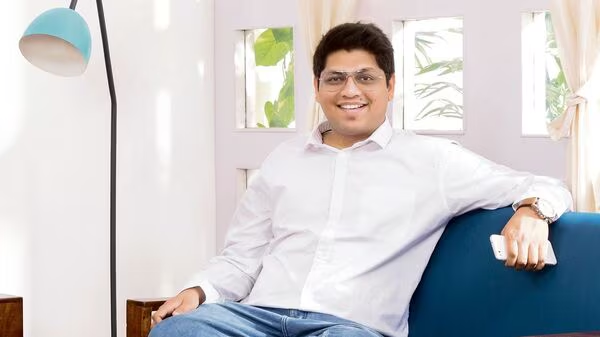
Ishendra Agarwal, the founder and CEO of Giva, shared insights into the company’s positioning as a value-driven brand for Indian women. “We aim to provide fine jewellery at accessible price points, which is the rationale behind our launch of lab-grown diamonds. The capital will primarily support our expansion efforts and our lab-grown diamond offerings,” Agarwal stated.

The surge in demand for lab-grown diamonds can be attributed to their significantly lower prices compared to natural diamonds, while maintaining similar aesthetics. Currently, Giva offers lab-grown diamonds set in gold, catering to this growing market.

Founded in 2019 by Ishendra Agarwal, Nikita Prasad, and Sachin Shetty, Giva Jewellery operates as an omnichannel brand, offering a range of products, including bracelets, earrings, necklaces, rings, and chains. Customers can shop via the Giva mobile app and website, as well as through physical stores and third-party platforms. Recently, the company expanded its reach by launching on quick commerce platforms like Swiggy Instamart, Blinkit, and Zepto.

With approximately 160 stores in India, including one in Sri Lanka, Giva has ambitious plans to open over 100 new locations annually in major cities such as Mumbai, Hyderabad, Chennai, Ahmedabad, and Kolkata. Currently, more than half of its stores are located in Bengaluru and New Delhi.

Sales distribution for Giva reflects the company’s strategic approach, with around 45% of total sales coming from its website, 40% from offline stores, and the remaining 15% through third-party platforms. Although Giva has yet to file its financial results for FY24, Agarwal indicated that the company generated net revenue of ₹255 crore and anticipates closing this fiscal year with revenues between ₹480-500 crore.

In FY23, Giva reported revenues of ₹167.1 crore, nearly doubling its earnings from ₹84.6 crore the previous year. However, losses also increased to ₹45.2 crore, compared to ₹19.1 crore during the same period, as reported by Tracxn. Looking ahead, Agarwal mentioned plans for an initial public offering (IPO) within the next two years.

Investor enthusiasm for omnichannel jewellery platforms has surged, particularly following Titan’s acquisition of a stake from CaratLane founder Mithun Sacheti last year. In related news, jewellery retailer Bluestone recently secured ₹900 crore in a financing round, more than doubling its valuation to $970 million (approximately ₹8,100 crore). This round saw participation from Peak XV Partners, Prosus, Steadview Capital, Think Investments, and Infosys co-founder Kris Gopalakrishnan’s family office, Pratithi Investments. Additionally, lab-grown jewellery brand Aukera raised around $3.2 million (₹26.7 crore) in its Series A funding, led by Fireside Ventures.

Kaveesh Chawla, a partner at Premji Invest, expressed enthusiasm for Giva’s direction: “We are impressed by the Giva team’s strong commitment and relentless drive to build a best-in-class shopping experience for fine jewellery customers. We are excited to increase our investment as we partner with Giva on their growth journey.”

Jetapult Invests $4.5 Million in Saudi Arabian Game Developer UMX Studio

Bengaluru-based gaming investment firm Jetapult has made its inaugural investment in the Middle East by acquiring a significant equity stake in Saudi Arabia’s UMX Studio for $4.5 million (approximately Rs 37.8 crore). This strategic move aims to strengthen UMX Studio’s existing portfolio and expand its market reach.

In addition to the equity acquisition, Jetapult plans to inject capital to help UMX Studio enhance its audience across various markets and explore the development of games in new genres. The gaming experts at Jetapult will provide crucial support in areas such as user acquisition, monetization strategies, and the integration of advanced analytics and artificial intelligence tools.

Founded in 2022 as part of digital entertainment firm JetSynthesys, Jetapult is led by Sharan Tulsiani and Yash Baid. The company operates under an invest-and-operate model, targeting gaming studios in regions like Southeast Asia, Eastern Europe, South America, and now the MENA region. Jetapult has committed to investing $100 million over the next five years to bolster its gaming initiatives.

“This investment aligns with Jetapult’s vision to build a diverse portfolio of gaming studios in emerging markets, which present significant growth opportunities, particularly in the gaming sector,” said Tulsiani, who previously oversaw gaming operations at Google Play for Asia, India, and ANZ markets.

With prior investments including Mumbai-based Holy Cow Studio, Jetapult aims to invest in four to five companies each year. Baid emphasized the strategic importance of UMX Studio, noting that it is among the first developers to create culturally resonant games for the Middle Eastern audience. “We believe that expanding UMX’s offerings under a cohesive umbrella of companies will be advantageous in the coming years,” he added.

This investment is part of a larger trend in the gaming industry, where companies are increasingly pursuing overseas acquisitions to enhance their portfolios and capture emerging market opportunities.

Purplle Secures ₹1,500 Crore in Final Funding Round Led by Abu Dhabi Investment Authority

Purplle, a leading omnichannel beauty retailer, has successfully closed its latest funding round at ₹1,500 crore, adding an additional ₹500 crore. The round was spearheaded by the Abu Dhabi Investment Authority (ADIA) and included continued backing from current investors such as Premji Invest and Blume Ventures. Sharrp Ventures, a new investor, also joined this round.

The company, based in Mumbai, revealed the funding in a recent statement, emphasizing that the capital infusion will strengthen its commitment to delivering an enhanced omnichannel experience. Purplle aims to utilize this investment to push its innovation further, leveraging advanced technology and data to offer top-tier beauty services across India.

Co-founder and CEO, Manish Taneja, expressed confidence in the company’s direction, stating that the investment reinforces their vision to “make every Indian feel beautiful.” Purplle had previously raised ₹1,000 crore in July, with a significant portion coming from secondary transactions, as reported by industry sources.

This latest funding will enable Purplle to continue expanding its presence and refining its product offerings, bringing its unique blend of online and offline beauty retail experiences to a wider audience.

Rentomojo Nears Rs 200 Crore Revenue in FY24, Automation Drives Profits

Rentomojo, a Bengaluru-based startup specializing in furniture and appliance rentals, reported operating revenue of nearly Rs 200 crore for FY24, showcasing a strong recovery as people returned to workplaces post-pandemic. The company achieved a 60% rise in revenue, reaching Rs 193 crore, according to its financial disclosures filed with the Registrar of Companies.

The company’s sharp focus on controlling expenses paid off significantly, with net profits soaring to Rs 22 crore in FY24 from just Rs 6 crore in the previous year. Its EBITDA (earnings before interest, depreciation, and amortization) also surged to Rs 65 crore, highlighting the company’s ability to manage costs while scaling its operations.

Geetansh Bamania, Rentomojo’s founder and CEO, attributed this growth to strategic automation efforts. He explained, “We’ve been able to expand quickly by automating key operational processes, reducing costs, and ensuring sustainable profitability.” Bamania further noted that consumer verification, previously handled manually, is now fully automated, reducing processing time to just one minute.

The company, founded in 2015 by Bamania and Ajay Nain, operates in 19 cities and manages around 30 offline stores. Although Nain left the company in 2018, Rentomojo continues to grow. It reported an occupancy rate of 84% as of March 2024, with nearly 400,000 items rented out, up from 291,000 the previous year.

In February 2023, Rentomojo raised Rs 210 crore in a late-stage funding round led by Edelweiss Discovery, fueling further expansion. The company is now preparing for an initial public offering (IPO) within the next 18 months, with plans to grow its EBITDA and net profit by 40-50% in FY25, according to Bamania.

Rentomojo’s momentum is set against the backdrop of industry consolidation, as its main competitor, Furlenco, was acquired by Sheela Foam, the owner of Sleepwell, in July 2023. However, Rentomojo’s growth strategy remains on track, with Bamania emphasizing continued expansion through automation and disciplined cost management.

Early-Stage Startups Face Increased Funding Challenges as Investors Tighten Criteria

Early-stage startups in India are navigating a tougher funding landscape as cautious investors become more discerning in their choices. A recent analysis indicates that only 25% of startups that receive seed funding manage to advance to Series A financing. This heightened scrutiny has resulted in a notable increase in startup closures over the past year, particularly for those struggling to prove their product-market fit (PMF).

The current climate has prompted a more stringent assessment of startups seeking follow-on funding, as investors reevaluate their earlier investments amid a decline in risk capital. According to data from Venture Intelligence, only one in four seed-funded startups has successfully raised follow-on capital in the form of Series A rounds. Over the last 12 to 15 months, many ventures have ceased operations due to inadequate product-market fit.

Prominent closures include software company Toplyne, which received backing from Tiger Global and Peak XV Partners; edtech firm Bluelearn, funded by Elevation Capital and Lightspeed; AI startup Nintee, supported by Peak XV; and upskilling platform FrontRow, backed by GSV Ventures. Toplyne had raised $17.5 million, while Bluelearn and Nintee secured $3.95 million and $3 million, respectively, before shutting down.

Reflecting a broader downturn in India’s startup ecosystem, the number of companies successfully attracting Series A funding dropped by 45% in 2023, falling to 127 from 232 in 2022. This figure is also 23% lower than the average of 166 deals recorded over the previous eight years.

A partner at a Bengaluru-based early-stage firm noted, “Early-stage investing revolves around risk-taking. The power law plays a role, leading to numerous startups shutting down post-seed funding. However, this shouldn’t be viewed negatively; it’s a healthy indication that those without PMF choose to exit without further financial burn.” He added that this trend may intensify as investors consider “bolder bets” in the burgeoning AI sector.

A report by 1Lattice highlighted that, in the quarter ending September 30, software-as-a-service and artificial intelligence emerged as the most appealing sectors for early-stage investments, collectively attracting $142 million. This total includes a $27.5 million round for Mukesh Bansal’s AI startup, Nurix.

Karthik Reddy, founder and managing partner of Blume Ventures, which has invested in firms like Unacademy and Spinny, emphasized that developing a funding funnel takes considerable time, and seasonal fluctuations shouldn’t be conflated with long-term trends. “A natural funnel exists globally. The number of Series A players will always be fewer than seed players, leading to a rapid narrowing of the funnel,” he explained.

Reddy pointed out that when Blume was founded in the early 2010s, there were only ten micro VCs in India, but this number has now surged to over 150. “This expansion at the top of the funnel enables more investors to provide substantial capital, fostering an environment where entrepreneurs can launch new ventures. Nevertheless, there has been little growth in Series A funding over the past decade, as larger funds primarily focus on Series B and later rounds,” he added.

A longer-term view reveals that out of the 3,246 startups that received seed funding from 2015 to 2023, only 821—approximately 25%—managed to secure follow-on funding, according to the Venture Intelligence study. However, once a startup attains Series A funding, its prospects for raising additional capital increase significantly, with chances rising to 41%.

Arun Natarajan, founder of Venture Intelligence, remarked, “A distinct quality filter is evident within the funding funnel. Typically, seed investors, whether VCs or angel networks, focus on the founding team without requiring proof of product-market fit. In contrast, Series A funding necessitates some evidence of PMF.”

The study further indicated that tech and tech-enabled companies accounted for more than 85% of seed investments from 2016 to 2023, with consumer-facing startups dominating at 54% of seed funding, outpacing B2B ventures.

While startups inherently carry significant risk, with 90-95% not evolving into major enterprises, early data indicates that around 45-50% of companies backed by Kae Capital at the pre-seed and Series A levels successfully secure Series A funding within two years of investment, according to General Partner Gaurav Chaturvedi. He acknowledged that the criteria for obtaining Series A funding have become more stringent compared to the influx of capital observed from 2021 to early 2023, during which many large funds actively participated in Series A rounds.

Mayuresh Raut, managing partner of Bengaluru-based Seafund, which has invested in startups like insurtech firm Finsall, acknowledged that the challenges in securing Series A funding reflect a global trend. However, India faces unique difficulties due to the rapid growth of its startup ecosystem and the relative infancy of its venture capital market.

“As India’s entrepreneurial ecosystem evolves and matures, this funding gap may gradually close. The significant capital raised by both domestic and foreign funds, many of which are nearing the end of their deployment periods, will likely alleviate the funding slowdown in the coming months,” Raut concluded.

Revolutionizing Presentations: How SketchBubble Aims to Thrive in the AI Era

As generative AI reshapes the landscape of design, SketchBubble emerges as a pioneering force, merging human creativity with cutting-edge presentation solutions.

Harnessing the power of SEO as a strategic tool, SketchBubble effectively identifies trending topics in presentations, positioning itself to outpace competitors in a rapidly evolving market. The startup proudly serves prominent corporations, including Adobe, IBM, HP, Toyota, Mercedes-Benz, Volvo, and Vodafone, boasting an impressive base of over 20,000 paid users. In a post-pandemic world, where digital transformation is driving innovation, effective communication has become essential for engaging stakeholders and customers alike. However, the methods for conveying an organization’s vision, values, data, and strategies are evolving swiftly, especially with the rise of platforms like Zoom, Pitch, and Slack that foster instant and collaborative communication. Despite their longstanding presence, traditional presentation tools such as Microsoft PowerPoint, Google Slides, and Apple Keynote face the risk of being overshadowed by this new wave of technological advancements.

Yet, the classic slide format, which has been a staple in corporate presentations globally, is unlikely to disappear anytime soon—thanks to the innovative efforts of SketchBubble. For a decade, founders Ashish Arora, Rohit Khariwal, and Pankaj Narang have blended their design expertise with technological trends to create an impressive range of templates compatible with all major platforms (Google, Apple, and Microsoft). SketchBubble currently offers more than 200,000 customizable slides through subscription plans and over 1,000 free templates, alongside diagrams, charts, maps, icons, and other copyright-free design elements. These resources cover various trending domains, including pitch decks, technology, finance, e-learning, healthcare, and organizational excellence, featuring both static and animated visuals. As generative AI tools like ChatGPT gain traction in creative work, SketchBubble is committed to delivering presentation designs that consistently outshine AI-generated options. Arora asserts, “Our objective is to create designs that remain ahead of AI presentations. This is crucial for our survival as a template provider. We firmly believe that human creativity and uniqueness will always be essential.”

With nearly half a million subscribers—including over 20,000 paid users—SketchBubble has achieved remarkable success, reporting 50% year-over-year revenue growth since 2020. The founders, all graduates of the Malaviya National Institute of Technology (MNIT) in Jaipur, initially established a software startup called InfoShore in 2008. In 2010, while working on a mobile tracker and seeking funding, they recognized the need for a compelling pitch deck design. This realization led to the launch of SketchBubble in 2014, an online platform designed to streamline the presentation creation process with pre-made templates. Their business model is straightforward: individuals can choose from free templates or subscribe to plans priced at $49 monthly, $99 quarterly, or $199 annually, with varying levels of access to an extensive template library. Enterprises, however, can only opt for an annual subscription.

The global presentation software market is projected to exceed $16 billion by 2031, up from $6.7 billion in 2024, growing at a compound annual growth rate (CAGR) of 13.5%. While specific figures for India are not readily available, the Asia-Pacific region is emerging as a rapidly growing market, driven by the rise of enterprises and increasing digitalization across various industries. This development presents both opportunities and challenges for SketchBubble as it strives to blend human creativity with an increasingly technology-driven landscape dominated by generative AI.

Generative AI has made significant advances in automating creative processes, including design and content generation. A recent survey by HubSpot revealed that 55% of web designers reported their companies or major freelance clients encouraged the use of generative AI tools for their advantages in idea generation, cost-effectiveness, and time-saving. Conversely, 16% of respondents noted that their clients discouraged the use of such tools.

While generative AI has disrupted the creative landscape by efficiently organizing information from vast datasets and producing visually appealing presentations, it still struggles to fully capture the essence of creativity. According to Arora, three essential elements—crafting a compelling narrative, creating emotional connections, and improvising in real time—are crucial for effectively engaging an audience. Achieving this connection is the ultimate goal of the presentation industry, and neglecting the human element may hinder its effectiveness.

Many industry experts believe that generative AI will serve as a valuable brainstorming and execution tool, enhancing human creativity rather than replacing it. Ultimately, success in this evolving field will depend on finding the right balance between human ingenuity and technological advancements. Otherwise, a significant portion of India’s $3.9 billion creator economy (projected to reach $528.4 billion globally by 2030) could face challenges, leaving individuals grappling with a machine-driven design paradigm that fails to deliver the intended impact.

Navi Secures a Spot Among Top 5 UPI Apps in September as PhonePe Retains Lead

In a major development within the Unified Payments Interface (UPI) ecosystem, September 2024 witnessed UPI transactions exceeding the 15 billion mark for the first time since its launch in April 2016.

PhonePe maintained its lead, processing a remarkable 7.22 billion transactions worth Rs 10,30,871 crore, as per data from the National Payments Corporation of India (NPCI). Google Pay followed closely, handling 5.62 billion transactions with a value of Rs 7,46,690.05 crore.

Though PhonePe saw a slight dip in both transaction volume and value in September, Google Pay experienced growth in both metrics during the same period. Paytm’s transaction numbers remained relatively steady from August to September. As a result, the market shares now stand at 48% for PhonePe, 37.4% for Google Pay, and 7% for Paytm, reflecting minor changes from August, when PhonePe held 48.3%, Google Pay 37.3%, and Paytm 7.21%.

When it comes to transaction value, PhonePe’s share fell slightly below 50%, while Google Pay and Paytm’s shares held steady at 36% and 5.5%, respectively.

Among emerging players, CRED processed 140 million transactions worth Rs 47,982.71 crore, while Navi saw a significant increase, registering 120 million transactions valued at Rs 6,549.10 crore. Navi’s 35% growth in transaction volume allowed it to break into the top five UPI apps for the first time.

Flipkart’s Super.money app recorded the highest growth among UPI-based platforms in September, achieving a remarkable 120% surge in transactions, securing 15th place, just behind the government’s BHIM app.

Of the 15 billion transactions processed in September, peer-to-merchant (P2M) transactions made up 62%, while peer-to-peer (P2P) transactions accounted for the remaining portion. However, in terms of value, P2P transactions dominated, representing over 72.5%, with P2M transactions contributing the rest.

Recently, NPCI increased transaction limits for UPI, raising the upper cap for certain payments to Rs 5 lakh. Additionally, limits for UPI Lite Wallet and UPI 123Pay were expanded to promote higher volumes of digital transactions. These updates align with the Indian government’s goal of achieving 1 billion UPI transactions per day by 2026-27.

UPPCL Closes 500 MW Solar Power Deal to Finance Growing Energy Demand

Uttar Pradesh Power Corporation Limited (UPPCL) has secured approval for a 25-year contract to purchase 500 MW of solar power, aiming to meet the increasing energy demand in the state. This acquisition will be facilitated through a competitive bidding process under the Solar Inter-State Transmission System Scheme.

The Central Electricity Regulatory Commission (CERC) has established a rate of Rs 2.60 per kWh for the electricity, which will be provided by three solar developers. Additionally, a trading margin of Rs 0.07 per kWh will be applicable. However, this margin could be reduced to Rs 0.02 if the Solar Energy Corporation of India (SECI) fails to offer adequate payment security measures, such as an escrow or revolving credit letter, to the developers.

Agreements between UPPCL and SECI have also received the green light, laying the foundation for the project. The commission has encouraged UPPCL to negotiate more favorable trading margins in future agreements, ensuring greater benefits for consumers. With this clearance, UPPCL is advancing its strategy to enhance renewable energy production in Uttar Pradesh.

The Good Glamm Group Finalizes Acquisition of Sirona Hygiene for ₹450 Crore

The Good Glamm Group has successfully concluded its acquisition of Sirona Hygiene for ₹450 crore (approximately $60 million) in an all-cash transaction. This acquisition marks one of the most significant cash exits for a direct-to-consumer startup in India, particularly in the growing femtech industry.

As part of this transition, Deep Bajaj and Mohit Bajaj, co-founders of Sirona, resigned from their active roles earlier this year and have now also stepped down from their positions as directors.

The acquisition has also provided a boost to Sirona’s employees through accelerated ESOP vesting, allowing them to enjoy early financial benefits, according to a press release from The Good Glamm Group.

However, it’s noteworthy that the co-founders of Sirona, along with The Moms Co and the Indian Angel Network (IAN), have filed a default notice against The Good Glamm Group, alleging non-payment of final amounts due under the acquisition agreement.

Founded in 2015, Sirona specializes in creating products tailored for women’s health needs, ranging from puberty to menopause. The brand is known for innovative products such as PeeBuddy, a stand-and-pee device for women, and India’s first herbal period pain patches. Additionally, their product line includes menstrual cups, period stain removers, anti-chafing rash creams, and sanitary disposal bags, all designed to redefine the categories they serve.

In 2022, The Good Glamm Group invested ₹100 crore ($12 million) in Sirona through a combination of primary and secondary funding, yielding impressive returns for early angel and seed investors—ranging from 6x to 20x. Since that investment, Sirona has reported tripling its revenue in just 24 months.

Moreover, Sirona has expanded its portfolio by acquiring several startups, including IMpower, a brand focused on women’s safety with its pepper spray product, and BLEU, which offers India’s first vegan condom. Alongside Sirona, The Good Glamm Group boasts a robust portfolio of leading direct-to-consumer beauty and personal care brands, including MyGlamm, The Moms Co, Organic Harvest, St Botanica, and WYN Beauty by Serena Williams.

The Delhi-based Good Glamm Group achieved unicorn status in 2021 following a funding round of $250 million and claims to be the fastest-growing consumer internet company, with a compound annual growth rate (CAGR) of 251% between FY21 and FY23. Earlier this year, it raised an additional $30 million in a new funding round.

Looking ahead, the company aims to go public by Diwali 2025 and has recently launched the GlammSOP program, which offers high-performing employees accelerated ESOP vesting in connection with the upcoming IPO.

Zypp Electric Surpasses Rs 300 Cr in Revenue for FY24 Amid Rapid Expansion

Zypp Electric, a leading player in B2B delivery and shared mobility, reported a revenue of Rs 303 crore for FY24, marking a significant leap forward. This growth came on the heels of a $14 million fundraising round, driven by the increasing demand in quick commerce and food delivery sectors. The Gurugram-based startup saw its overall scale grow 2.6X during the fiscal year ending in March 2024.

As per financial filings with the Registrar of Companies, Zypp Electric’s operational revenue skyrocketed to Rs 293 crore in FY24, compared to Rs 109 crore in FY23.

Founded in 2017 by Akash Gupta and Rashi Agrawal, Zypp Electric operates an EV-as-a-service platform, offering electric vehicle rentals alongside delivery services using its e-scooter fleet. The company has a fleet of around 22,000 active vehicles, with a significant presence in Delhi NCR (15,000 vehicles), Bengaluru (4,000), and Mumbai (1,200). Its primary revenue stream comes from vehicle rentals and delivery services, although a detailed breakdown for FY24 remains undisclosed. In FY23, delivery services accounted for 76% of revenue, while vehicle rentals contributed the rest. Additionally, Zypp offers advertising space on its scooters and helmets, though this hasn’t yet generated significant income.

Zypp Electric’s rapid expansion also resulted in a steep rise in expenses. The company’s total expenditure surged 2.6X, reaching Rs 394 crore in FY24, compared to Rs 152 crore the previous year. Employee benefits and rent-related costs saw increases of 2.1X and 3.9X, respectively.

Though the company did not disclose a detailed breakdown of its FY24 expenses, Rs 274 crore was listed under miscellaneous, which likely covers rider payments, legal fees, advertising, and other operational costs.