Home Blog Page 35

Acko Hits Rs 2,000 Crore Revenue Milestone in FY24 with Strong Performance

Digital insurer Acko has crossed a major milestone in FY24, achieving an impressive Rs 2,106.25 crore in operational revenue, representing a 19.76% surge from Rs 1,758.64 crore in FY23. The Bengaluru-based company’s consistent growth is reflected not only in its revenue boost but also in its efforts to narrow its losses. Acko reported a reduced total loss of Rs 669.98 crore for FY24, a notable improvement of 9.28% compared to Rs 738.55 crore in FY23, according to consolidated financial reports filed with the Registrar of Companies.

The largest share of Acko’s expenses, categorized as ‘other expenses,’ reached Rs 2,455.77 crore, marking a 12.85% increase from Rs 2,176.11 crore in the previous fiscal year. A standout figure in the company’s financials was the substantial rise in commissions paid to external selling agents, which skyrocketed by a staggering 512.31% to Rs 210.33 crore, compared to just Rs 34.35 crore in FY23.

Acko’s strong revenue growth, coupled with strategic cost management, showcases its expanding footprint in the digital insurance sector, positioning the company for further success in the coming years.

Evenflow Secures Bridge Funding, Eyes Public Listing by 2027

E-commerce roll-up platform Evenflow has successfully closed a bridge funding round, securing an undisclosed investment from serial entrepreneur Shail Patel and other existing backers. This funding is part of its ongoing $5 million Series A round.

The newly acquired funds will be directed toward scaling operations and enhancing the growth of Evenflow’s seven homegrown brands: Xtrim, Yogarise, Rusabl, BabyPro, Trendy Homes, Cinagro, and Frenchware. The company is poised to increase the global presence of these brands by venturing into new markets.

This fundraising effort follows a series of strategic initiatives aimed at strengthening supply chains and enhancing its marketplace, direct-to-consumer (D2C), and quick commerce capabilities. Notably, Shashank Ranjan has been elevated to the role of co-founder as part of these efforts.

Operating in both India and the U.S., Evenflow has reported an impressive 350% growth across major platforms like Amazon, Flipkart, CRED, Zepto, and Instamart.

The company has set ambitious goals for the long term, aiming to boost revenue tenfold and increase profits sixfold by 2027. However, achieving these targets may pose challenges, as many roll-up platforms struggle with scalability. Co-founder and CEO Utsav Agarwal expressed that Evenflow is preparing for an initial public offering (IPO) by the end of 2027.

The e-commerce roll-up sector gained significant traction in 2021, producing two unicorns—Mensa and Globalbees—along with 10club, which raised $40 million in one of India’s largest seed funding rounds. However, enthusiasm for this sector has diminished following the setbacks faced by Thrasio, a global industry leader, amid a more challenging funding environment. Consequently, investment in roll-up companies plummeted from $540 million in 2021 to just $70 million in 2022, with slight increases to $78 million in 2023 and only $39 million in the current year.

While some firms, such as Mensa, have successfully secured additional debt, others like GlobalBees and Goat Brand Labs have encountered lengthy fundraising delays of over two years. 10club has redirected its focus toward consumer brands, while Powerhouse91 and Upscalio have not raised funds in over two years.

In a notable development, Amazon aggregator Thrasio, which came close to bankruptcy, has recently emerged from Chapter 11 proceedings and appointed Stephanie Fox as its new CEO.
Tractor Junction Achieves 2.3-Fold Revenue Growth in FY24

Tractor Junction, a leading online marketplace for agricultural equipment, has marked a significant milestone, with its operating revenue exceeding ₹60 crore for the fiscal year ending in March 2024. This impressive growth is further complemented by a 51% reduction in losses during the same period.

Recent consolidated annual figures from the Registrar of Companies (RoC) reveal that Tractor Junction’s operating revenue skyrocketed to ₹62 crore in FY24, up from ₹26.8 crore in FY23. This remarkable growth follows a threefold increase in the company’s gross scale in the previous fiscal year.

Specializing in the buying, selling, financing, and insuring of new and used tractors, as well as farm machinery and rural commercial vehicles, Tractor Junction is committed to serving the agricultural sector. The platform not only facilitates transactions but also provides essential insights and vetted reviews on agricultural equipment, helping users make informed comparisons.

In FY24, an impressive 73% of Tractor Junction’s revenue was generated from tractor sales, which experienced a threefold increase, while the remaining 27% came from various tractor-related services. Additionally, the company earned ₹5.8 crore from interest on deposits, resulting in a total income of ₹67.8 crore for the fiscal year.

On the expense front, material costs accounted for 60% of total expenditures, which rose to ₹43 crore. Employee benefits made up another significant portion, representing 21% of overall expenses. Other costs, including advertising, finance, and rent, contributed to total expenses reaching ₹72.8 crore in FY24, compared to ₹35 crore in FY23. Despite these rising costs, Tractor Junction successfully reduced its losses by 51%, lowering them from ₹7.5 crore in FY23 to ₹3.6 crore in FY24. The company reported a Return on Capital Employed (ROCE) of -7.68% and an Earnings Before Interest, Taxes, Depreciation, and Amortization (EBITDA) margin of -16.42%. In FY24, Tractor Junction invested ₹1.17 to earn each rupee of revenue.

To date, the company has successfully raised nearly $6 million from a range of investors, including Info Edge, Omnivore, Rockstart, and Indigram Labs, leading to a current valuation of $19.34 million.

IBM Expands Renewable Energy Solutions with Acquisition of Bengaluru’s Prescinto Technologies

0

IBM has announced its acquisition of Bengaluru-based Prescinto Technologies, a company specializing in solar monitoring and analytics. This strategic move aims to bolster the capabilities of the IBM Maximo Application Suite (MAS), which focuses on asset lifecycle management. According to IBM, this acquisition will further solidify its position as a leader in the energy and utilities sector, an area currently undergoing significant changes and seeking innovative solutions for optimizing and managing renewable energy assets, including wind and solar storage.

The financial terms of the deal have not been disclosed.

Founded in 2016 by entrepreneur Puneet Jaggi, Prescinto utilizes artificial intelligence (AI) to enhance monitoring, analytics, and automation processes, thereby improving the management of clean energy operations and storage assets. Their solutions are designed to integrate data from clean energy plants with cutting-edge technology, resulting in improved power generation efficiency.

Backed by notable venture capital entities such as Venture Catalysts, Inflection Point Ventures, Mumbai Angels, and LetsVenture, Prescinto has established a global presence, serving clients in 14 countries and managing an impressive 16 GigaWatts of energy.

The company’s application performance monitoring (APM) capabilities focus on simplifying operations and maintenance tasks, ultimately helping organizations maximize their return on investment (ROI).

Citing data from Allied Market Research, IBM stated that the global utilities asset management market is projected to increase from $4.3 billion in 2022 to $12.4 billion by 2031, growing at a compound annual growth rate (CAGR) of 11.3%.

IBM’s recent acquisition strategy has aimed to enhance its expertise across various sectors, including software, cloud, consulting, automation, AI, and data solutions. Just last month, IBM announced the purchase of Kubecost, a US-based firm specializing in hybrid cloud cost management, and proposed acquiring Accelalpha, a global Oracle services provider.

Reliance and Disney Star Merger Set for Completion in Q3.

The merger between Reliance Industries and Walt Disney‘s Indian operations is anticipated to be completed in the third quarter of this fiscal year, as noted in a recent regulatory announcement from the Mukesh Ambani-led conglomerate.

The Competition Commission of India (CCI) has already granted its approval for the consolidation of Viacom18 and Star India, with the National Company Law Tribunal (NCLT) also having sanctioned the relevant scheme.

In the company’s statement, it was highlighted that they are in the process of acquiring additional necessary approvals to finalize the transaction, which is expected to close in Q3 of FY 2025.

As part of the agreement, Reliance Industries (RIL) and its affiliates will possess a 63.16% share in the newly formed entity, which will encompass two streaming services and a total of 120 television channels. Meanwhile, Walt Disney will hold a 36.84% stake, positioning this merger as the largest media company in India. Nita Ambani, the wife of RIL Chairman Mukesh Ambani, will take on the role of chairperson for the joint venture, with Uday Shankar acting as vice-chairperson.

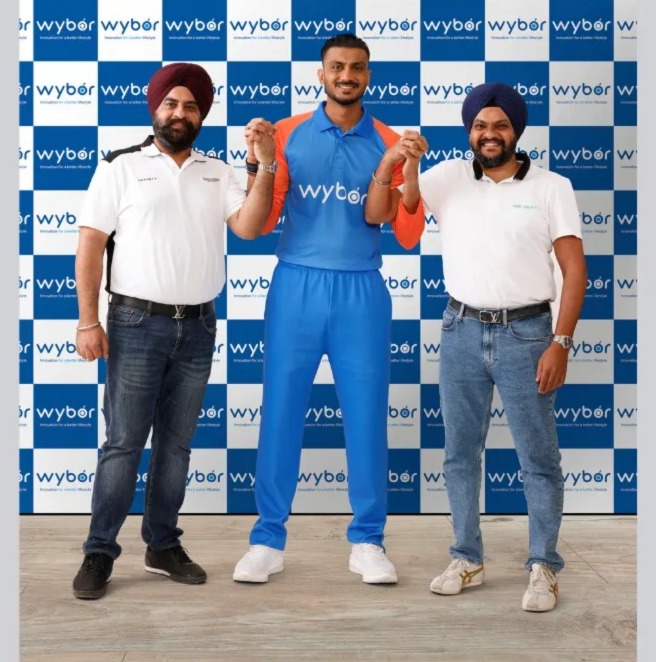
Wybor Appoints Axar Patel as Brand Ambassador, Strengthening Its Commitment to Innovation

Wybor, an emerging Indian consumer electronics brand under the MEPL Group, has officially announced its partnership with Indian cricketer Axar Patel, who will serve as the brand ambassador. Wybor boasts an extensive product lineup, including Google QLED TVs, inverter split air conditioners, semi-automatic washing machines, air coolers, and smartwatches, catering to a diverse range of consumer needs.

The values of excellence, dedication, and hard work demonstrated by Axar Patel resonate with the ethos of Wybor. “I am truly honored to team up with Wybor, a brand that not only offers cutting-edge products but also shares my commitment to excellence and innovation. I am excited to contribute to Wybor’s journey as it strives to establish itself as a leading Indian brand,” stated Axar Patel.

“We are delighted to welcome Axar Patel as our ambassador, whose commitment and versatility embody the principles we cherish at Wybor. As an all-rounder and a proud representative of Indian cricket, he reflects the same excellence we infuse into our products. With a manufacturing heritage spanning 45 years through the MEPL Group, Wybor is dedicated to growing as a trusted and premium Indian brand,” commented Gagan Preet Singh Malhotra, Director of Malhotra Electronics.

Puneet Solanki, head of talent at Sportcell, remarked, “We at Sportcell are proud to have facilitated the collaboration between Wybor and Axar Patel. Axar’s remarkable talent, discipline, and relentless drive perfectly align with the values that Wybor represents. This partnership marks an exciting chapter for both the brand and the athlete, and we look forward to witnessing its impact.”

Metvy Teams Up with Cult and Buzzlab to Launch Marketing Leadership Fellowship for Professionals

In an effort to shape the future of marketing leaders, Cult and Buzzlab have joined forces with Metvy to introduce the CMO Fellowship Program. Spearheaded by Shahbaaz, Cult’s Head of Marketing, alongside Buzzlab’s Sindhu Biswal and Sushant Sadamate, this initiative aims to empower mid-to-senior-level marketing professionals with essential leadership skills for the modern marketing landscape. The program is backed by Metvy, renowned for its hands-on, mentor-driven approach to education.

The CMO Fellowship is crafted to equip marketing professionals with the knowledge, tools, and networks to excel in their careers, preparing them to lead and drive growth in a constantly evolving field. Structured as a three-month program, it focuses heavily on real-world applications rather than theory. A standout feature is the ZETA framework, pioneered by Sindhu Biswal, which has already propelled numerous top brands to success.

Participants will engage in gamified mentorship, real-time projects, and receive guidance directly from CMOs, allowing them to gain valuable insights and hands-on experience from industry leaders. The winter cohort of the program is set to commence on January 2, 2025.

Zomato Xtreme to Make a Comeback with a New Focus

Zomato is preparing to relaunch its hyperlocal logistics service, Zomato Xtreme, with a renewed focus. Previously designed to handle intracity deliveries for packages up to 10 kg, the service used Zomato’s vast food delivery network to support small businesses and large merchants. Now, the company is recalibrating the offering to align with its core strength in food delivery.

After pausing Zomato Xtreme in July, the company is reportedly working on bringing the service back in a reimagined form. Initially, Zomato Xtreme provided logistics support to a range of merchants for local deliveries, drawing comparisons to similar services in the market. The service also partnered with companies for last-mile delivery solutions.

This time around, the focus will shift back to food delivery. “The service is being refined to prioritize the company’s core business,” said a source familiar with the matter. With over 400,000 active monthly delivery partners, Zomato has built a strong logistics network for food delivery, which will be central to this revamped initiative.

There is growing demand from restaurants looking to maintain their independent ordering systems while leveraging Zomato’s efficient last-mile delivery network. Although the first iteration of Zomato Xtreme did not grow large enough to affect the company’s main business, there is potential for expansion if the new version gains traction. The service is expected to adopt a model similar to Zomato’s current distance-based fee structure.

Zomato has previously experimented with multiple features to enhance its offerings. Despite these explorations, food delivery remains the company’s largest revenue generator, contributing nearly 60% of its total gross order value in recent reports, with a strong increase in orders year-on-year.

Looking ahead, Zomato plans to make significant changes to its platform. Food delivery will soon have its own dedicated app, while other services like dining out and entertainment will be shifted to a separate app, allowing each offering to be streamlined for better user experience.

As Zomato continues to fine-tune its operations, its robust delivery network remains a key asset in maintaining its competitive edge in the market.

Yoho Footwear Secures ₹27 Crore, Plans for Offline and Global Expansion

Direct-to-consumer (D2C) footwear startup Yoho has successfully raised ₹27 crore in a recent funding round, spearheaded by Gulf Islamic Investments (GII), a global investment firm with over $4.5 billion in assets under management. Other notable participants in the round include Rukam Capital and angel investors such as Rajeev Misra, CEO of SoftBank Investment Advisers, Vijay Shekhar Sharma, CEO of Paytm, and Pankaj Chaddah, founder of Shyft.

Yoho plans to use the newly acquired funds to bolster its growth through various initiatives, including research and development, marketing, recruitment, and expanding its offline presence. This follows a previous funding round in October 2022, where the company secured ₹20 crore.

Founded in 2021 by Ahmad Hushsam and Prateek Singhal, the New Delhi-based company has carved out a niche by offering both casual and formal footwear options for men and women. The startup’s target demographic is primarily individuals aged 28 to 40 who value comfort and style but don’t focus solely on fashion trends. According to Singhal, Yoho continues to grow rapidly, with the company expecting to reach ₹90 crore in revenue this year, a 300% increase from the previous year.

Yoho currently derives around 80% of its revenue from online sales, with 26-27% coming directly through its website and the remainder through other e-commerce platforms. The remaining 20% of revenue comes from offline channels, which the company is actively working to expand.

The company has ambitious plans to grow its footprint by partnering with 2,000 multi-brand outlets (MBOs) across tier I and II cities in India. Additionally, Yoho aims to triple its product offerings to 300 styles by 2025, catering to the evolving preferences of its customer base.

As part of its international growth strategy, Yoho is set to expand into key global markets, including the Middle East, Africa, and the United States, by early next year.

Commenting on the investment, Mohammed Al-Hassan, cofounder and co-CEO of GII, highlighted Yoho’s ability to combine biomechanical expertise with affordability, filling a crucial gap in the footwear market. Rajeev Misra of SoftBank echoed this sentiment, noting the growing demand for scientifically designed, affordable footwear that meets the needs of discerning Indian consumers.

Perceptyne Secures $3 Million Seed Funding to Propel AI Robotics Innovations

Hyderabad’s robotics startup, Perceptyne, has successfully raised $3 million in a seed funding round led by Endiya Partners and Yali Capital, alongside contributions from Whiteboard Capital and other angel investors. The company plans to utilize this capital to enhance product development, expand its customer base, and fuel overall growth. As of March, Perceptyne was valued at approximately $3.73 million, following a prior pre-seed funding round of $550,000 led by Venture Catalysts.

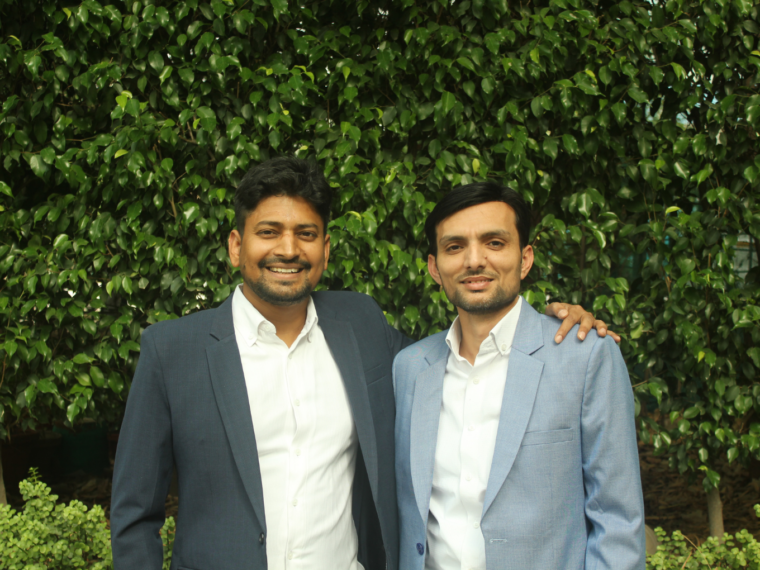
Founded by Raviteja Chivukula, Jagga Raju Nadimpalli, and Mrutyunjaya Nadiminti, Perceptyne is at the forefront of developing a full-stack robotics platform powered by artificial intelligence (AI). This platform is specifically designed for tasks that require human-like dexterity, including product assembly and packaging. Their flagship products, the PR-34D and PR-9D, consist of dual-arm and single-arm robots equipped with integrated computer vision, AI, multi-modal sensing, and highly articulate end-effectors, making them ideal for manufacturing and assembly line tasks. Operating under a business-to-business model, Perceptyne offers customers a choice between a capital expenditure model for purchasing robots or an operational expenditure model where the company installs and maintains the robots, generating revenue based on usage. Currently, Perceptyne is collaborating with key players in the automotive and electronics sectors.

CEO and co-founder Chivukula stated, “We are witnessing robust growth in the robotics sector, both in India and globally. Initiatives like Make in India have spurred numerous companies to establish manufacturing locally, while the domestic demand for advanced electronic products continues to rise. Furthermore, the availability of skilled labor is not keeping up due to the abundance of alternative career paths. This is where AI-driven robotics companies like ours will have a significant impact.” He highlighted that the global industrial robotics market is projected to reach an impressive $41 billion annually by 2030, growing at a compound annual growth rate (CAGR) of 12.3%.

This funding comes at a time when the demand for AI and robotics solutions is surging across various industries, including manufacturing, logistics, and healthcare. Recently, Pune-based robotics firm Haber raised ₹317.2 crore in a funding round led by private equity firm Creaegis, with participation from Accel India and BeeNext Capital.

“The moment has arrived for an AI-first robotics company focused on manufacturing automation. Perceptyne is meeting the essential demand for a versatile, drop-in automation solution that evolves through AI-led teleoperation,” remarked Raghav Gupta, vice president at Endiya Partners.

Perceptyne faces competition from notable companies such as Tokyo-based Telexistence and California-based Figure, among others.