Home Blog Page 48

Clean Electric Raises $6 Million to Revolutionize EV Charging Technology

0

Pune-based battery technology startup Clean Electric has secured $6 million in a new funding round led by Info Edge Ventures, Pi Ventures, and Kalaari Capital, with additional participation from Lok Capital and other investors. This infusion of capital will fuel the company’s mission to develop advanced fast-charging solutions for electric vehicles (EVs) and energy storage systems.

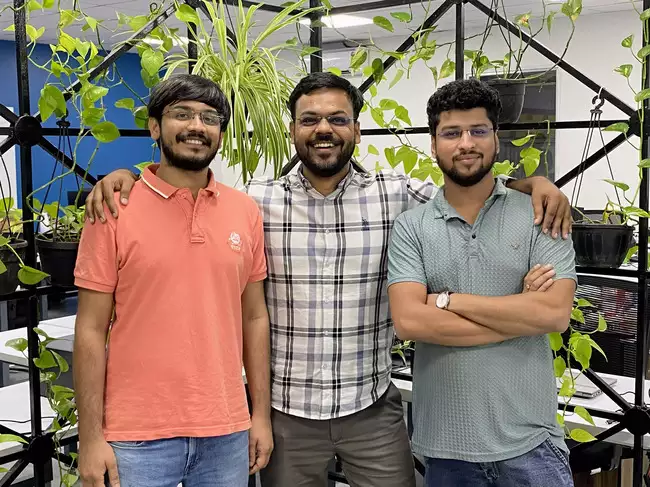
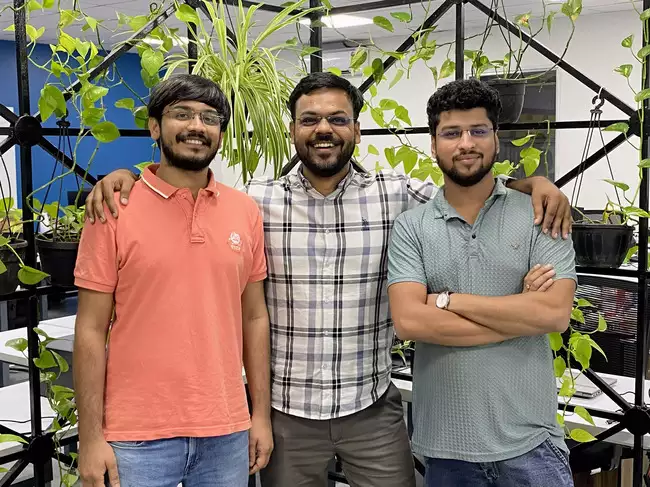
Launched in 2016 by IIT-BHU alumni Gupta, Abhinav Roy, and Ankit Joshi, Clean Electric has created proprietary rapid-charging technology that significantly cuts down charging time for EVs, reducing it to under 12 minutes. This groundbreaking solution outperforms current industry benchmarks, which often require 40 minutes to an hour for a full charge.

With collaborations already in place with 12 electric vehicle manufacturers (OEMs), Clean Electric is well-positioned to expand its reach. The newly raised funds will help the company extend its rapid-charging technology to electric four-wheelers (e-4Ws) and commercial vehicles, driving growth in sustainable transportation solutions.

Having raised nearly $9 million in total funding, Clean Electric is pushing the boundaries of what’s possible in EV battery innovation. As demand for electric mobility grows, the company aims to make EV charging faster, more convenient, and more widely accessible.
Everest Fleet Secures $30 Million from Uber India to Expand Clean Energy Operations

0

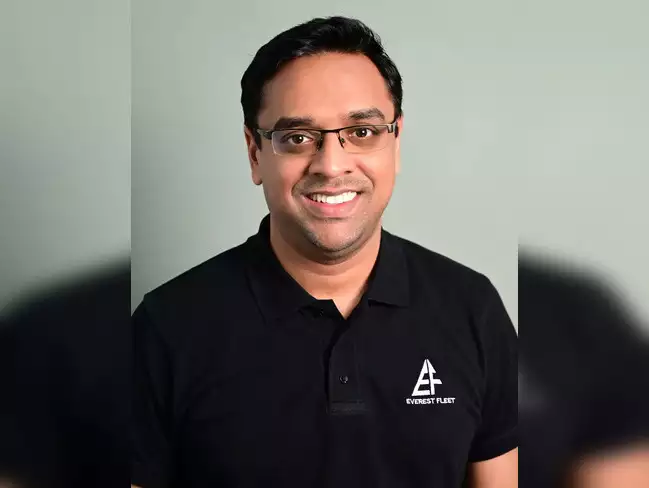
Everest Fleet, a Mumbai-based fleet management company, has successfully raised $30 million in its ongoing Series C funding round, led by Uber India. This investment marks a significant step towards scaling Everest Fleet’s operations and enhancing its fleet of eco-friendly vehicles, including compressed natural gas (CNG) and electric vehicles (EVs).

Founded by Siddharth Ladsariya, Everest Fleet is dedicated to revolutionizing the shared mobility landscape in India. The recent capital infusion will primarily support the company’s growth initiatives, facilitating the expansion of its CNG and EV fleet in alignment with India’s sustainable transportation goals.

“The shared mobility sector is rapidly evolving, and we are committed to playing a pivotal role in this transformation,” said Ladsariya. He emphasized that the investment will accelerate Everest Fleet’s efforts in promoting clean energy transportation, helping to reduce emissions across urban areas.

Earlier this year, Everest Fleet secured a $12 million loan from Axis Bank, backed by GuarantCo, to expedite its transition to a sustainable electric fleet. In a previous round, the company had also raised $20 million from Uber, indicating a strong partnership and commitment to innovation within the mobility sector.

As ride-hailing platforms in India face increasing demand and a shortage of vehicles, Everest Fleet is well-positioned to address these challenges by providing a reliable and scalable supply of vehicles to platforms like Uber. In September 2023, Everest received an additional $6 million from private equity firm Paragon Partners, bringing its valuation to approximately $217 million.

Last year, Ladsariya set ambitious targets to convert the company’s fleet from CNG to EVs, with plans to deploy 10,000 electric vehicles by 2026. As part of its strategy, Everest Fleet has partnered with Tata Motors to enhance its EV acquisition.

Pepsales Secures $1.1 Million to Drive AI-Powered Sales Demo Automation

0

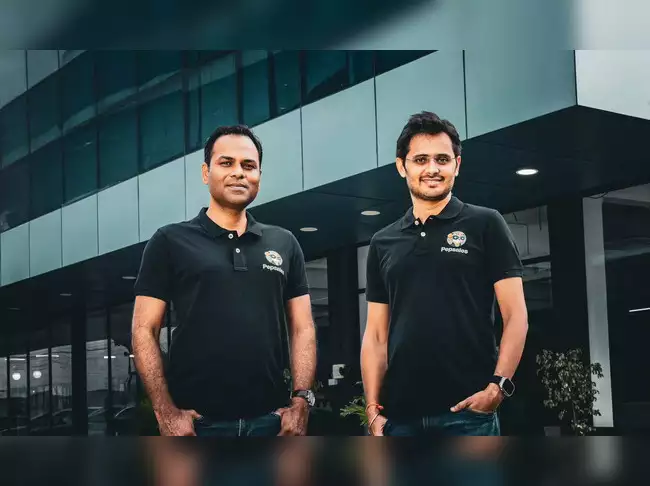
Pepsales, a rising software-as-a-service (SaaS) platform designed to enhance sales team productivity, has successfully raised $1.1 million in funding. The round was led by Chiratae Ventures, with participation from other investors, positioning Pepsales to further develop its cutting-edge AI-driven solutions.

Founded in 2023 by Ajay Singh and Abhinandan Sahgal, Pepsales is leveraging artificial intelligence (AI) and machine learning (ML) to help business-to-business (B2B) SaaS companies deliver personalized and impactful product demonstrations. With the newly raised capital, Pepsales plans to scale its operations in key markets, particularly in the U.S. and India, while doubling its customer base by the end of the year.

The platform, which is currently in beta mode, offers businesses the ability to automate the creation of customized demos tailored to specific clients, significantly enhancing engagement and boosting the likelihood of closing deals. According to Abhinandan Sahgal , personalized demos can improve win rates by 50%, making this AI-powered solution a game-changer for sales teams. The platform’s goal is to bring the customer count from 10 to 25 before its full-scale public launch.

Chiratae Ventures, a prominent venture capital firm known for its investments in successful companies like Policybazaar, Curefit, and Firstcry, led the funding round, demonstrating confidence in Pepsales’ potential to disrupt the sales automation space.

With the enterprise application software market spending more than $200 billion annually on sales and marketing, Pepsales is tapping into a promising sector. As demo automation emerges as a new category within this space, Pepsales aims to establish itself as a leader by continuing to innovate and refine its product for a growing client base.

Atlys Secures $20 Million in Series B Funding to Expand Global E-Visa Services

0

Atlys, a fast-growing e-visa platform, has successfully secured $20 million in a Series B funding round led by Peak XV Partners and Elevation Capital, with participation from new investors DST Global and Headline. This round of investment builds on previous backing from Peak XV Partners and Elevation Capital, further strengthening the company’s ability to scale its operations.

The newly raised capital will be deployed to expand Atlys’ global footprint, enhance its product and engineering capabilities, and strengthen its leadership team. Founded in 2021 by Mohak Nahta, a former Pinterest engineer, Atlys aims to simplify and streamline visa applications for global travelers. With plans to enter the Middle East market, the company is positioning itself as a key player in the rapidly evolving visa services sector.

Atlys’s innovative platform significantly reduces visa processing times, offering approval within 55 seconds for over 150 destinations. This positions Atlys as a formidable competitor in the travel and visa industry, alongside established players such as VisaHQ and Akbar Travels. The platform has already processed over a million visas to date, a testament to its efficiency and growing user base.

In addition to visa processing, Atlys has recently introduced an AI-powered visa evaluator, providing users with transparency on their approval chances. The company has also diversified its offerings, adding e-sims and travel insurance to its suite of services. Atlys operates across both business-to-business (B2B) and business-to-consumer (B2C) segments, with its app serving both individual travelers and travel agents.

Atlys has experienced impressive growth, expanding its reach significantly. Since its inception, the company has raised a total of $37 million in funding, including its earlier $12 million Series A round. Looking forward, Atlys is poised to benefit from the projected 10.5% compound annual growth rate (CAGR) in the international travel market over the next decade.

India’s outbound travel market has also seen a remarkable surge, with 30 million people traveling abroad in 2023, a 20% increase from the previous year. Atlys is well-positioned to capitalize on this growth, driven by a rising middle class and greater access to affordable travel options.

In a memorable moment during the 2024 Paris Olympics, Nahta pledged to provide free visas to all Atlys users if Indian javelin thrower Neeraj Chopra secured a gold medal. While Chopra won silver, Nahta fulfilled his promise, offering free visas to users in celebration of the achievement.

Swiggy to raise Rs 5,000 Cr via fresh issue

Swiggy, the food delivery and quick commerce company, is preparing for an initial public offering (IPO) with plans to raise Rs 5,000 crore ($602 million) through a fresh issue of equity shares. The Prosus-backed firm has also targeted raising Rs 6,664 crore through an offer for sale (OFS) and is set to seek board approval for the OFS in early October. This move comes as part of Swiggy’s broader strategy to secure a total of Rs 10,400 crore, combining both the fresh issue and the OFS.

The company’s IPO plans have been in the works since confidentially filing draft papers in April, and the latest special resolution indicates a 1.3X increase in the fresh issue amount compared to the initially planned Rs 3,750 crore. Swiggy is expected to file its draft red herring prospectus (DRHP) with SEBI soon. Ahead of the IPO, Swiggy attracted strategic investments from Amitabh Bachchan’s Family Office and Hindustan Composites, with investor Baron Capital valuing the company at $14.5 billion.

Swiggy reported significant financial growth in FY24, with a 36% year-on-year increase in revenue to Rs 11,247 crore and a 44% reduction in losses, bringing them down to Rs 2,350 crore. The core food delivery business contributed Rs 6,100 crore to total revenue, while its quick commerce segment, Instamart, generated Rs 1,100 crore in gross revenue. To strengthen its position against competitors like Zepto and Zomato’s Blinkit, Swiggy invested $700 million in quick commerce in late 2021 and recently appointed new leadership for Instamart.

Swiggy’s IPO is part of a broader trend of Bengaluru-based companies entering the stock market in 2024, following a series of IPOs from Delhi NCR. Other notable IPOs from the city include Digit Insurance and Ola Electric. Ather Energy, another Bengaluru-based company, has also filed its draft IPO papers, although its major stakeholder, Hero MotoCorp, opted not to participate in the OFS.

Former Jio top boss sets up growth-stage startup fund Playbook Partners

Vikas Choudhury, former top executive at Reliance Jio, has launched a new growth-stage investment fund called Playbook Partners, which has achieved its first close at $130 million and may eventually expand to $250 million. The fund has secured investments from large institutional investors across Europe, the US, West Asia, and India, and will focus on tech-first companies that have already established viable business models but require funds to scale into multimillion-dollar revenue businesses.

Playbook Partners will invest in companies with a revenue base between Rs 100 crore to Rs 200 crore, targeting businesses with a positive contribution margin. The average investment ticket size will range between $10 million and $20 million, with the firm either leading or co-leading investment rounds. The fund will prioritize two main themes: companies that use digital technology to enhance distribution in sectors like consumer, fintech, and supply chain, and those that solve large-scale problems with digital innovation, such as health, climate, and software as a service.

Before founding Playbook Partners, Vikas Choudhury held leadership roles at Reliance Jio and was the India CEO of Aimia, a Toronto-based investment holding company. He also served as a partner at Pivot Ventures, a multi-family office focused on alternative investments. Playbook Partners is established as a separate fund with its own professional management team and received its SEBI license in early 2024, registering at Gift City in Gandhinagar. With his extensive experience in running large businesses, Choudhury aims to leverage Playbook’s expertise to help founders scale their companies into sustainable and profitable enterprises.

Clean Electric Raises $6 Million to Scale Fast-Charging EV Battery Tech, Expand Product Line

Clean Electric, a developer of fast-charging battery technology for electric vehicles and grid battery solutions, recently raised $6 million in a funding round led by Info Edge Ventures, Pi Ventures, and Kalaari Capital, with participation from Lok Capital and other investors. The investment aims to enhance research and development, expand sales and operations teams, and develop new products focused on faster charging and renewable energy storage.

Founded in 2016 by IIT-BHU graduates Akash Gupta, Abhinav Roy, and Ankit Joshi, Clean Electric is based in Pune and collaborates with around 12 electric vehicle OEMs. The startup’s proprietary rapid charging technology can fully charge electric vehicles in under 12 minutes, significantly faster than the current standard of 40 minutes to over an hour. The company is working on scaling solutions for electric two-wheelers and three-wheelers, with plans to expand into electric four-wheelers and commercial vehicles within the next 12 to 18 months.

Clean Electric’s innovations aim to address key challenges in the electric vehicle industry, such as convenience and cost, to drive wider adoption of EVs over petrol or diesel vehicles. The company has achieved an annual run rate of $1.2-1.5 million and targets nearly $10 million by next September. To date, Clean Electric has raised close to $9 million in total funding.

Chinmaya Sharma, partner at Info Edge Ventures, highlighted that there are still critical gaps in the electric mobility value chain, particularly in battery reliability and quick charging without compromising performance. Clean Electric’s technical expertise and innovative products position the company as a key player in addressing these challenges on a national and potentially global scale.

Chip Mission Set For Big Boost: Eight-Year Fiscal Support, $15 Billion Funding In The Pipeline

The Indian government is considering extending the fiscal support period for the second phase of the India Semiconductor Mission (ISM) from five to eight years. Projects approved under ISM Phase-II may receive additional financial grants, including funding for employee skill development, interest-free government loans, and assistance from the Ministry of Electronics and Information Technology (MeITY) for access to domestically produced chips.

Phase-II of ISM may see a shift in focus, with reduced financial support for technology transfer costs and greater emphasis on funding administrative expenses. Additionally, financial incentives for chip packaging units, such as assembly and testing plants (ATMP/OSAT), are expected to decrease from 50% to below 30%, with the government aiming to attract more chip fabrication companies to India.

Successful applicants could also receive incentives ranging from 30% to 35% of their total capital expenditure for establishing units related to raw materials, chemicals, metals, and other essential sectors. So far, the government has invested $11 billion in subsidies to boost semiconductor manufacturing, with three units already underway and a fourth recently approved.

These projects include a chip fabrication unit in Dholera, Gujarat, and four assembly and testing plants, with three located in Sanand, Gujarat, and one in Morigaon, Assam. Phase-II of ISM may see the programme’s total outlay increase to $15 billion, continuing to drive India’s semiconductor industry growth.

Kross Ltd IPO Subscribed 34% on Day 1, Driven by Strong Retail Demand

The initial public offering (IPO) of Kross Ltd opened for subscription and was subscribed 34% on the first day. By noon, retail investors showed the most interest, subscribing to 62% of the issue, followed by non-institutional investors at 14%. The portion reserved for qualified institutional buyers received fewer bids.

Kross Ltd’s Rs 500-crore IPO includes a fresh equity issue of up to Rs 250 crore and an offer for sale (OFS) of up to Rs 250 crore by the company’s promoter shareholders, Sudhir Rai and Anita Rai, who are offloading part of their stakes.

The company has set a price band of Rs 228-240 per share, with investors required to bid for 62 shares per lot. The grey market premium (GMP) ahead of the issue was approximately Rs 50, suggesting a potential 21% premium over the issue price.

Financial experts recommend subscribing to Kross Ltd’s IPO, considering the company’s healthy growth track record and expansion strategies. Despite a higher P/E ratio of 34.5x compared to industry averages, its future growth potential and forward integration strategies make it an attractive investment.

Kross Ltd is a leading manufacturer of forged and machined components in India, with a growing global export presence. The company serves key clients like Ashok Leyland and Tata International DLT, manufacturing high-performance components for the commercial vehicle and tractor sectors. It operates five facilities in Jamshedpur, specializing in product design, development, and manufacturing.

For the fiscal year ending March 2024, Kross Ltd saw a 27% increase in revenue, reaching Rs 620 crore, and a 45% rise in net profit, totaling Rs 44.8 crore. The company’s revenue, EBITDA, and net profit grew at a compound annual growth rate (CAGR) of 44.4%, 65.5%, and 91.8%, respectively, over FY22-24.

Transcell Biologics Secures Investment from Quantiphi and IAN Group to Advance Animal-Free Testing Technology

0

Bio-tech company Transcell Biologics has secured an undisclosed amount of funding from Boston-based Quantiphi and IAN Group. The investment will be utilized to expand its client base and implement Digital Animal Replacement Technology (DART) as an enterprise solution for the global bio and pharmaceutical industries.

Founded in 2009 by Subadra Dravida, Transcell Biologics specializes in optimizing stem cell yield while maintaining pluripotency and functionality. The company has developed a proprietary process, extending the application of its stem cell technologies.

The Hyderabad-based firm’s DART solution provides an animal-free testing platform that combines human MicroPhysiological Systems (hMPS) with AI and machine learning. This technology automates bioassay processes and generates statistically compliant reports, ensuring safety and efficacy testing for drugs and vaccines.

DART has gained significant traction in India, with major biopharmaceutical companies integrating it into their high-impact programs. Transcell Biologics plans to further expand into markets in the USA, Europe, and Japan.