Home Blog Page 62

Accel Invests $9 Million in Uppercase to Boost Global Expansion and Retail Growth

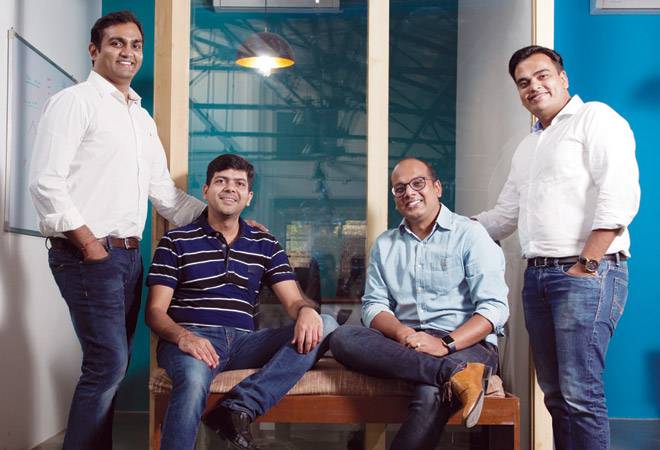
Venture capital firm Accel has invested $9 million in Uppercase, significantly increasing the new-age luggage maker’s valuation to $60 million.

The investment is intended to fuel the brand’s expansion by opening new retail stores domestically and in Europe and the Middle East by next year, according to cofounder and managing director Sudip Ghose.

The aim is not just to establish another brand in India but to create a global brand. The recent investment will be primarily used to develop the retail segment of the Indian business and to strengthen the back-end supply chain to support global expansion.

Based in Mumbai, Uppercase currently sells its travel gear online and through 1,800 multi-brand stores across India. The company plans to open 10 exclusive retail stores in cities such as Mumbai, Bengaluru, Pune, Ahmedabad, and Kolkata by next month, with a goal of expanding to 50 outlets by March 2025.

Currently, about 60% of Uppercase’s sales are generated through offline channels, with the remainder coming from online sales. The company is aiming to more than double its revenue to Rs 150 crore by the end of this fiscal year, up from Rs 70 crore last year.

Uppercase’s products are priced in the Rs 3,500-5,000 range, while Mokobara’s price point is higher, around Rs 6,000, according to Ghose.

Uppercase, which designs and manufactures all its products domestically, is also set to open its own manufacturing facility in Nashik by December. At present, the products are made by contract manufacturers.

Uppercase is carving out a unique space in the market with its strong Indian identity and commitment to sustainability. With over two decades of industry expertise, Sudip Ghose drives the brand’s innovative approach to eco-friendly travel gear, said Barath Shankar Subramanian, a partner at Accel.

Zappfresh Expands Westward with Acquisition of Mumbai-Based Bonsaro

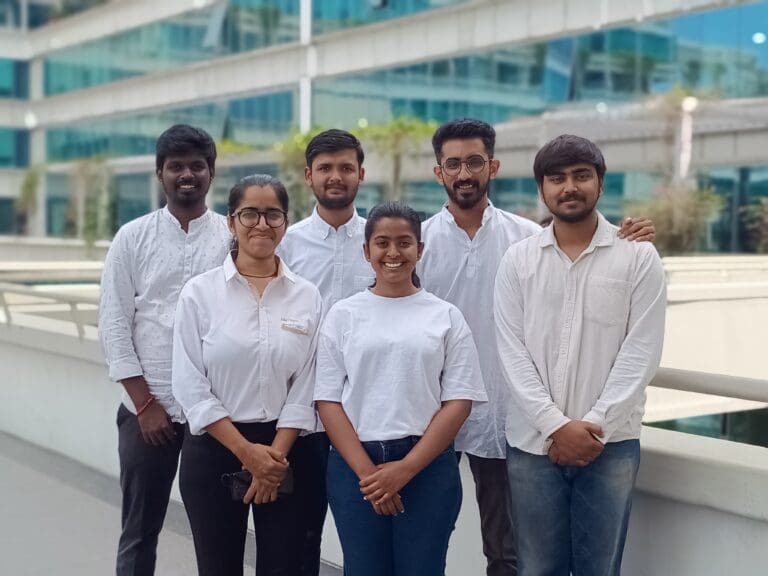
Zappfresh, a Delhi NCR-based meat delivery startup, has recently expanded its operations by acquiring Mumbai-based online meat and seafood delivery brand Bonsaro in an all-cash deal. Although the financial terms were not disclosed, this acquisition allows Zappfresh to strengthen its presence in the western Indian market as part of its strategic expansion plan.

By taking over Bonsaro’s operations and assets, Zappfresh aims to establish itself as a leading player in the direct-to-consumer (D2C) meat market in western India. The combined entity is projected to achieve a revenue of ₹160 crore in the financial year 2024-25 (FY25), with a significant increase in profit after tax (PAT).

Founder Deepanshu Manchanda emphasized that the acquisition of Bonsaro is a critical step in building a pan-India brand, particularly highlighting the importance of the Mumbai market. Zappfresh’s disciplined expansion strategy focuses on ensuring profitability in each city before moving to new markets.

This acquisition follows Zappfresh’s earlier purchase of Sukos Foods’ Dr Meat, which expanded its reach in southern India. The company, now a public entity, is also considering a public listing and aims to become the first D2C startup in the meat delivery segment to be listed on stock exchanges.

Despite the challenges in the D2C fresh meat market, including competition and market slowdowns, Zappfresh has managed to stand out as a profitable startup. In FY23, the company reported a profit of INR 3.5 crore with a revenue of ₹70 crore, positioning itself for continued growth in the competitive online meat delivery sector.

Yotuh Energy Raises ₹1.53 Crore for Next-Gen Refrigeration Solutions

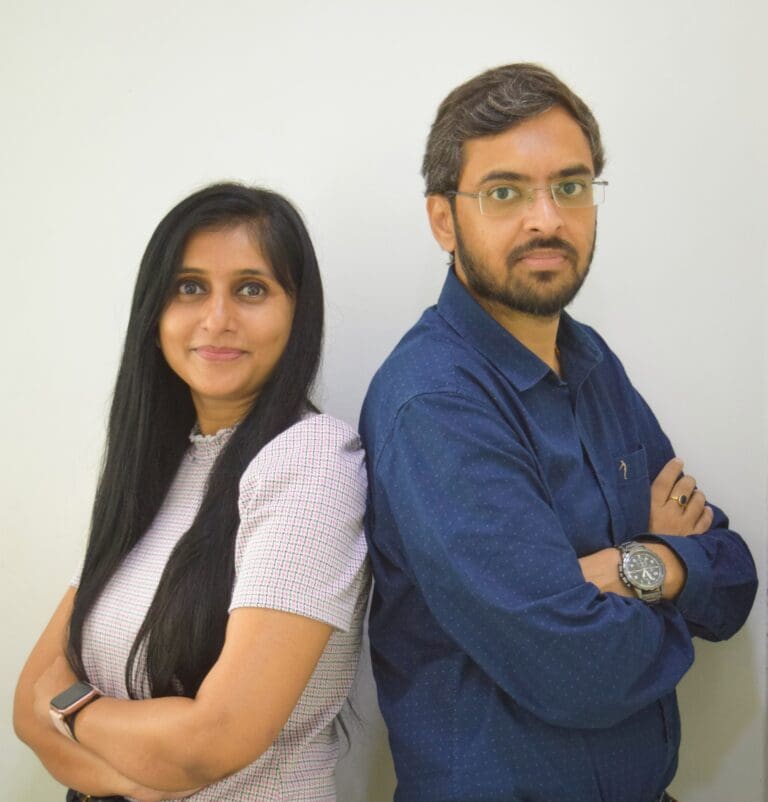
Yotuh Energy Private Limited, an innovative cleantech startup specializing in electric refrigeration systems for mid-mile and last-mile cold chain logistics, has secured ₹1.53 crore in funding. The investment round, led by the Campus Angels Network, will significantly advance the company’s mission to transform cold chain logistics.

Founded by IIT Delhi alumni Vivek Mahindrakar, Shaivee Malik, and Dharmik Bapodara, Yotuh Energy was established in 2022 and is incubated at the IIT Madras Incubation Cell. The company is dedicated to developing electric refrigeration systems that eliminate fuel usage, lower operational costs, and promote greener industry practices.

The funding will be allocated towards enhancing product development, testing, and expanding the team. It aims to bolster Yotuh Energy’s proprietary adaptive control technology, which optimizes energy consumption and improves efficiency in cold chain logistics. This move addresses the industry’s demand for sustainable and cost-effective solutions.

Chandran Krishnan, Managing Director and CEO of Campus Angels Network, expressed confidence in Yotuh Energy’s potential to revolutionize cold chain logistics, noting that their systems promise increased efficiency, sustainability, and significant cost savings for the industry.

The startup has received notable support from various government and private entities, including grants and awards from the Ministry of Agriculture, Department of Science and Technology (DST), Ministry of Electronics and Information Technology (MeitY), Acumen, the Australian Council for International Research (ACIR), the IIT Madras Incubation Cell, and Daimler India Commercial Vehicles.

Vinod Dasari, former Managing Director of Ashok Leyland and ex-CEO of Royal Enfield, and advisor to Yotuh Energy, praised the company’s focus on sustainability and efficiency. He expressed excitement about the potential impact of their solutions on the industry.

FlexiLoans Secures INR 75 Crore in Debt Funding to Strengthen SME Lending

FlexiLoans, a prominent fintech startup dedicated to offering loans to small and medium enterprises (SMEs), has successfully secured INR 75 crore (approximately $9 million) in debt funding from JM Financials Limited. This capital was raised through the issuance of non-convertible debentures (NCDs).

The board of FlexiLoans approved a special resolution to issue up to 7,500 rated senior, secured, unlisted, transferable redeemable NCDs, each with a face value of INR 1 lakh. This fundraising initiative aims to collect INR 75 crore in one or more tranches, as indicated by regulatory filings. This latest round of funding follows an earlier debt financing round in February, where the company raised $7.23 million.

Founded in 2016 by Abhishek Kothari, Deepak Jain, Manish Lunia, and Ritesh Jain, FlexiLoans has become a key player in the online lending industry, focusing on providing quick and flexible loans to SMEs and other underserved sectors. The Mumbai-based company has consistently expanded its influence and presence within the fintech space.

In 2022, FlexiLoans raised $90 million through a combination of equity and debt financing during its Series B funding round. This round attracted notable investors, including Denmark-based MAJ Invest, UK-based Fasanara Capital, the family offices of Harry Banga and Yogesh Mahansaria, as well as existing investors.

Since its inception, FlexiLoans has raised nearly $148 million through a mix of venture and debt funding.

This recent funding comes at a time when India’s fintech sector is experiencing considerable investor interest. For instance, in June, another lending tech startup raised $90 million (approximately INR 750 crore) in its Series E funding round led by multiple investors, through a mix of primary and secondary transactions.

Swiggy Set to Launch One of India’s Largest IPOs with a $1.28 Billion Offering

Swiggy, one of India’s top unicorns backed by SoftBank, is gearing up to file its draft red herring prospectus with the market regulator by early September. This move is set to make it the second-largest IPO among venture capital-backed companies in the country. Swiggy plans to raise around Rs 10,400 crore (approximately $1.28 billion) through the offering.

The company aims to get listed within this fiscal year, with a valuation expected to be about 60% of Zomato’s market capitalisation, which would place Swiggy’s valuation between $15 billion and $17 billion. In April, Swiggy confidentially filed initial documents for the IPO, keeping details private as per SEBI’s confidential filing route.

Swiggy has already received shareholder approval for an IPO, including a fresh issue worth Rs 3,750 crore and an offer for sale valued at Rs 6,664 crore. The company also plans to conduct a pre-IPO anchor round of $90 million.

The timing of Swiggy’s IPO coincides with its rival Zomato’s recent success, as Zomato’s share price has surged over 67% in the past six months. While Zomato has reported profits for several consecutive quarters, Swiggy has yet to achieve profitability on a consolidated level.

Swiggy’s public listing will be closely watched, as it joins a growing list of tech companies going public in India. This IPO will also create additional value for its investors, including SoftBank, which has been focusing on selling stakes in its portfolio companies.

Astroscale Secures $81 Million Contract with JAXA for Space Debris Removal

0

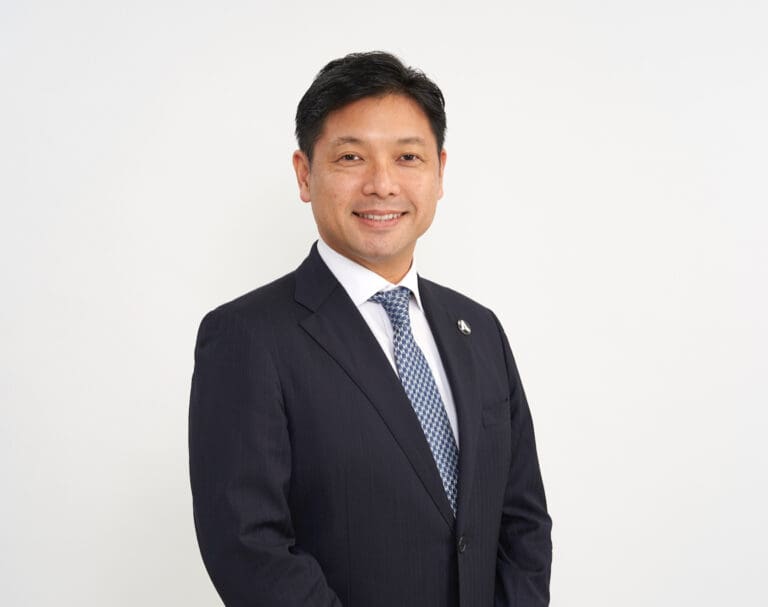
Shares of Japanese space startup Astroscale experienced a 19% increase on Monday following the announcement of a forthcoming 12 billion yen ($81 million) contract with Japan’s space agency to remove debris from Earth’s orbit. Astroscale’s Japan unit is set to sign a five-year contract with the Japan Aerospace Exploration Agency (JAXA).

The agreement involves the startup removing the upper stage of JAXA’s H-IIA rocket, which has been in orbit about 600 km (373 miles) above Earth’s surface since its launch in 2009.

Astroscale will develop a new spacecraft, ADRAS-J2, which will feature robotic arm technologies designed to capture the target debris by March 2029, according to a company statement.

The increasing amount of debris is becoming a significant risk for space missions, as the number of satellites in orbit continues to rise.

Earlier this month, a Chinese rocket stage that disintegrated in space added more than 700 pieces of debris, further contributing to the hazardous collision risks.

NCLT Approves Slice and North East Small Finance Bank Merger

The National Company Law Tribunal (NCLT) has approved the merger of Bengaluru-based Slice with Guwahati-headquartered North East Small Finance Bank, marking a significant step towards the finalization of the merger, which had already received clearance from the Reserve Bank of India (RBI) in October 2023.

This deal has also received the necessary approvals from the Competition Commission of India and the Registrar of Companies.

The Guwahati bench of the NCLT sanctioned the Scheme of arrangement and amalgamation involving Garagepreneurs Internet Pvt Ltd, Quadrillion Finance Pvt Ltd, Intergalactory Foundry Pvt Ltd, RGVN (North East) Microfinance Ltd, and North East Small Finance Bank Ltd, as announced by Tiger Global-backed Slice.

Garagepreneurs is the registered name for Slice, while Quadrillion Finance served as Slice’s in-house non-banking finance company. RGVN (North East) Microfinance operates within North East Small Finance Bank’s microfinance division.

Slice has also received a no-objection certificate from the Income Tax department. Following the merger, Slice, which offers prepaid payment solutions and Unified Payments Interface-based products, plans to provide technology-backed financial services to the customers of North East Small Finance Bank.

In December, it was reported that Satish Kumar Kalra, a former senior executive at Andhra Bank, had been appointed as the new chief executive officer of the merged entity. Additionally, Slice is considering a $100 million equity infusion into the business to support its banking ambitions.

BabyOrgano Raises Rs 6 Crore in Seed Round to Boost Growth and Global Expansion

BabyOrgano, a prominent brand in children’s personal care, has successfully completed a Rs 6 crore seed funding round led by Sauce Consumer Fund III. This funding round also saw continued support from existing investors, reflecting their confidence in the company’s future growth and vision.

Founded in 2020 by Riddhi Sharma and Ripul Sharma, BabyOrgano has quickly gained recognition in the children’s wellness sector. The brand offers 100% natural products designed for children aged 0 to 15 years. The newly acquired funds will be used to launch new products, enhance marketing efforts, expand the team, and explore export opportunities.

Yash Dholakia, Partner at Sauce.vc, commented on the investment, noting the rapid growth of the kids’ care market in India and the increasing shift towards authentic natural products. He praised Riddhi and Ripul for developing products that combine natural ingredients with convenience. Dholakia expressed enthusiasm about the potential in the baby care space and the opportunity to collaborate with BabyOrgano in building a modern wellness brand for children.

BabyOrgano has made notable progress in meeting the demand for chemical-free children’s products. The brand’s offerings include well-known items such as Swarnaprashan – Immunity Booster, Sitoapaladi, Sankhpushpi, traditional Ubtan, and other personal care products. Each product is carefully crafted by a team led by a PhD pharmacist, ensuring top-quality standards.

The company’s approach focuses on holistic child wellness, using traditional formulations to promote overall well-being rather than just treating symptoms. This commitment to authenticity and efficacy has strongly resonated with parents seeking natural alternatives for their children.

Riddhi Sharma, Founder and CEO of BabyOrgano, expressed excitement about the future and the role of the new investment in expanding the market reach. She emphasized the growing demand for natural products in children’s wellness and the company’s dedication to reaching more families with high-quality, natural solutions.

With plans to expand its market presence, BabyOrgano aims to introduce innovative health and wellness products, enhance its marketing strategies, and build a strong team to support its growth. The company also looks forward to exploring export opportunities, bringing its unique blend of natural wisdom and modern convenience to a global audience.

Vodafone Idea Plans to Reduce Subscriber Churn with Expanded 4G Coverage and Increased Capex

Vodafone Idea (Vi) is projecting a decline in its monthly subscriber churn rate, currently at 4%, starting from the fiscal fourth quarter. This expected improvement comes as the company plans to address its 4G coverage gaps through ongoing network capital expenditure (capex) initiatives. The recent capital raise of Rs 24,000 crore will enable Vi to increase its data capacity by 15% and enhance its 4G population coverage by 16 million by the end of September.

The telecom joint venture between Vodafone of the UK and India’s Aditya Birla Group is also counting on its recent sub-GHz spectrum acquisitions from the June 2024 auction. These acquisitions will expand its 900MHz band presence in 16 out of 17 priority circles, aiming to improve the 4G customer experience.

Analysts are optimistic about Vi’s future, predicting that the company will start seeing subscriber growth as it continues to close 4G coverage gaps and increase data capacity. They anticipate that the monthly churn rate will decrease once the capital expenditure deployment begins, offering relief after previous delays in capex and persistent subscriber churn issues had hurt operational performance.

In the June quarter, Vi lost 2.5 million customers, reducing its user base to 210.1 million. The company’s senior management expects that addressing the 4G coverage issues will help reduce the churn rate, which has been higher compared to competitors. Over the past four quarters, Vi’s churn levels ranged between 3.9% and 4.3%, while Jio and Airtel reported significantly lower churn rates of 1.7% and 2.8%, respectively.

To tackle these challenges, Vi’s capex program will be front-loaded in the first 18 months, prioritizing 4G coverage expansion and capacity decongestion. If Vi manages to significantly reduce subscriber losses and return to a growth trajectory, it could positively impact the stock outlook and lead to earnings upgrades.

BharatPe Boosts Stake in Trillion Loans to 60% with $8-9 Million Investment

BharatPe, a fintech unicorn, has invested approximately $8-9 million in its non-banking financial company (NBFC) subsidiary, Trillion Loans, increasing its stake in the Mumbai-based firm to nearly 60%, according to two sources familiar with the matter.

In May 2023, BharatPe acquired a majority 51% stake in Trillion Loans. The company, backed by Tiger Global, also appointed Ravindra Pandey, Nalin Negi, and Sabyasachi Senapati to the NBFC’s board. This investment is seen as a strategic move to boost confidence among external stakeholders, including the lending community and equity holders.

Trillion Loans is now valued at $100 million, and BharatPe plans to fully acquire a 100% stake in the NBFC within the next 24 months, according to one source. Additionally, BharatPe is aggressively working to increase its stake in Unity Small Finance Bank to gain more control. Currently, BharatPe owns 49% of Unity SFB, while Centrum Group holds the remaining 51%.

This investment will enable Trillion Loans to explore new opportunities, leverage its capital, and operate within regulatory limits comfortably, another source mentioned.

BharatPe has not commented on this development. The company raised its last equity round in August 2021 and was reportedly in talks to secure a larger equity round. Although the equity funding did not materialize, BharatPe has raised multiple debts over the past three years. The company is also expected to be profitable on a consolidated basis in the current fiscal year (FY25). BharatPe’s operating revenue reportedly increased by 16% to Rs 1,370 crore in FY24, while its losses reduced by 70% to Rs 270 crore in FY24.