Home Blog Page 63

Texas Instruments Secures $1.6 Billion for Expansion of U.S. Chip Manufacturing

Texas Instruments announced that it will receive up to $1.6 billion in funding from the U.S. Commerce Department to support the construction of three new facilities, marking another significant government effort to enhance domestic chip production.

This funding, provided under the US CHIPS and Science Act, will assist in building two factories in Texas and one in Utah. Texas Instruments has committed over $18 billion to these projects through 2029, with expectations to create 2,000 manufacturing jobs.

Additionally, the chipmaker anticipates receiving between $6 billion and $8 billion in investment tax credits from the U.S. Treasury Department, along with $10 million allocated for workforce development.

With plans to expand internal manufacturing to over 95% by 2030, Texas Instruments aims to build a reliable, large-scale 300mm capacity to supply the analog and embedded processing chips needed by its customers for years to come.

The United States is striving to increase domestic chip production and lessen dependence on semiconductor hubs like Taiwan through the CHIPS Act, which was enacted in 2022 and offers $52.7 billion in subsidies for chip manufacturing and research.

This $1.6 billion in funding will significantly help Texas Instruments remain competitive in the semiconductor industry. Although Texas Instruments does not focus on the cutting-edge process node, mature-node technology remains crucial for the U.S. semiconductor industry. Mature nodes represent about half of the global chip demand, and other countries are also investing in this technology.

Texas Instruments is currently experiencing a rebound in demand for its chips, which are used in a wide range of products, including smartphones and cars. The company recently exceeded quarterly earnings expectations.

Clear Premium Water Launches New TVC with Hrithik Roshan, Reinforcing Brand’s Quality and Appeal

Clear Premium Water, a well-known bottled water brand, has launched the third installment of its TV commercial campaign featuring Hrithik Roshan, titled ‘Hum Sab Ki Clear Choice.’ This latest advertisement builds upon the success of its predecessors, further establishing the brand’s dedication to quality and value across various sectors and lifestyles.

The commercial highlights a diverse range of individuals, including a businesswoman, businessman, college students, and an air hostess, each representing different aspects of life. The scenes vividly illustrate that Clear is the preferred choice in various settings—be it in corporate boardrooms, academic environments, or at 30,000 feet in the air. This narrative reinforces Clear’s reputation as a reliable companion across industries, emphasizing its broad appeal and strong market presence.

Clear Premium Water remains committed to delivering high-quality bottled water. With Hrithik Roshan as the brand ambassador, Clear’s identity and trustworthiness have been further enhanced. The commercial effectively captures the brand’s core values, demonstrating that Clear is the water of choice for everyone, regardless of their location or status.

Nayan Shah, founder and CEO of Clear Premium Water, expressed enthusiasm about the new TVC. He noted that the latest commercial advances the ‘Hum Sab Ki Clear Choice’ narrative and underscores the company’s dedication to meeting the diverse needs of its customers. The campaign reinforces that Clear is synonymous with quality and reliability, and with Hrithik Roshan as the spokesperson, the brand’s message is resonating across the nation.

Ecom Express Files for Rs 2,600 Crore IPO, Plans Major Infrastructure Expansion

Ecom Express Ltd has submitted draft documents to the Securities and Exchange Board of India (SEBI) with the aim of raising Rs 2,600 crore through an initial public offering (IPO). The IPO will consist of a fresh issuance of equity shares amounting to Rs 1,284.50 crore, along with an offer for sale (OFS) of shares valued at Rs 1,315.50 crore by the company’s promoters and other shareholders, as outlined in the draft red herring prospectus (DRHP).

The funds raised from the fresh issue, totaling Rs 387.44 crore, are intended for the establishment of new processing centers with automation and the development of new fulfillment centers. An additional Rs 73.71 crore will be allocated for computers and IT equipment, Rs 239.23 crore for enhancing technology, data science capabilities, and cloud infrastructure, and Rs 87.92 crore for debt repayment.

The remaining proceeds will be used for general corporate purposes and potential acquisitions, as detailed in the draft documents filed recently. The company is also considering a pre-IPO placement to raise Rs 257 crore. Should this placement occur, the amount raised will be deducted from the total size of the fresh issue.

Ecom Express operates a nationwide express logistics network, offering services such as first-mile pick-up, mid-mile transportation, last-mile delivery, returns, and warehousing. The company connects digital retailers and ecommerce platforms with consumers across India by providing essential logistics infrastructure and leveraging technology.

Several financial institutions, including Axis Capital, IIFL Securities, Kotak Mahindra Capital Company, and UBS Securities India, have been appointed as the book-running lead managers for the public offering.

Warburg Pincus Acquires Majority Stake in Ebco, Fuels Growth in India’s Furniture Hardware Sector

Private equity firm Warburg Pincus has taken a majority stake in Ebco Private Limited, a manufacturer of furniture fittings and architectural hardware. Although specific details of the transaction were not disclosed, sources indicated that the promoters of Ebco were considering the sale of up to a 74% stake in the Mumbai-based company, valued at approximately Rs 3,500 crore.

The ownership of Ebco includes Geoffrey Nagpal, Ashley Nagpal, and others. Despite the sale, the promoters will maintain a significant minority share and continue to play an active role in the company’s growth.

Mumbai-based investment bank Avendus Capital served as the exclusive financial advisor for the transaction. Geoffrey Nagpal, Managing Director of Ebco, expressed his pride in the company’s transformation over the past six decades, crediting the efforts of key figures such as Ashley Nagpal, Rajesh Nair, and Nishant Nagpal in establishing Ebco as a trusted brand in its sector. He also highlighted the partnership with Warburg Pincus as a pivotal moment in the company’s continued growth.

Founded in 1963 as a tool maker, Ebco expanded into furniture hardware in 1987. The company now offers over 4,500 products through more than 5,500 retail outlets, manufacturing bed and wardrobe fittings, kitchen systems, and office furniture fittings across three plants in Maharashtra.

Warburg Pincus sees substantial growth potential in the Indian furniture fittings and architectural hardware industry, driven by factors such as favorable demographics, increasing demand for real estate, the rise of modular furniture, and growing home renovations. The firm believes that Ebco, with its reputation for innovation and quality, is well-positioned to capitalize on these opportunities.

In a related development, Warburg Pincus recently acquired Vistaar Finance, a non-banking financial company that focuses on lending to micro, small, and medium enterprises in India. Following this acquisition, Avijit Saha, a former ICICI banker with over 30 years of experience in various banking sectors, was appointed CEO of Vistaar Finance.

Ola’s Krutrim to Lead India’s AI Revolution with Next-Gen Silicon Chips

0

Krutrim, Ola’s AI venture, is set to create India’s first AI-specific silicon chips by 2026, designed to handle advanced AI tasks and workloads. This initiative is part of the company’s strategy to enhance its comprehensive AI capabilities, which encompass foundational models, cloud solutions, and silicon technology.

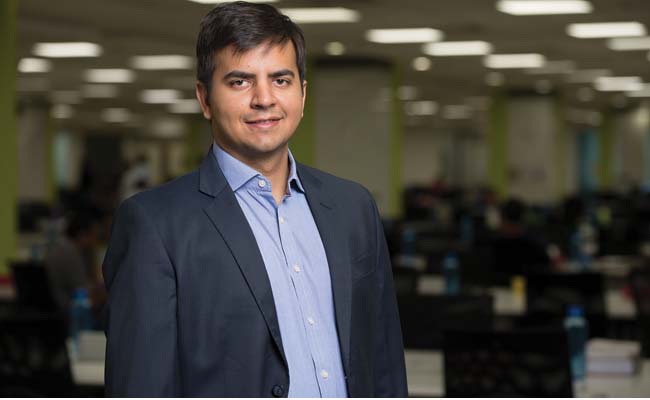
Bhavish Aggarwal, Founder of Ola, emphasized the significance of this development during Sankalp 2024 at Ola Futurefactory in Krishnagiri, Tamil Nadu. He highlighted the transformative era of AI and the necessity for India to establish its own AI infrastructure. The initial chip lineup includes Bodhi for AI applications, Sarv for general computing, and Ojas for edge computing. These chips are expected to drive the creation of faster, more efficient AI systems and contribute to India’s technological independence.

Krutrim plans to introduce Bodhi 2 by 2028, which will be capable of handling over 10 trillion parameters and be scalable to exascale supercomputing levels. Exascale systems are characterized by their ability to process information at speeds far beyond those of current leading supercomputers.

To support these developments, Krutrim aims to expand its data center capacity to 1 GW by 2028 and has formed partnerships with global industry leaders such as Arm and Untether AI for CPU and AI chip development.

Chris Walker, CEO of Untether AI, expressed enthusiasm about the collaboration, highlighting the potential of their At-Memory speedAI architecture to enhance AI inference performance and energy efficiency.

Additionally, Krutrim has launched Krutrim Cloud, offering AI and general-purpose services to support the Indian developer community in creating technology applications more cost-effectively.

Krutrim AI will be integrated into Ola Electric and Ola Cabs to enhance the user experience. As of early 2024, over 25,000 developers are utilizing Krutrim Cloud, which has processed 250 billion API calls. The company has also introduced more than 50 new services on Krutrim Cloud, including Bhashik, a language hub with multimodal translation capabilities, and Customer Experience AI, featuring multimodal AI agents for enterprise mobile apps.

Bharti Group Secures $1.8 Billion for Major Stake Acquisition in BT Group

Bharti Group has secured approximately $1.8 billion from Barclays to facilitate its planned acquisition of a 24.5% stake in the UK’s BT Group, according to sources familiar with the situation. Additional funding from various international banks may be pursued depending on the group’s need for further debt to complete the deal, these sources indicated.

The initial 9.99% stake in BT is being acquired through an open market transaction by Bharti Global, the international division of Bharti Enterprises, via Bharti Televentures. The acquisition of the remaining 14.51% is contingent on obtaining the necessary regulatory approvals.

Bharti is purchasing this stake from BT’s largest shareholder, Altice UK. The announcement of the stake purchase has led to a more than 10% increase in BT’s stock, bringing its market capitalization to $18.55 billion. Depending on the valuation, Bharti plans to use a combination of cash and debt to finance the rest of the transaction, which may take additional time.

A subsidiary of Bharti Enterprises (Holding) Ltd, Bharti Enterprises Ltd, has accessed external debt, with adequate liquid assets to maintain a negligible net debt position, according to a March report from a rating agency. As of March 20, Bharti Telecom, the holding company of Bharti Airtel, had external debt amounting to Rs 24,950 crore, while the market value of its investments was Rs 2.75 lakh crore, providing a substantial financial cushion.

While the transaction is still in its early stages, there may be challenges related to the pricing of the remaining loan and the spread over the secured overnight financing rate (SOFR), based on preliminary discussions between Bharti and the banks, according to one of the sources, who requested anonymity.

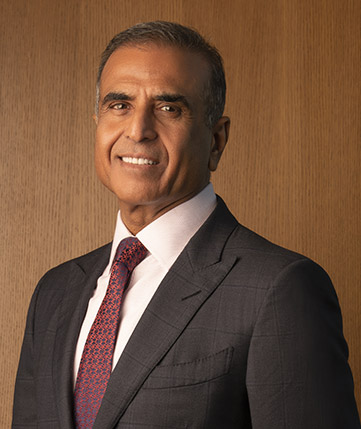
Earlier this week, Bharti Group released a statement clarifying that it has no intention of making a bid for control of BT, Britain’s largest broadband and mobile provider. Bharti is not seeking a board seat either, as confirmed by chairman Sunil Mittal. Funding for the transaction is being managed by Bharti Global, with Barclays serving as the financial adviser and providing some immediate capital. Mittal expects the deal to be finalized in the coming months.

Aris Infra Files for Rs 600 Crore IPO to Accelerate Growth and Innovation in Construction Material Procurement

Aris Infra, a construction material procurement platform, has submitted a draft red herring prospectus (DRHP) to the Securities and Exchange Board of India with plans to raise up to Rs 600 crore through an initial public offering (IPO). The IPO will consist entirely of newly issued shares, with no existing investors selling their holdings.

Based in Mumbai, Aris Infra is supported by prominent individuals and family offices, including the CEO of PharmEasy, Siddharth Shah, San Francisco-based Think Investments, and partners from private equity firms such as TPG Capital and BlackRock.

Aris Infra plans to use the funds from the IPO to repay and prepay outstanding borrowings, support its working capital needs, and invest in its subsidiary, Buildmex-Infra Pvt Ltd, for its working capital requirements. The company also intends to purchase partial shareholdings from existing shareholders of its subsidiary, ArisUnitern Re Solutions, while allocating funds for general corporate purposes and potential acquisitions.

Founded in February 2021 by Ronak Morbia and Bhavik Khara, Aris Infra utilizes artificial intelligence and machine learning to optimize the procurement of construction materials. The platform connects property developers and vendors, digitizing the supply chain within the construction industry.

To date, the company has secured Rs 160 crore in equity and an equivalent amount in debt. Its most recent funding round in January 2022 valued the company at approximately $100 million.

Aris Infra’s clientele includes major companies such as the Tata Group, JSW, UltraTech Cement, ACC, Dalmia, Godrej, Larsen & Toubro, Apco Infra, SP Singla Constructions, and Lafarge. JM Financial, IIFL Securities, and Nuvama Wealth Management are serving as the book-running lead managers for the proposed issue.

Syfe Secures $27 Million to Boost Indian Tech Hub and Expand Global Reach

Singapore-based investment platform Syfe has secured $27 million in equity funding from existing investors, including Valar Ventures, led by Peter Thiel, and London-based investment firm Unbound, along with two UK-based family offices.

Although the startup is licensed and operates in Singapore, Hong Kong, and Australia, and has customers from over 60 countries, its technology center is located in India. The newly raised funds will be used to accelerate the development of its engineering and product teams in India. The company also plans to introduce new products and innovations in additional markets. With this latest round of funding, Syfe has raised a total of $79 million.

Syfe was founded in 2019 by Dhruv Arora, a former senior executive at Grofers (now Blinkit), which was acquired by Zomato. The platform focuses on meeting the wealth management needs of individuals by offering diversified proprietary portfolios, cash management solutions, and brokerage services.

Arora emphasized Syfe’s commitment to investing in Indian talent and expanding its team in the country. He noted that the funding will allow the company to reach more customers and assist them in growing their wealth. The increased investment in development will facilitate the introduction of more innovative products while continuously enhancing the Syfe user experience. Syfe has been profitable in Singapore since early 2024, with average client assets more than doubling since 2023.

Shravin Bharti Mittal, founder and CEO of Unbound, praised the company’s ability to scale and achieve profitability in a key market like Singapore, describing it as a testament to the strength of Syfe’s business model and team. He expressed excitement about continuing to support Syfe in its next phase of growth and innovation.

Flexiloans Eyes $35 Million Equity Raise to Bolster Small Business Lending

Flexiloans, a digital lending platform specializing in small business financing, is currently engaged in discussions with both international and domestic investors to raise approximately Rs 300 crore ($35 million) in a new equity round. Sources familiar with the negotiations have indicated that potential investors may include Accion, a US-based nonprofit dedicated to financial inclusion, and Fundamentum, an investment firm co-founded by Infosys cofounder Nandan Nilekani. This round of funding is expected to significantly boost Flexiloans’ valuation, potentially bringing it to around Rs 1,200 crore ($140 million), up from its previous valuation of Rs 700 crore.

Founded in 2016 by Indian School of Business alumni Deepak Jain, Ritesh Jain, Manish Lunia, and Abhishek Kothari, Flexiloans focuses on providing loans to small businesses through digital channels. The company, headquartered in Mumbai, competes with other digital lending platforms such as Indifi and Lendingkart. Sanjay Nayar, who led KKR in India for nearly a decade, is one of Flexiloans’ notable backers. Abhishek Kothari, one of the co-founders, later moved on to become the CEO of fintech platform Pepper Money India.

The fresh capital raised in this funding round is expected to be primarily utilized to strengthen Flexiloans’ lending business and support the acquisition of additional debt. This follows a significant equity infusion in 2022 when the company raised $30 million from Denmark-based MAJ Invest and other investors. The influx of funds comes at a critical time for the digital lending sector, which has been navigating numerous challenges following the Covid-19 pandemic.

The broader digital lending market has seen varied activity, with Indifi securing $35 million in equity last year and Lendingkart reportedly exploring a new equity round valued between $30 million and $50 million. Despite the overall slowdown in the unsecured consumer lending sector, small business-focused lenders like Flexiloans are attracting increasing attention. Investors are particularly interested in tech-enabled companies that demonstrate the ability to maintain strong asset quality, making them favorable prospects in a tough funding environment.

Flexiloans’ growth has been further supported by its partnership with the non-banking finance company Epimoney. According to a recent report by India Ratings & Research, Epimoney reported a net profit of Rs 14 crore for the first nine months of the last financial year. This marks a significant improvement from FY23, where the company recorded a net profit of Rs 6.7 crore, recovering from a loss of Rs 10 crore in FY22. The report also highlighted that Flexiloans’ assets under management are close to Rs 2,000 crore.

Veefin Acquires Nityo Tech to Expand Digital Transformation Services Across Banking Sectors

Veefin Group of Companies has acquired a 100% stake in Nityo Tech Pvt Ltd, which is the Indian subsidiary of Nityo Infotech Singapore, through one of its subsidiaries. Veefin plans to expand its digital transformation services across various banking sectors beyond lending by utilizing Nityo’s existing infrastructure and its expertise in AI and machine learning solutions.

With a strong brand presence, Veefin aims to deliver a comprehensive range of services and solutions within a unified ecosystem, with a focus on product engineering, AI, and data.

Raja Debnath, Chairman of the Veefin Group of Companies, expressed enthusiasm about the acquisition, stating that it aligns with Veefin’s belief in the importance of digitization for growth in the banking sector. He emphasized that this acquisition will enable Veefin to offer an extended product suite to banks aiming to digitize various verticals, positioning the company as a key technology partner for banks.

Nityo Infotech, which operates in over 44 countries and serves more than 3,000 clients, provides AI and ML solutions in the financial services sector. It works across more than 15 verticals, including banking, insurance, telecom, computing software, automotive, consumer electronics, energy, healthcare, media and entertainment, retail, and manufacturing.

Earlier in June, Veefin acquired Mumbai-based Regime Tax Solutions, which specializes in advanced GST compliance and automation for accounts payable and receivable. Veefin plans to integrate Regime’s flagship solutions, TaxGenie and PayInvoice, into its supply chain technology platform designed for banks and financial institutions.