Home Blog Page 70

ShareChat Parent Mohalla Tech Secures $65M in Debt Funding, Cuts Workforce

Mohalla Tech, the parent company behind the vernacular social media platform ShareChat and the short video app Moj, has expanded its debt funding round to $65 million with a recent $16 million contribution from Singapore-based EDBI.

In April, ShareChat secured around $49 million in debt from existing investors, including Temasek, Lightspeed, HarbourVest, Moore Strategic, Rimco, and Alkeon. The company’s valuation has dropped significantly, falling from $5 billion during its last funding round in June 2022 to under $2 billion.

The additional funding will be directed towards enhancing the company’s technology infrastructure and expanding consumer transaction services with new monetization features, according to a press release from ShareChat.

A report by also mentioned that ShareChat has reduced its workforce by 5% as part of its mid-year performance review. In 2023, the company implemented several cost-cutting measures and laid off 700 employees in two phases.

According to data, ShareChat has raised approximately $1.8 billion from investors, including Twitter (now X), Alkeon Capital, Moore Strategic Ventures, and Tencent, among others.

ShareChat claims that its platform has been operationally profitable for several months, while the Moj app is nearing operational break-even. Together, the apps serve over 325 million users.

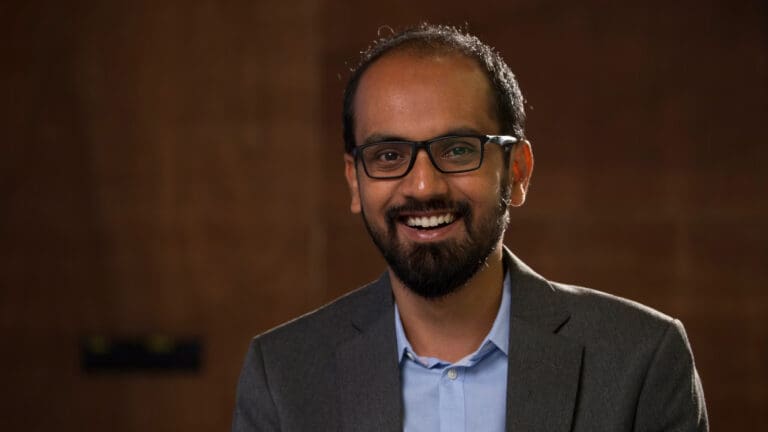
The company, led by Ankush Sachdeva, has not yet filed its financial statements for FY24. However, in FY23, it spent nearly Rs 4,000 crore to generate Rs 533 crore in revenue, resulting in a loss of Rs 3,241 crore. The increase in losses was mainly due to a write-off from acquiring Moj’s competitor MxTakaTak. ShareChat acquired the Times Internet-backed company for nearly $700 million in cash and stock.
Bharti Airtel and Reliance Jio to Invest $2 Billion in Expanding 5G Network Infrastructure

Bharti Airtel and Reliance Jio are expected to collectively invest an additional $2 billion in new 5G network equipment to expand and enhance their next-generation mobile broadband services. This decision comes as the user base continues to grow, with a rise in the number of smartphones supporting 5G technology. Sources indicate that Airtel, led by Sunil Mittal, has issued a new request for proposal (RFP) for the second phase of 5G equipment purchases. Meanwhile, Jio, owned by Mukesh Ambani, is in discussions with global vendors for similar purposes.

Ericsson and Nokia are anticipated to be the primary suppliers for both Airtel and Jio’s new 5G base station requirements. Samsung is also expected to handle a smaller portion of these orders. Each telecom company is likely to invest around $1 billion in acquiring 5G network equipment, primarily focusing on radio base stations.

Both companies had initially invested significantly in 5G equipment and deployments in 2022. However, the pace of expansion slowed due to limited monetization opportunities. As of July 31, 2024, the Department of Telecommunications (DoT) reported 452,000 5G base stations, accounting for 15.5% of the total installed base of 2.925 million stations, mostly comprised of 4G.

Despite the slower rollout, the 5G user base in India is steadily increasing. By the end of March, Airtel had 75 million users, while Jio had reached 130 million by the end of June. This growth is driven by unlimited data offerings, improved customer experience, and the increasing availability of 5G-enabled smartphones, which now make up 70% of overall smartphone shipments.

As data traffic shifts from 4G to 5G, both Airtel and Jio are preparing for further expansion. This next phase is supported by recent tariff hikes of 11% to 25%, which have bolstered their financial positions. However, the overall depth of 5G coverage still lags behind that of 4G, necessitating continued investment.

Airtel is also preparing to transition to offering 5G services in standalone (SA) mode in select markets, with plans to expand this capability nationwide. This transition is significant as it marks a shift from the non-standalone (NSA) mode currently used, which leverages existing 4G infrastructure. The move to SA mode is driven by the increasing demand for 5G services and the need to provide comprehensive coverage and full 5G capabilities.

The new investments in 5G equipment are expected to benefit Nokia and Ericsson, who have seen reduced revenues following Jio and Airtel’s decreased network capital expenditures. The fresh contracts from these telecom giants could help revitalize the network equipment market in India.

Ola Electric’s IPO Sees Strong Retail Interest and Raises $4 Billion Valuation

Ola Electric’s initial public offering (IPO) garnered a subscription rate of 35% on its opening day, with retail investors leading the charge, subscribing to 1.57 times their allotted shares. The non-institutional investor category saw a subscription rate of 20%, while qualified institutional buyers did not place any bids on the first day. The portion of the offering reserved for employees was notably oversubscribed, reaching 4.88 times.

The IPO consists of a fresh issue amounting to Rs 5,500 crore and an offer for sale (OFS) of 8.4 crore shares. Bhavish Aggarwal, the company’s leader, plans to offload 37.9 million shares. The price range for the IPO is set between Rs 72 and Rs 76 per share, with a face value of Rs 10. This pricing values the company at Rs 33,500 crore (approximately $4 billion) at the upper end of the spectrum.

The IPO opened for anchor investors on Thursday, raising Rs 2,763 crore from 80 domestic and international funds. Notable anchor investors include State Bank of India Mutual Fund, HDFC Mutual Fund, Nomura India Investment Fund, and Goldman Sachs (Singapore) Pte Ltd. According to a report from Reuters, the company received bids worth $2 billion from institutional investors.

Ola Electric, backed by SoftBank, is the first pure-play electric vehicle manufacturer and the second company from Bengaluru to list on Indian stock exchanges, following GoDigit General Insurance. The IPO subscription period will close on Tuesday, August 6. According to the red herring prospectus (RHP), the electric two-wheeler manufacturer reported a loss of Rs 1,584 crore for the fiscal year ending March 31, 2024, compared to a loss of Rs 1,472 crore in the previous year.

Delhivery Reports Strong Financial Performance with Rs 52 Crore Profit for Q1 FY25

Logistics firm Delhivery has achieved notable profitability for the quarter ending June 2025, marking a strong performance with revenue exceeding Rs 2,100 crore during Q1 FY25.

According to Delhivery’s unaudited consolidated quarterly report filed with the National Stock Exchange, the company’s operating revenue increased by 4.6%, rising to Rs 2,172 crore in Q1 FY25 from Rs 2,076 crore in Q4 FY24.

The primary revenue drivers for Delhivery include warehousing, last-mile logistics, and the design and implementation of logistics management systems. In addition to its logistics services, Delhivery earned Rs 110 crore from financial sources, bringing the total income to Rs 2,282 crore in Q1 FY25, up from Rs 2,195 crore in the previous quarter.

Freight and handling costs accounted for 71% of Delhivery’s total expenses. This expenditure grew by 4% to Rs 1,579 crore in Q1 FY25, compared to Rs 1,519 crore in Q4 FY24.

Overall spending on employee benefits, advertising, finance, legal matters, and other areas totaled Rs 2,223 crore in Q1 FY25, down from Rs 2,257 crore in Q4 FY24.

The company’s growth in revenue and cost management contributed to a profit of Rs 52 crore in Q1 FY25, reversing the Rs 68 crore loss reported in Q4 FY24. On a unit level, Delhivery spent Rs 1.02 to earn one rupee in Q1 FY25.

Additionally, Delhivery has issued 166,122 employee stock options under its ESOP Plan 2012, increasing the total ESOP pool to 1.73 million. This information was disclosed in a separate filing with the NSE.

Infibeam Avenues Acquires Majority Stake in Rediff.com, Expands Into Digital Financial Services

Fintech company Infibeam Avenues has acquired a 54% stake in Rediff.com India Ltd. This acquisition, funded internally, marks a significant step for Infibeam Avenues as it ventures into consumer-facing digital financial services, leveraging Rediff.com’s established platform for news, cloud-based enterprise email storage, and collaboration.

According to Infibeam Avenues, this majority stake will enhance its product and service offerings. The company anticipates significant revenue growth in the coming quarters as it enters the financial sector as an aggregator.

Infibeam aims to leverage Rediff.com’s strengths, including its substantial organic traction among news audiences and its portfolio of over 5,000 corporate email clients. This strategic move is expected to bolster business growth in both domestic and international markets.

Founded in 1996 by Ajit Balakrishnan, Rediff.com offers a variety of services, including cloud-based enterprise email storage, content distribution, and related commerce services. It boasts a considerable user base and data assets, ranking among the top 1,000 global sites in traffic with over 55 million monthly visitors. This extensive user base provides valuable insights into consumer behavior, preferences, and spending patterns, enabling cross-selling opportunities for financial products such as loans, insurance, and investments using artificial intelligence.

Infibeam Avenues specializes in digital payment gateways (CCAvenue), enterprise software platforms, and AI solutions for businesses and government entities. The company also provides a digital banking suite for corporations and SMEs, money transfer solutions for banks and businesses, and correspondent banking services for unbanked individuals.

Black Box Secures ₹410 Crore to Expand Global Data Center Services Amid Rising AI Demand

Black Box, an IT systems integrator backed by the Essar Group, has secured Rs 410 crore through a preferential issue. The funds will be used to expand its data center infrastructure services globally, leveraging the growing demand for AI computing.

Black Box, which counts major clients like Amazon, Google, and Microsoft, plans to invest in enhancing data center services for hyperscalers, multi-tenant data center operators, and large enterprises, along with boosting connectivity and networking infrastructure. A portion of the capital will also support sales and business development efforts in North America and other emerging markets.

The company’s Board of Directors approved the issuance of 98,32,123 fully convertible warrants at Rs 417 each, totaling Rs 410 crore, as stated in an exchange filing on Friday.

This funding round includes Rs 200 crore from existing promoters, another Rs 200 crore from foreign institutional investors and high-net-worth individuals, and Rs 10 crore from key management personnel. Following the conversion of warrants into equity, the promoter’s shareholding will slightly decrease from 71.1% to 69.8%.

For the fiscal year ending in March 2024, Black Box reported a net profit of Rs 138 crore, a 5.8-fold increase year-over-year. The company’s earnings before interest, tax, depreciation, and amortization stood at Rs 428 crore. Based in Mumbai, Black Box operates in 35 countries and provides services to 1,500 customers.

Bebe Burp Secures Rs 8 Crore in Pre-Series A Round, Plans Global Expansion

Bebe Burp, a baby food brand, has raised Rs 8 crore (approximately $1 million) in a pre-Series A funding round led by Gruhas Collective Consumer Fund (GCCF), a venture capital firm launched in partnership with Collective Artists Network earlier this year. Previously, the Surat-based company secured $419,000 from LetsVenture and other investors in 2022.

The newly acquired funds will be allocated to various areas, including market expansion, advanced product development, marketing initiatives, hiring, talent acquisition, innovation, and research and development, according to a press release from Bebe Burp.

Founded in 2018 by Shruti Tibrewal, Bharat Tibrewal, and Chirag Gupta, Bebe Burp addresses the issue of harmful chemicals and preservatives in baby food. The company offers nutritious alternatives that promote healthy eating for children, producing instant mixes, cookies, and snacks such as multi-flavored porridge mixes, 100% millet puffs, ragi cookies, and organic jaggery powder.

Market research suggests that the Indian baby food market is expected to grow at a compound annual growth rate (CAGR) of 6.1%, reaching around $109 billion by 2027.

Looking ahead, Bebe Burp plans to enter international markets, including the Middle East, Europe, and Southeast Asia. The brand also aims to expand its presence to over 100,000 retail stores across India. Since its inception, Bebe Burp claims to have served more than 150,000 customers.

In the competitive landscape, Bebe Burp may find itself up against other startups such as The Moms Co, Babease Foods, Else Nutrition, Baby Destination, and Little Charlie.

Kinetic Green Secures ₹168 Crore Funding Round with Greater Pacific Capital

Kinetic Green, the electric vehicle (EV) division of the Kinetic Group, has secured ₹168 crore (approximately $20 million) in equity and debt from Greater Pacific Capital. This marks the company’s first investment round of 2024.

The board of Kinetic Green has authorized the issuance of 10,100 non-convertible debentures to raise ₹101 crore from Greater Pacific Capital, according to their filing with the Registrar of Companies (RoC). Concurrently, the company has raised ₹67 crore in Series A funding by issuing 7,04,612 preference shares to the London-based investor.

The funds will be allocated towards debt repayment, overdue payments, capital expenditure, and marketing activities. Kinetic Green’s post-investment valuation stands at approximately ₹1,467 crore (about $176 million). The new investor is expected to hold a 4.58% stake in the company.

Kinetic Green specializes in electric three-wheelers and two-wheelers and has a collaboration with the luxury brand Tonino Lamborghini for electric golf carts and buggies. In February, Sulaja Firodia Motwani, the company’s top executive, announced an investment of ₹100 crore to launch the e-Luna model.

The company was also exploring options to raise an additional ₹200-400 crore and may secure further funding in this round.

In the fiscal year 2022-23, Kinetic Green reported sales of 50,000 EVs. For FY25, the company targets sales of 100,000 units and aims to achieve revenue of ₹1,000 crore. It also seeks to capture a 12-15% market share in the EV two-wheeler and three-wheeler segments.

Mitsubishi Motors Joins Forces with Nissan and Honda for Advanced EV Partnership

Mitsubishi Motors Corp. has officially joined an electric vehicle partnership with Nissan Motor Co. and Honda Motor Co., following the signing of a new memorandum of understanding by the three Japanese automotive giants on Thursday.

This memorandum paves the way for the trio to collaboratively explore a framework aimed at advancing the intelligence and electrification of automobiles. This effort builds on a prior agreement between Nissan and Honda established in March.

The companies anticipate that this partnership will expedite their electric vehicle initiatives and enhance business efficiencies.

Makoto Uchida, President and CEO of Nissan, expressed enthusiasm about Mitsubishi Motors joining the strategic alliance with Honda and Nissan. He highlighted Mitsubishi Motors’ unique technologies and expertise, noting its history of collaboration with Nissan. Uchida expects that the combined efforts of the three companies will lead to increased value creation and the delivery of innovative products and services tailored to diverse customer needs.

Nissan and Honda are focused on accelerating the development of carbon-neutral technologies and the pursuit of a zero-traffic-accident society through automation.

Takao Kato, President and CEO of Mitsubishi, stated that discussions between Nissan and Honda about the potential partnership had advanced, leading to Mitsubishi’s decision to participate. He emphasized that collaboration is crucial in the rapidly evolving automotive industry, driven by technological advancements such as electrification and intelligence. Kato believes that the partnership will uncover new opportunities across various fields through the joint efforts of the three companies.

Physics Wallah Announces Rs 250 Crore Scholarship Fund via NSAT 2024

Physics Wallah (PW), an Indian education company, has launched a scholarship fund worth Rs 250 crore through its third edition of the National Scholarship Common Admission Test (NSAT) 2024, the largest scholarship test to date. This initiative is designed to support students aiming to excel in NEET-UG and IIT-JEE exams by offering high-quality education and expert guidance, regardless of their financial situation, as per an official announcement.

The NSAT exam is scheduled to be conducted online from October 1 to October 15, 2024, and offline on October 6 and October 13, 2024, at select centers. By offering both online and offline options, the exam ensures accessibility for all students. Registration for the NSAT 2024 program has commenced, welcoming students from Class 6th to 8th, including those in PCM (Physics, Chemistry, Mathematics) and PCB (Physics, Chemistry, Biology) streams.

This initiative emphasizes inclusivity by waiving the exam registration fee, thus removing financial barriers for all participants. The results will be announced in November 2024.

The top 1,000 students in the exams will receive a 100% scholarship, covering accommodation as well. Among these, special attention will be given to the top 500 underprivileged students. This effort ensures that financial constraints do not hinder their academic pursuits, providing them with the necessary security and support. Additionally, students can become part of an Exclusive Rankers’ Group, significantly enhancing their chances of achieving top ranks in prestigious exams like NEET UG and IIT JEE, according to the release.

The scholarship initiative, totaling Rs 250 crore, stands as one of the largest financial aids ever provided to students.